

What if one 12-step routine could help you fall asleep 10 to 20 minutes faster and speed muscle recovery?
No gadgets, no fancy apps. Just a short progressive muscle relaxation script you can use tonight.
This post gives the full script, exact timing, and simple tips to record your own audio.
Follow it in bed and you’ll learn how to tense and release 12 muscle groups to calm your nervous system, lower heart rate, and cool your body for deeper rest.
Start tonight. Even one quick round beats staring at the ceiling.
Complete Progressive Muscle Relaxation Script for Better Recovery Sleep
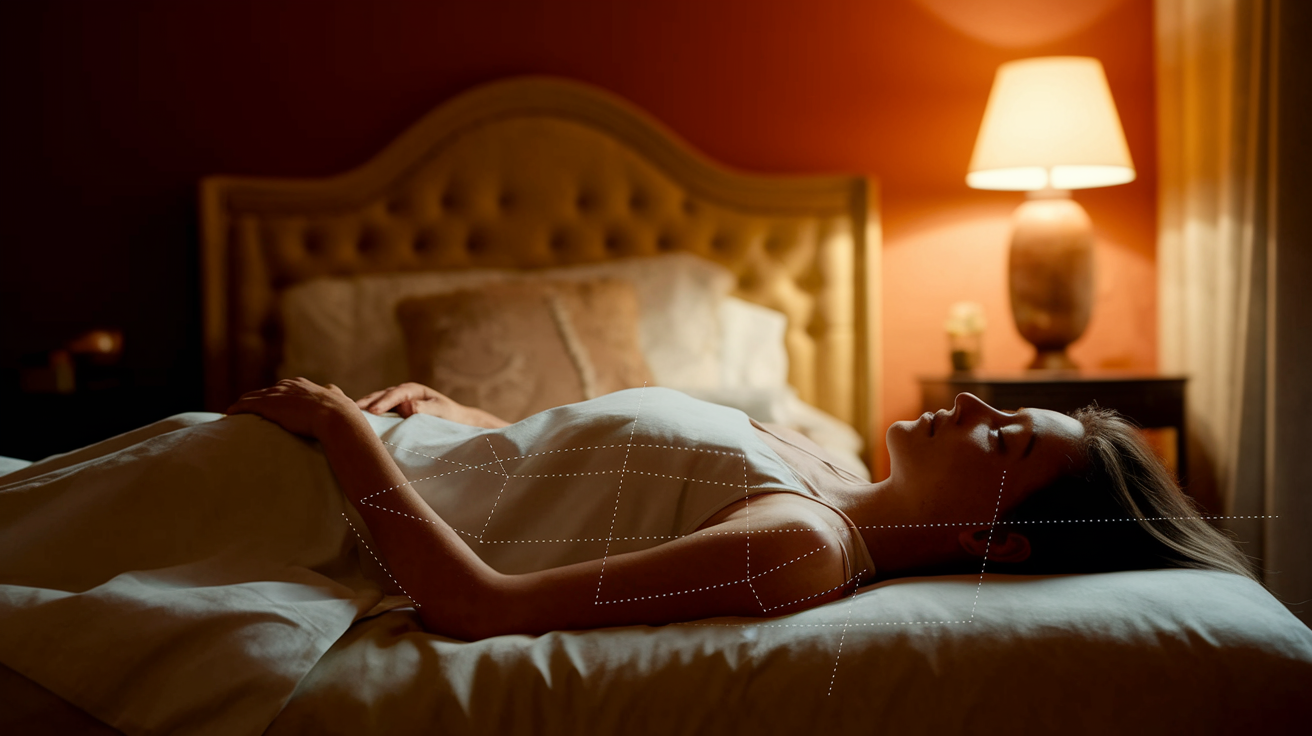
Find a comfortable place to lie down. Your bed, a yoga mat, even a soft carpet. Close your eyes and let your arms rest beside your body, palms facing up. Allow your legs to relax naturally, feet about hip width apart.
Take three deep breaths to settle in. Inhale slowly through your nose for four seconds, then exhale gently through your mouth for six seconds. Repeat twice more. Let each exhale carry away surface tension.
This script guides you through 12 muscle groups from your feet to your face. You’ll tense each area for 5 to 7 seconds, then release completely for 10 to 15 seconds while breathing out. Move slowly. There’s no rush.
-
Feet. Curl your toes downward and squeeze the soles of your feet. Hold for five seconds: 1, 2, 3, 4, 5. Now release. Let your feet go soft and heavy. Breathe out slowly and rest for ten seconds: 1, 2, 3, 4, 5, 6, 7, 8, 9, 10.
-
Calves. Point your toes toward your shins and tighten your calf muscles. Hold: 1, 2, 3, 4, 5. Release. Let the tension melt away. Exhale and rest for fifteen seconds: 1, 2, 3, 4, 5, 6, 7, 8, 9, 10, 11, 12, 13, 14, 15.
-
Thighs. Squeeze your thigh muscles by pressing your knees together or tightening the tops of your legs. Hold for six seconds: 1, 2, 3, 4, 5, 6. Let go. Feel the muscles soften. Breathe out and rest for fifteen seconds: 1, 2, 3, 4, 5, 6, 7, 8, 9, 10, 11, 12, 13, 14, 15.
-
Buttocks and hips. Clench your glutes and tighten your hips. Hold: 1, 2, 3, 4, 5. Release completely. Let your lower body sink into the surface beneath you. Rest for ten seconds: 1, 2, 3, 4, 5, 6, 7, 8, 9, 10.
-
Lower abdomen. Pull your belly button in toward your spine and tighten your lower stomach. Hold for five seconds: 1, 2, 3, 4, 5. Let it go. Allow your abdomen to rise and fall naturally with each breath. Rest for fifteen seconds: 1, 2, 3, 4, 5, 6, 7, 8, 9, 10, 11, 12, 13, 14, 15.
-
Chest. Take a deep breath in and hold it while tightening your chest muscles. Hold: 1, 2, 3, 4, 5. Exhale fully and let your chest relax. Feel the weight of your ribs settling. Rest for ten seconds: 1, 2, 3, 4, 5, 6, 7, 8, 9, 10.
-
Hands. Make tight fists with both hands. Squeeze hard for six seconds: 1, 2, 3, 4, 5, 6. Open your hands and let your fingers spread wide, then go limp. Rest for fifteen seconds: 1, 2, 3, 4, 5, 6, 7, 8, 9, 10, 11, 12, 13, 14, 15.
-
Forearms. Flex your forearms by bending your wrists back toward your body. Hold: 1, 2, 3, 4, 5. Release. Let your forearms go heavy. Rest for ten seconds: 1, 2, 3, 4, 5, 6, 7, 8, 9, 10.
-
Upper arms. Bend your elbows and tighten your biceps as if showing muscle. Hold for six seconds: 1, 2, 3, 4, 5, 6. Let go. Allow your arms to rest fully at your sides. Rest for fifteen seconds: 1, 2, 3, 4, 5, 6, 7, 8, 9, 10, 11, 12, 13, 14, 15.
-
Shoulders. Lift your shoulders up toward your ears and squeeze. Hold: 1, 2, 3, 4, 5. Drop them down and feel the release travel down your back. Rest for fifteen seconds: 1, 2, 3, 4, 5, 6, 7, 8, 9, 10, 11, 12, 13, 14, 15.
-
Neck. Gently press the back of your head into the pillow or floor and tighten the muscles along your neck. Hold for five seconds: 1, 2, 3, 4, 5. Release. Let your neck go soft and your head rest without effort. Rest for ten seconds: 1, 2, 3, 4, 5, 6, 7, 8, 9, 10.
-
Face. Scrunch your entire face. Squeeze your eyes shut, wrinkle your nose, clench your jaw. Hold: 1, 2, 3, 4, 5, 6. Let everything go. Feel your forehead smooth, your jaw loosen, your eyelids grow heavy. Rest for fifteen seconds: 1, 2, 3, 4, 5, 6, 7, 8, 9, 10, 11, 12, 13, 14, 15.
Take three more slow breaths. Notice the stillness in your body. Each muscle group you worked through is now loose, warm, ready for rest. If you’re using this script before sleep, remain still and allow your mind to drift. If you’re using it during the day, gently wiggle your fingers and toes, then open your eyes when you’re ready.
How Progressive Muscle Relaxation Enhances Sleep and Physical Recovery

Progressive muscle relaxation works by signaling your nervous system to shift from fight or flight mode into rest and repair mode. When you deliberately tense a muscle and then release it, the contrast teaches your body what deep relaxation actually feels like. Most of us carry low level tension all day without noticing it.
After a hard workout, your muscles hold residual tightness and your nervous system stays slightly activated. PMR helps dissipate lactic acid buildup and lowers resting muscle tone, which speeds recovery. At bedtime, the same process reduces the physical arousal that keeps you awake even when you’re mentally tired.
The physiological effects are measurable:
Heart rate drops. Controlled breathing and muscle release activate the parasympathetic nervous system, slowing your pulse and preparing your body for sleep.
Core temperature regulation improves. Relaxed muscles generate less metabolic heat, helping your body reach the cooler state needed for deep sleep.
Cortisol levels decrease. Tension release cycles lower stress hormone output, which is especially helpful after intense training or stressful days.
Sleep latency shortens. Most people fall asleep 10 to 20 minutes faster after consistent PMR practice compared to lying in bed without a routine.
Tips for Using the Script Before Bed
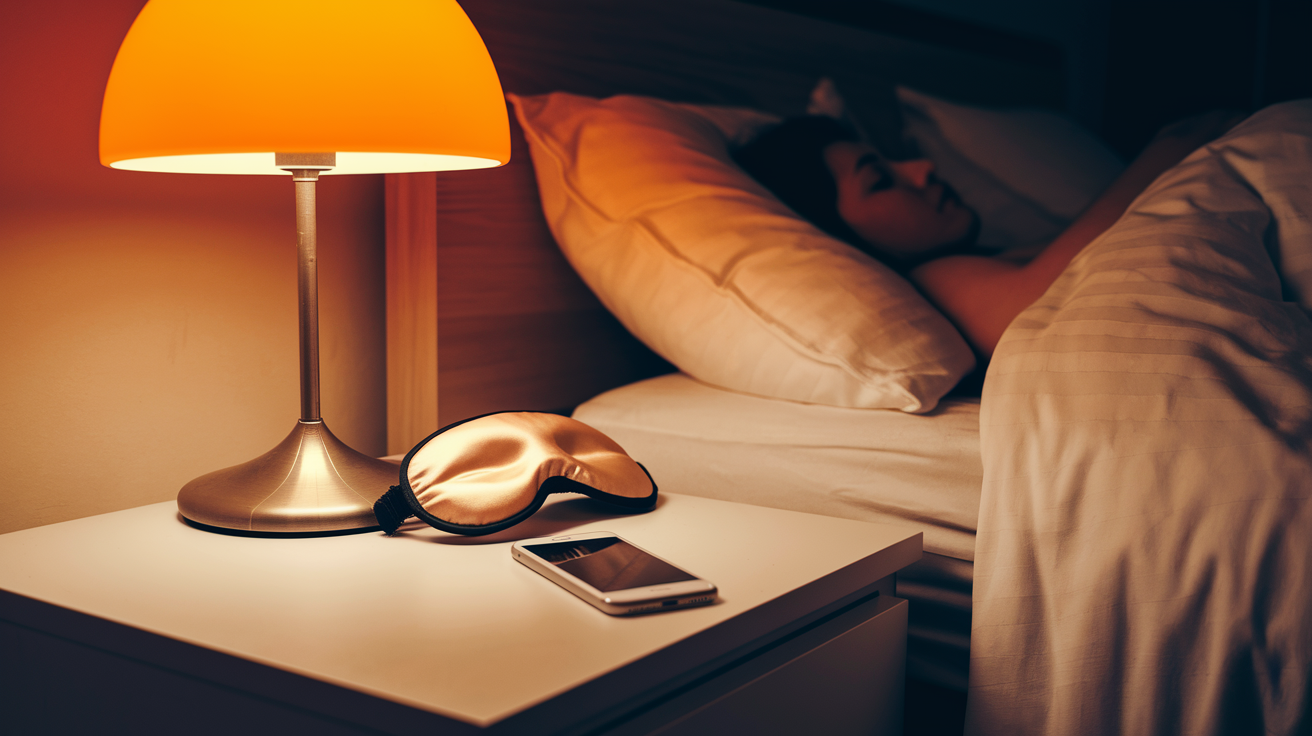
Use this script at the same time each night to build a consistent signal that tells your body sleep is coming. Consistency matters more than perfection. Even five minutes of abbreviated PMR on a busy night is better than skipping it entirely.
Dim the lights before you begin. Bright light suppresses melatonin and keeps your brain alert. If you share a bedroom, use an eye mask or turn off overhead lights and rely on a small lamp across the room. Keep your phone on silent or in another room unless you’re using it to play a recorded version of the script.
Stick to these five simple adjustments to make PMR more effective at bedtime:
Start 15 to 30 minutes before your target sleep time. This gives your body a buffer to transition from wakefulness to drowsiness.
Keep the room cool. A temperature between 60 and 67°F helps your core temperature drop, which supports deeper sleep.
Breathe at a steady 6 to 8 breaths per minute. Count silently during the rest phases to keep your rhythm slow and even.
Repeat the sequence nightly or 3 to 4 times per week. Improvement is cumulative. Most people notice measurable changes after 2 to 3 weeks of regular practice.
If your mind wanders, gently return focus to the next muscle group. This is normal. Redirecting attention is part of the practice.
How to Record Your Own PMR Audio Session

Recording your own voice lets you customize pacing, add personal cues, and avoid robotic or unfamiliar narration. You don’t need expensive equipment. A smartphone voice recorder or free software like Audacity will work fine.
Read the script aloud slowly. Pause for 4 to 6 seconds after each “rest” cue to give yourself time to actually relax the muscle group. Your tone should be calm and even, not rushed or overly soothing. Think of how you’d talk to a tired friend, not a yoga class.
-
Find a quiet room. Close windows, turn off fans, silence notifications. Background noise will pull you out of relaxation every time you listen.
-
Read the script twice before recording. Mark the spots where you want longer pauses or emphasis. This keeps your delivery smooth.
-
Record in one take if possible. Small imperfections sound more human and less clinical. If you stumble, pause and continue. You can edit later if needed.
-
Leave 4 to 6 seconds of silence after each “rest” instruction. Count silently or watch a timer. This space is where the actual relaxation happens.
-
Save the file as an MP3 at 128 kbps or higher. This keeps file size manageable while maintaining clear audio quality.
-
Test the recording before bed. Lie down and listen all the way through. Adjust pacing or re-record sections that feel too fast or too slow.
Common Mistakes to Avoid When Practicing PMR

Rushing through muscle groups is the most common error. PMR only works if you give each release phase enough time to register in your nervous system. If you’re finishing the entire script in under eight minutes, you’re moving too quickly. Slow down. The rest phases are more important than the tension phases.
Watch for these five mistakes that weaken results:
Holding your breath during tension. This creates stress instead of relaxation. Always inhale as you tense and exhale as you release.
Tensing too hard. You should feel firm contraction, not pain or shaking. Use about 60 to 70 percent of your maximum effort.
Skipping muscle groups. Each area matters. If you skip your jaw or shoulders, tension will linger there and disrupt sleep.
Practicing only when stressed. PMR is a skill that improves with repetition. Practice when you’re calm so the routine is automatic when you actually need it.
Expecting instant results. Most people notice better sleep after 5 to 10 sessions. Give it two weeks of consistent practice before deciding if it works for you.
If you catch yourself making one of these mistakes, simply notice it and adjust. The next muscle group is a fresh chance to reset your pacing and breathing. PMR is forgiving. Small corrections add up over time.
Final Words
In the action, you now have a ready-to-use PMR script that guides breath cues, 5–7 seconds of tension, 10–15 seconds of release, and step-by-step cues from feet to face.
You also learned why PMR helps sleep and recovery, simple bedtime tips, how to record your own audio, and the common mistakes to avoid.
Try the progressive muscle relaxation script for better recovery sleep tonight. Do a full run-through or a quick 5-minute version—small, steady practice brings real improvement.
FAQ
Q: What is a progressive muscle relaxation (PMR) script for sleep?
A: A progressive muscle relaxation (PMR) script for sleep is a guided sequence of tensing and releasing muscle groups with breath cues to lower tension, calm your nervous system, and prepare you for restorative sleep.
Q: How long should I tense and release each muscle?
A: You should tense muscles for 5–7 seconds and release for 10–15 seconds, holding the release long enough to notice the contrast and let your body soften into relaxation.
Q: What’s the recommended breathing rhythm during PMR?
A: The recommended breathing rhythm during PMR is slow diaphragmatic breaths: inhale about 3–4 seconds as you tense, then exhale 4–6 seconds as you release, keeping a steady, relaxed pace.
Q: What order should I follow in a PMR script?
A: The order in a PMR script typically moves from feet to face: feet, calves, thighs, hips, belly, chest, hands, arms, shoulders, neck, jaw, face—so you finish calm and ready for sleep.
Q: How often and when should I do PMR for best results?
A: You should do PMR nightly or at least 3–4 times a week, ideally 20–30 minutes before bed in dim light to build the habit and cue your body for sleep.
Q: How does PMR improve sleep and recovery?
A: PMR improves sleep and recovery by activating the parasympathetic response, lowering heart rate, reducing muscle tone, and helping the body shift into restorative repair during sleep.
Q: What’s a minimum effective PMR for busy nights?
A: A minimum effective PMR for busy nights is 5–10 minutes: choose four big muscle groups (calves, thighs, shoulders, face), do one 5–7 second tension and a 10–15 second release each, with slow breaths.
Q: How do I record my own PMR audio?
A: To record your own PMR audio, speak slowly in a soft tone, use 4–6 second pauses, guide tension and release times, record in a quiet room, and keep the total length to match your sleep routine.
Q: What common mistakes should I avoid when practicing PMR?
A: Common mistakes to avoid in PMR are rushing through groups, holding your breath, creating excessive tension, practicing in bright or noisy spaces, and inconsistent timing that breaks the habit.
Q: Can I do PMR with an injury or soreness?
A: You can do PMR with injury by reducing or skipping tension on painful areas, focusing on gentle breathing and nearby muscle groups, and checking with a clinician if you’re unsure.
Q: How long until I notice benefits from PMR?
A: You’ll often notice immediate relaxation in a single session, while consistent practice for 1–4 weeks usually improves sleep quality and post-exercise recovery for most people.