

What if your training plan is quietly wrecking your sleep—and your progress?
Most people schedule workouts first, then cram sleep around them.
That makes the one thing that drives repair—sleep—into a negotiable item.
This post shows simple rules you can use tonight: protect 7 to 9 hours, space hard sessions 48 to 72 hours apart, finish intense workouts 2 to 3 hours before bed, and slot light recovery sessions on the in-between days.
Do that and you’ll recover faster, cut soreness, and keep steady progress.
Core Scheduling Principles for Workouts and Sleep

Recovery happens when your training plan and your sleep routine actually line up. Most adults need 7 to 9 hours of sleep each night to support muscle repair, hormone production, and immune function. Deep sleep acts as a metabolic reset, releasing growth hormone that rebuilds tissue damaged during training. If you know you’re facing a few short-sleep nights, “sleep banking” works better than trying to catch up later. Add an extra hour or two in the days beforehand.
Workout intensity determines how much recovery time you need before the next hard session. High-intensity resistance training or interval work taxes muscles and the nervous system. You’ll typically need 48 to 72 hours before you hit the same muscle groups again. Light sessions like an easy walk, mobility flow, or low-resistance cycling may only need about 24 hours of recovery. Plan rest and sleep first, then fill in workouts around that foundation. This ensures you don’t accidentally stack heavy sessions too close together or cut sleep short on nights when your body needs it most.
Your body’s internal clock regulates when you feel alert, when hormones peak, and when deep sleep is most likely. Aligning your training schedule with consistent wake and sleep times helps optimize both performance and repair. Here are five scheduling rules that protect recovery:
- Space high-intensity sessions at least 48 hours apart when targeting the same muscle groups
- Set a consistent bedtime and wake time every day, including weekends
- Finish vigorous workouts at least 2 to 3 hours before your target sleep time
- Schedule lighter sessions or active recovery on days between hard training blocks
- Track your sleep duration and workout load in a simple journal or app to spot patterns
Planning sleep first means you protect the non-negotiable recovery window each night. Once you know your bedtime and wake time are locked in, you can schedule workouts at times that won’t compromise those hours. This maximizes the repair benefits of sleep and reduces the risk of overtraining or lingering soreness.
Understanding Recovery Physiology to Improve Workout and Sleep Scheduling

Sleep moves through repeating cycles of light, deep, and REM stages roughly every 90 minutes. Deep sleep is when growth hormone and insulin-like growth factor-1 (IGF-1) reach their highest levels. These hormones drive muscle protein synthesis, repairing the microtears created by resistance training and rebuilding tissue stronger than before. If you regularly cut sleep short, you lose chunks of deep sleep at the tail end of the night. That limits the repair window your muscles depend on.
Your circadian rhythm governs the timing of hormone release, body temperature, and cellular repair processes. Cortisol naturally dips in the evening while melatonin rises, signaling your body to shift into recovery mode. Training late or eating large meals close to bedtime can delay or disrupt these hormonal transitions, pushing back the onset of deep sleep and shortening the total time spent in restorative stages. Delayed onset muscle soreness (DOMS) typically resolves within a few days if recovery is adequate. But soreness that drags on for 3 to 4 weeks usually signals that training volume or intensity exceeded your body’s ability to repair between sessions.
Aligning your sleep and workout schedule with your natural circadian pattern supports higher-quality sleep architecture. More time in deep and REM stages, less time awake during the night. REM sleep consolidates motor learning and supports cognitive recovery, while deep sleep focuses on physical tissue repair and immune system maintenance. Here’s what happens overnight when recovery is working well:
- Growth hormone surges during the first deep-sleep cycles, stimulating muscle and bone repair
- Muscle protein synthesis peaks when amino acids from evening nutrition combine with hormone release
- Immune cells patrol and clear metabolic waste, reducing inflammation from training stress
- Memory consolidation stores movement patterns and skills practiced during the day
Structuring Workout Timing for Better Overnight Recovery

Morning workouts give your body the entire day and night to begin repair. Finish by mid-morning. Core body temperature and cortisol are naturally elevated in the early hours, which can support strength and power output. Completing a session early also means you’re less likely to skip it due to afternoon fatigue or schedule conflicts. If you train in the morning, aim to keep a consistent wake time so your circadian rhythm stays stable. Plan a solid post-workout meal within 90 minutes to kickstart recovery before the workday pulls your attention elsewhere.
Evening workouts can work well if you finish at least 2 to 3 hours before your target bedtime. Vigorous training raises core temperature and activates the sympathetic nervous system, both of which can delay sleep onset if you climb into bed too soon afterward. Body temperature needs time to drop. Your nervous system needs a chance to downshift. For example, if you plan to sleep by 10 PM, wrapping up an intense strength session by 7 PM leaves a buffer for a cooldown, shower, light meal, and a wind-down routine.
Resistance training timing depends on how hard you’re pushing. Heavy compound lifts generate significant muscle damage and central nervous system fatigue, so scheduling those sessions earlier in the week or earlier in the day often works better. You can follow a hard lifting day with lighter cardio or mobility work the next day, keeping total weekly volume balanced without stacking stress. If you prefer evening strength work, keep the session focused and avoid adding extra high-intensity intervals or accessories that extend your time under tension.
Cardio timing affects sleep differently depending on intensity. Steady-state aerobic work can actually help with sleep quality if done in the afternoon or early evening. 30 to 60 minutes at a conversational pace reduces stress hormones and promotes a natural post-exercise fatigue. High-intensity interval sessions spike adrenaline and heart rate more dramatically, so treat them like heavy strength work and allow a longer buffer before bed. If your only training window is late evening, prioritize moderate efforts and save maximal sessions for mornings or midday when possible.
Sleep Hygiene and Pre-Sleep Routines That Enhance Post-Workout Recovery

Sleep hygiene describes the daily habits and environmental conditions that make it easier to fall asleep, stay asleep, and reach deeper sleep stages. Even when training is well-timed, poor sleep hygiene can undercut recovery by fragmenting sleep or reducing the proportion of time spent in slow-wave and REM stages. Consistency matters more than perfection. Going to bed and waking up at roughly the same times every day helps regulate your circadian rhythm and makes it easier to accumulate the 7 to 9 hours most adults need. Including weekends.
A structured wind-down routine in the 60 to 90 minutes before bed signals your body that it’s time to shift into recovery mode. This buffer is especially helpful after evening workouts, when your heart rate and core temperature may still be elevated. Simple pre-sleep practices that support recovery include:
- Dim overhead lights and switch to lamps or low-wattage bulbs in the final hour before bed
- Set a smartphone or screen curfew 30 to 60 minutes before your target sleep time to reduce blue light exposure
- Keep your bedroom temperature between 60 and 67°F, which supports the natural drop in core temperature needed for deep sleep
- Use a brief stretching or breathing routine to downregulate your nervous system after training. 5 to 10 minutes.
- Avoid large, spicy, or fatty meals within 2 to 3 hours of bedtime if they tend to cause indigestion or disrupt your sleep
- Consider a small protein-containing snack if you’re genuinely hungry, to provide amino acids during the overnight repair window. Greek yogurt or cottage cheese works.
When you train late in the evening, you may need to compress your wind-down window slightly. But don’t skip it entirely. A quick cool shower, a light snack, and 15 minutes of low-stimulation activity can still help your body transition. Reading, gentle music. If you regularly train at night, track how long it takes you to fall asleep and how rested you feel the next morning. If you notice it takes more than 20 to 30 minutes to drift off or you wake frequently, consider shifting your hardest sessions earlier in the day or reducing intensity in the final 15 minutes of evening workouts.
Nutrition and Hydration Timing to Support Sleep and Workout Scheduling

What you eat and drink, and when, directly affects how well you recover and how easily you fall asleep. After a workout, aim to consume a combination of carbohydrates and protein within 90 minutes. Target a ratio of about 3 parts carbohydrate to 1 part protein. This pairing restocks muscle glycogen and provides the amino acids needed for repair. Quick examples include chocolate milk, a turkey sandwich, fruit with a handful of nuts, or a protein bar with at least 15 grams of protein.
Pre-sleep nutrition matters too. If you’re genuinely hungry an hour or two before bed, a small protein-rich snack can supply amino acids during the overnight growth hormone surge. Greek yogurt, cottage cheese, or a simple smoothie work well and typically won’t disrupt sleep if portions stay modest. Avoid very large, fatty, or spicy meals late in the evening if they tend to cause indigestion or keep you awake. Think cheeseburger and fries. Light hunger is fine. Persistent hunger can interfere with sleep quality and may signal you’re not eating enough during the day to support your training load.
Hydration timing follows a similar logic. Drink up to 30 fluid ounces of water in the 2 to 4 hours before a workout. Adjust downward if you weigh less than 150 pounds. Then replenish with 16 to 20 fluid ounces after you finish. Your daily fluid target is roughly half your body weight in fluid ounces. For example, a 160-pound person would aim for about 80 fluid ounces across the full day. Front-load most of your water intake earlier in the day and taper off an hour or two before bed to reduce the chance of waking up for bathroom trips during prime deep-sleep windows.
| Timing | What to Eat or Drink | Why It Helps |
|---|---|---|
| Within 90 min post-workout | Carb + protein (3:1 ratio); examples: milk, sandwich, fruit + nuts | Restocks glycogen, provides amino acids for muscle repair, reduces soreness |
| 1–2 hours before bed | Small protein snack (Greek yogurt, cottage cheese, or smoothie) | Supplies amino acids during overnight GH/IGF-1 surge, supports muscle synthesis |
| 2–4 hours pre-workout | Up to 30 fl oz water (adjust for body weight) | Prevents dehydration, maintains performance, supports thermoregulation |
| Immediately post-workout | 16–20 fl oz water or electrolyte drink | Replaces sweat loss, restores fluid balance, aids nutrient transport |
Planning Rest Days, Active Recovery, and Training Intensity Cycles

Rest days are not wasted days. They’re when adaptation happens. Plan at least one full rest day or active recovery day for every 7 to 10 days of training. A full rest day means little to no structured exercise, focusing instead on sleep, nutrition, and low-stress activity like walking or light stretching. Active recovery involves 20 to 30 minutes of gentle movement that promotes circulation without adding training stress. Easy cycling, a casual walk, or restorative yoga. “Motion is lotion” captures the idea that light movement can reduce stiffness and perceived soreness better than sitting still all day.
Training intensity should vary across the week to prevent cumulative fatigue. If you schedule a high-intensity strength session on Monday, avoid another max-effort lower-body workout on Tuesday. Instead, insert a moderate cardio session, upper-body work, or active recovery on Tuesday. Then return to heavy lower-body training on Thursday, giving your muscles the 48 to 72 hours they need. This distributes stress and protects the quality of each hard session, which leads to better long-term progress than grinding through high intensity every day.
Most people don’t need prolonged “rest weeks” unless medically advised or recovering from injury. Instead, use microcycles. Short 1- to 2-week blocks where you alternate harder and lighter weeks. For example, train at higher volume or intensity for 2 to 3 weeks, then reduce volume by about 20 to 30 percent for one week while maintaining intensity. This lighter week allows your body to catch up on repair without losing the training stimulus. Here are five evidence-backed rest and recovery rules:
- Schedule at least 48 hours between high-intensity sessions targeting the same muscle groups
- Include 1 to 2 full rest or active recovery days per 7-day training cycle
- Prioritize 7 to 9 hours of sleep on the nights following your hardest training sessions
- Use active recovery instead of complete inactivity on rest days. 20 to 30 minutes of light movement.
- Track performance metrics to identify when fatigue is accumulating and adjust volume accordingly. Reps completed, weights used, perceived exertion.
Nap Timing and Daytime Fatigue Management for Better Recovery

Short naps can boost alertness and mood without causing sleep inertia. About 20 to 30 minutes. The groggy feeling that comes from waking out of deep sleep. If you’re managing a demanding training schedule or dealing with a temporary sleep deficit, a brief midday nap can help bridge the gap. Aim to nap before 3 or 4 PM to avoid interfering with your nighttime sleep drive. For example, a 20-minute nap at 1 PM after a morning workout can restore focus and energy for an afternoon work session or a second lighter training block later in the day.
Full-cycle naps of about 90 minutes allow you to move through a complete sleep cycle, including REM and deeper stages. These longer naps can support recovery after especially hard training sessions or when you know you’ll be up late that night. But they require more time and a quiet, dark environment. If you choose a 90-minute nap, schedule it earlier in the day so it doesn’t push your bedtime later or reduce your total overnight sleep. Ideally finishing by early afternoon.
Daytime fatigue is often a sign that nighttime sleep isn’t sufficient or that training volume is exceeding your recovery capacity. Before adding naps, check whether you’re consistently getting 7 to 9 hours at night and whether your sleep quality is good. Falling asleep within 20 to 30 minutes, waking no more than once or twice. If fatigue persists despite adequate nighttime rest, consider reducing training intensity or volume for a few days. Nap guidelines for active individuals:
- Keep naps to 20 to 30 minutes if your goal is alertness without grogginess
- Schedule naps before 3 to 4 PM to protect nighttime sleep drive
- Use a full 90-minute nap only when you have the time and a specific recovery need, such as a very hard training block or anticipated late night
- Avoid regular long naps as a substitute for fixing chronic short nighttime sleep
Recognizing Signs of Poor Recovery and Adjusting Your Workout/Sleep Schedule

Your body provides clear signals when recovery isn’t keeping pace with training demand. Persistent fatigue often appears first. Feeling drained even after a rest day. Followed by declining performance on lifts or intervals you could handle easily a week or two earlier. Mood changes, such as irritability or low motivation, and trouble falling or staying asleep are also common red flags. If you notice these symptoms for more than a few days in a row, it’s time to adjust your schedule rather than push through.
Objective metrics can confirm what you’re feeling subjectively. Resting heart rate, measured first thing in the morning before getting out of bed, typically stays within a narrow range when you’re well-recovered. An increase of 5 to 10 beats per minute above your baseline for several consecutive days can indicate accumulated fatigue or overtraining. Wearable fitness trackers can monitor sleep patterns and flag nights when sleep quality drops. Total hours, time in deep and REM stages, number of wake-ups. Tracking these numbers in a simple journal or app helps you spot trends before they turn into injuries or burnout.
Muscle soreness lasting 3 to 4 weeks is a strong indicator that training volume or intensity exceeded your body’s repair capacity. Typical delayed onset muscle soreness should resolve in a few days. If soreness lingers or worsens, reduce your training volume by about 30 to 40 percent and prioritize sleep, hydration, and nutrition for at least one full week. Watch for these measurable signs of inadequate recovery:
- Resting heart rate elevated by 5 to 10 bpm above your normal baseline for 3 or more consecutive mornings
- Sleep duration consistently falling below 7 hours per night, or frequent night awakenings
- Performance decline across multiple sessions. Fewer reps at the same weight, slower run times, or increased perceived effort.
- Chronic muscle soreness or stiffness that doesn’t improve with rest days or active recovery
- Frequent minor illnesses, such as colds or sore throats, suggesting reduced immune function
Sample Daily and Weekly Schedules for Optimal Recovery
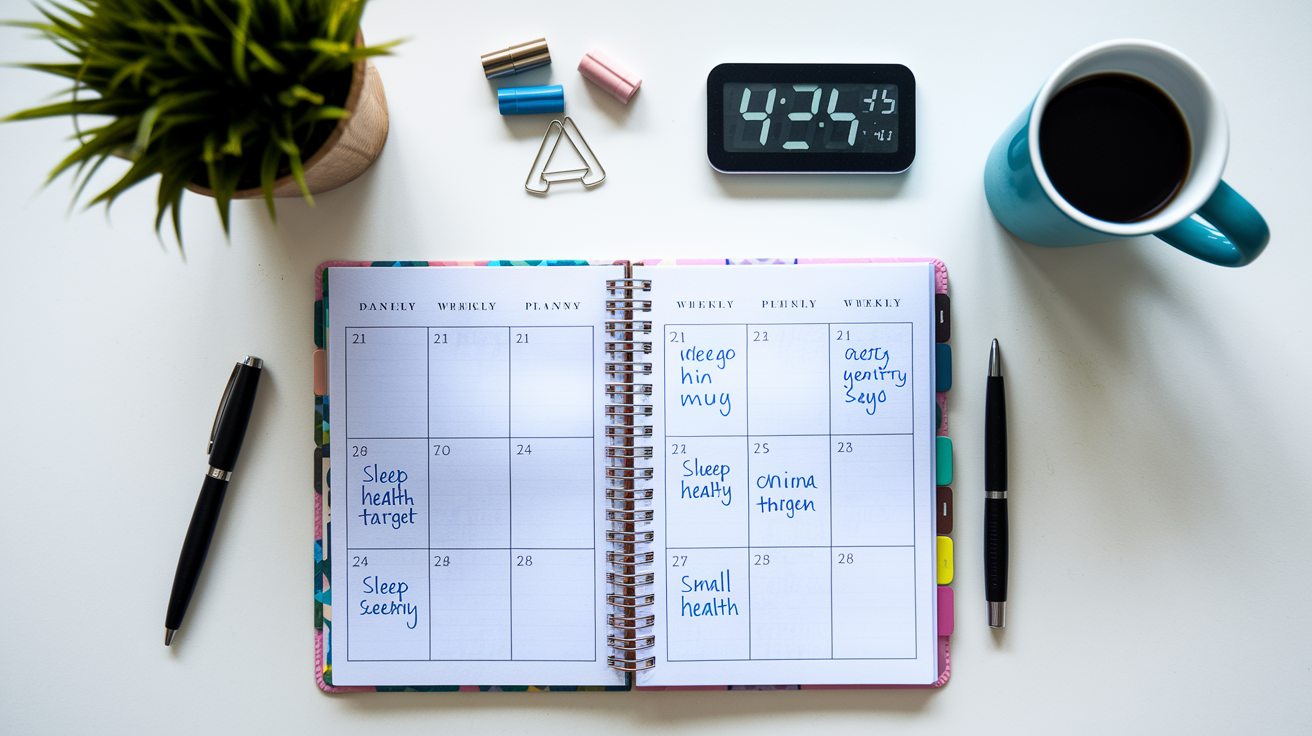
A structured weekly template helps you balance training stress and recovery without overthinking each day’s plan. The goal is to distribute high-intensity work, moderate sessions, and rest or active recovery in a pattern that protects sleep and allows muscles time to rebuild. Most intermediate-level schedules include about 3 strength sessions, 2 cardio or conditioning sessions, and 2 rest or active recovery days per week. You can adjust the total number of sessions based on your goals. But the underlying principle remains the same. Spacing hard efforts and prioritizing consistent sleep.
Daily timing matters as much as weekly structure. If you train in the morning, a 6 to 8 AM workout pairs well with a consistent bedtime around 10 PM. This gives you 7 to 9 hours of sleep and a full day to refuel and recover before the next session. Evening training schedules should aim to finish vigorous work by 7 or 8 PM, leaving time for a light meal, wind-down routine, and sleep by 10 or 11 PM. Below is a sample 7-day schedule with training type and sleep targets for each day.
| Day | Training | Sleep Target |
|---|---|---|
| Monday | High-intensity strength (60–90 min, lower body focus) | 7–9 hours; prioritize early bedtime after post-workout meal |
| Tuesday | Low-intensity aerobic or mobility (30–60 min) | 7–9 hours; consistent bedtime |
| Wednesday | High-intensity intervals or heavy upper-body lifting (60–75 min) | 7–9 hours; include small protein snack before bed if hungry |
| Thursday | Active recovery: easy walk, yoga, or light cycling (20–30 min); optional 20–30 min nap if fatigued | 7–9 hours; emphasize sleep quality on recovery day |
| Friday | Moderate strength or mixed conditioning (45–60 min); finish by 7 PM if training evening | 7–9 hours; avoid late heavy meals |
| Saturday | Long endurance session or sport-specific practice (60–90 min); refuel within 90 min | 7–9 hours; may extend to 9+ if possible to enhance recovery |
| Sunday | Full rest or gentle recovery movement (light walk or stretching, 15–20 min) | 7–9 hours; reset sleep schedule for upcoming week |
Your chronotype affects how well you adapt to different training times. Whether you’re naturally a morning person or evening person. If you’re a morning type, early workouts will feel easier and you’ll likely fall asleep without trouble by 10 PM. If you’re an evening type, forcing a 6 AM training session can backfire if it cuts into your sleep window or leaves you dragging all day. Adjust the sample schedule by shifting workout times to match your natural energy peaks and protecting your sleep window first. For example, an evening-type person might train at 5 or 6 PM, eat by 7:30 PM, and sleep by 11 PM or midnight, still hitting 7 to 8 hours before a later wake time. The key is consistency. Training and sleeping at roughly the same times each day so your circadian rhythm stays aligned and recovery becomes predictable.
Final Words
in the action: we laid out core scheduling rules, the sleep science that matters, workout timing options, pre-sleep routines, nutrition timing, rest-day planning, naps, and sample daily/weekly templates to make this usable.
Do this next: pick a consistent bedtime, block your workouts around that sleep window, and try the 48-hour rule for hard sessions. If evenings are busy, move workouts earlier or shorten them.
For a quick win, follow how to schedule workouts and sleep for optimal recovery by planning sleep first, then workouts. You’ll feel clearer and recover faster.
FAQ
Q: What are the 3-3-3 and 2-2-2 rules at the gym?
A: The 3-3-3 and 2-2-2 rules at the gym are simple set-rep templates: 3-3-3 is three sets of three heavy reps for strength; 2-2-2 is two sets of two reps for very heavy work or technique focus.
Q: What is the 10-5-3-2-1 rule for sleep?
A: The 10-5-3-2-1 rule for sleep is a stepwise wind-down: stop caffeine ~10 hours before bed, avoid alcohol 5 hours before, finish big meals 3 hours, stop intense work 2 hours, stop screens 1 hour.
Q: What are the 4 R’s of recovery?
A: The 4 R’s of recovery are Rest (sleep and off-days), Rehydrate (fluids), Refuel (protein and carbs for repair), and Rebuild (light movement, mobility, or therapy) to restore performance and reduce soreness.