

Could your afternoon coffee be stealing your recovery?
If you want faster repair, better workouts, and clearer mornings, timing matters more than you think.
Most people should stop caffeine 6 to 10 hours before bedtime — aim for 8 hours as a solid rule for recovery.
Caffeine blocks the brain’s sleep signals, cuts deep sleep, and can shave off an hour or more of total rest.
But everyone processes it differently, so this post shows how to test your cutoff and the simple swaps you can try tonight.
Optimal Caffeine Cutoff Time for Recovery
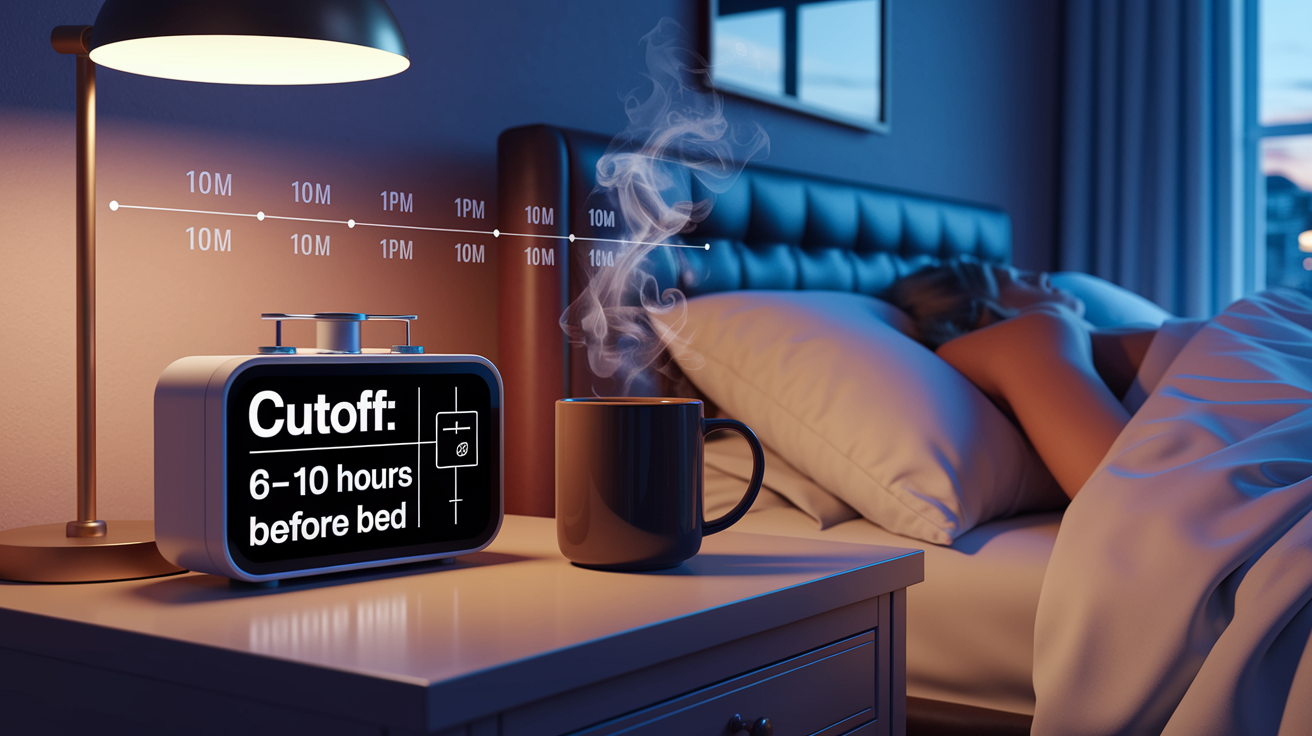
The most reliable cutoff is 6 to 10 hours before bed. If you’re planning to sleep at 10:00 PM, that puts your last caffeine somewhere between noon and 4:00 PM, depending on how your body handles it and what you’re training for. Six hours is the bare minimum for most people. But if you’re serious about recovery, slow to process caffeine, or just want better sleep, push it to 8 or 10 hours. This window gives your system enough time to clear most of the stimulant before you need to rest.
Stopping within this range protects sleep quality, which is where recovery actually happens. Caffeine still hanging around at bedtime blocks the signals that make you sleepy, delays when you actually fall asleep, and cuts into the deeper stages where your body does its repair work. That’s when muscle tissue gets fixed, memories get locked in, hormones get balanced. You might not feel it, but the data shows late caffeine can cost you an hour or more of total sleep and mess with both slow-wave and REM.
Not everyone processes it the same way. Age, genetics, how much you normally drink, stress, even your cycle if you’re a woman… all of that changes how fast caffeine leaves your system. If you’re still awake at the 6-hour mark, try 8 or 10. Track your sleep for a week or two after the change and see if it helps.
How Caffeine’s Half-Life Impacts Sleep and Recovery

Caffeine’s got a half-life of about 5 to 6 hours in most adults. So if you down 200 mg at 2:00 PM, you’ll still have roughly 100 mg floating around at 8:00 PM. After 10 to 12 hours, there’s maybe 25 to 30 mg left. That’s not much, but for some people it’s enough to cause problems. The longer it stays active, the more chances it has to interfere with how you move through sleep stages.
Caffeine blocks adenosine receptors in your brain. Adenosine builds up all day and tells your body it’s time to wind down. When caffeine takes those receptor spots, the sleepiness signal gets muted. You feel alert. Once it wears off, adenosine floods back in, sometimes all at once, and you crash. But the disruption goes beyond just feeling awake. It changes the actual structure of your sleep in ways you can measure.
Here’s what caffeine does to recovery:
- Blocks adenosine receptors so you don’t feel tired when you should.
- Delays sleep onset which means less total time asleep.
- Cuts total sleep time by an hour or more if you consume it 6 hours before bed.
- Reduces slow-wave sleep, the deepest stage where physical repair and growth hormone release happen.
- Reduces REM sleep, which handles memory, emotion regulation, and mental recovery.
Effects of Caffeine on Recovery Quality

Sleep is where recovery lives. And when caffeine messes with your sleep, it directly undermines physical repair. Slow-wave sleep is when your body releases most of its growth hormone. That’s what drives muscle protein synthesis, tissue repair, bone strengthening. Cut into slow-wave sleep and you miss that repair window. For athletes or anyone training regularly, that adds up. Slower progress. Higher injury risk. Longer recovery between hard sessions.
REM sleep handles cognitive recovery, memory formation, emotional stability. Your brain processes the day, consolidates new skills, regulates mood. When caffeine disrupts REM, you wake up foggy, less sharp, emotionally off even if you technically got enough hours. One study found that 400 mg consumed 6 hours before bed reduced total sleep by more than an hour and significantly fragmented both slow-wave and REM stages. Even moderate doses in the afternoon can do this, especially if you’re sensitive or drink it regularly.
Beyond sleep stages, caffeine can also tank your heart rate variability the next day. HRV is a marker of nervous system balance and recovery readiness. Lower HRV means your body’s still stressed and not fully recovered. Late caffeine keeps your sympathetic nervous system fired up longer, blocking the natural shift to parasympathetic mode that should happen during sleep. This shows up as elevated resting heart rate, lower readiness scores on your wearable, and just not feeling rested despite being in bed long enough.
Individual Differences in Caffeine Sensitivity
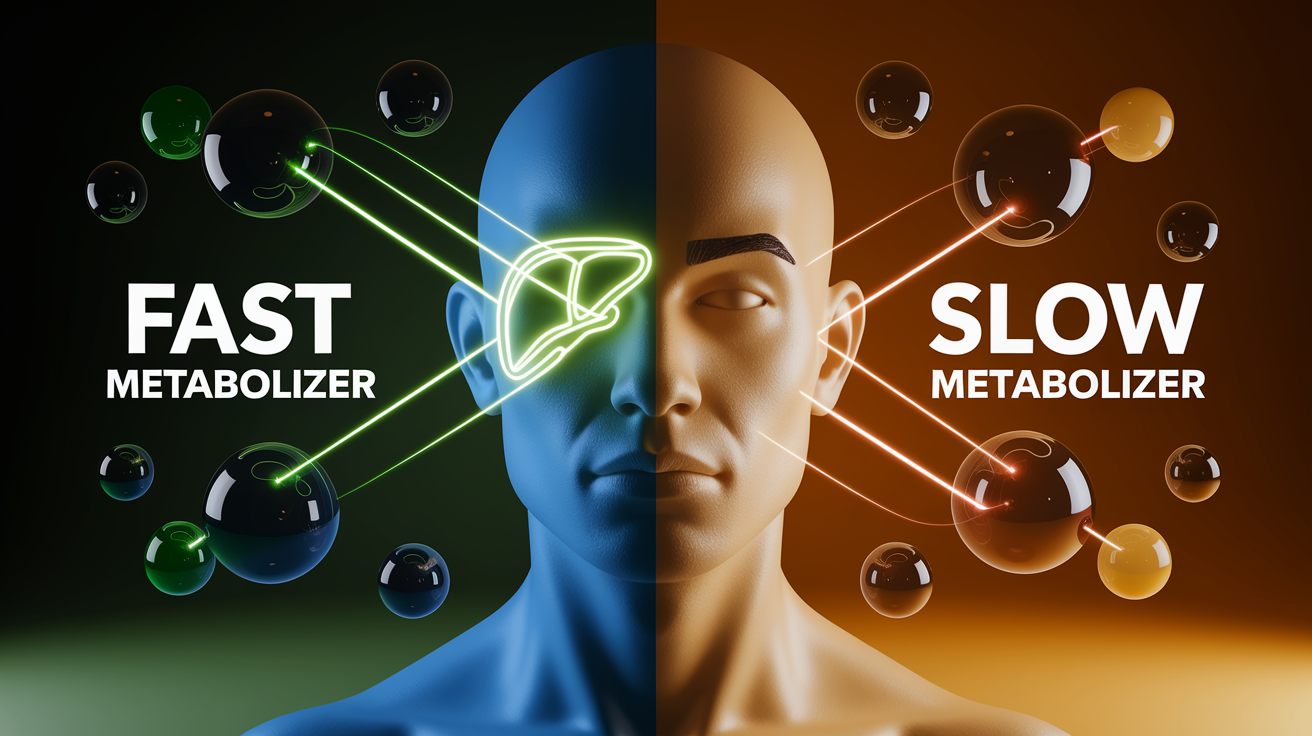
Not everyone clears caffeine at the same speed. Genetic variation in the CYP1A2 enzyme, which breaks down caffeine in the liver, creates a huge range. Slow metabolizers can take twice as long compared to fast metabolizers. That 2:00 PM dose might still be active at bedtime for one person and gone for another. If even early afternoon caffeine wrecks your sleep, you’re probably a slow metabolizer. Pregnancy also slows clearance dramatically, sometimes extending the half-life to 10 hours or more.
Age and habitual use matter too. Older adults metabolize caffeine more slowly and already deal with more fragmented sleep, making them more vulnerable. Chronic users develop some tolerance through upregulation of adenosine receptors, but it’s incomplete. Even daily coffee drinkers still get sleep disruption from late-day caffeine, they just might not notice it consciously.
Other factors that influence sensitivity:
- Hormonal fluctuations like the luteal phase or oral contraceptives slow metabolism.
- Anxiety and baseline sleep quality make you more sensitive to caffeine’s effects.
- Smoking speeds up clearance by inducing CYP1A2.
- Medications and liver function can slow breakdown and extend impact.
Practical Strategies for Reducing Caffeine’s Impact on Sleep
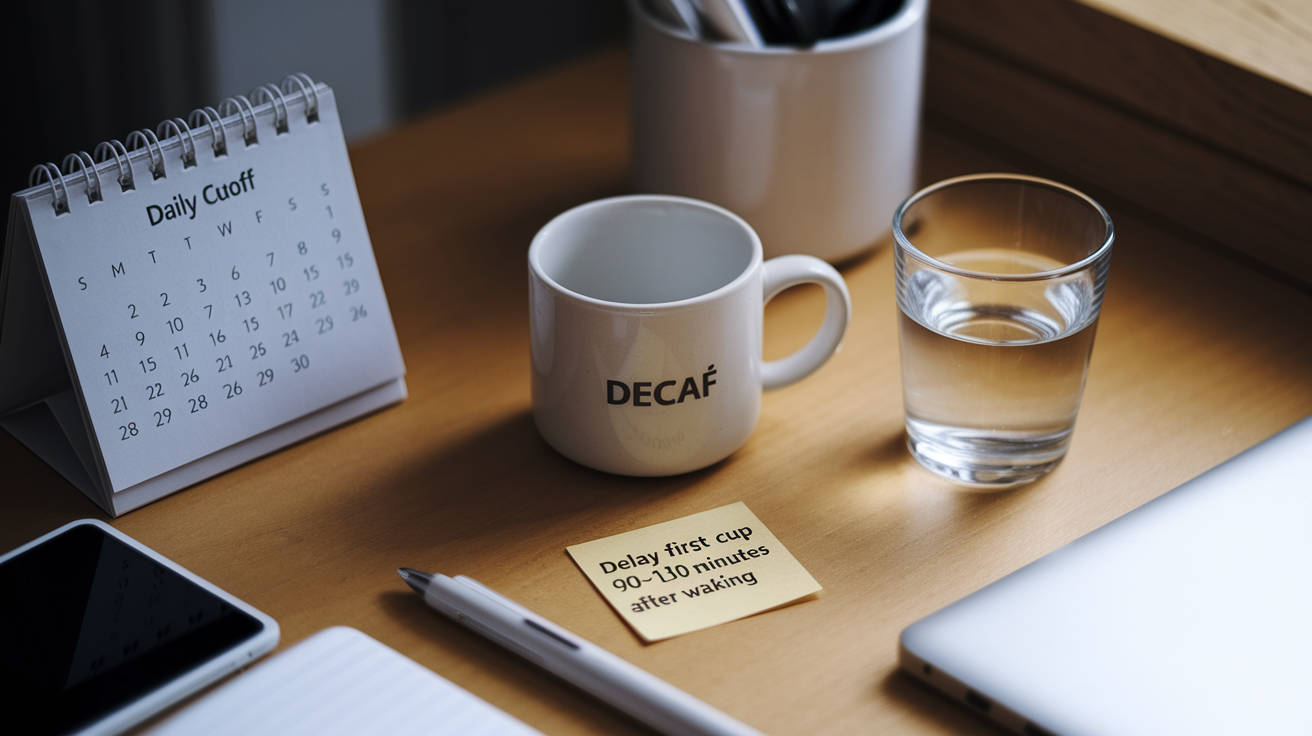
Easiest way to protect sleep is to set a cutoff and stick to it. For most people, stopping between 2:00 and 4:00 PM for a 10:00 PM bedtime works. Put it on your calendar or set a phone reminder if you need the nudge. Once it’s a habit, it becomes automatic. If sleep issues persist, push the cutoff earlier by an hour and check again after a week.
Switching to lower-caffeine or caffeine-free options in the afternoon makes the transition easier. Decaf still has 2 to 5 mg per cup, which is basically nothing. Herbal teas, hot water with lemon, plain water. Green tea’s got 20 to 45 mg per cup, lower than coffee but it adds up if you’re drinking multiple servings late. If you need an afternoon boost, try a short walk, cold water on your face, or 10 minutes outside. These give you a similar alertness bump without the sleep cost.
Practical moves to reduce caffeine’s impact:
- Set a daily cutoff based on your bedtime and don’t budge.
- Delay your first cup 90 to 120 minutes after waking to match natural cortisol rhythms and lower total daily intake.
- Switch to decaf, herbal tea, or water after your cutoff.
- Use microdoses of 20 to 40 mg later in the day if you need a small lift without wrecking sleep.
- Taper gradually if you currently drink caffeine late. Cut back by one hour per week to dodge withdrawal headaches.
- Track your sleep for 1 to 2 weeks with a journal or wearable to see how timing changes affect sleep latency, total sleep, and HRV.
Guidance for Athletes and High-Performance Individuals

Athletes often use caffeine before training or competition for better focus, power, endurance. The performance benefits are real, but late-day training creates a conflict between optimal timing for performance and optimal timing for sleep. If your session starts at 5:00 PM and you take a pre-workout with 200 mg of caffeine, that dose is still active well into the night. Over time, this chips away at sleep quality and slows recovery, even if your training stimulus is strong.
For athletes prioritizing recovery, schedule caffeine around training times instead of using it all day. If you train in the morning or early afternoon, pre-session caffeine fits easily within the 6 to 10 hour window. If you train late, lower the dose, switch to green tea, or skip the pre-workout stimulant on days when recovery matters most. Some athletes also do a caffeine reset, 7 to 10 days without any, before key competition blocks to restore sensitivity and allow strategic use without tolerance blunting the effect.
Monitoring sleep metrics helps you find the right balance. Track sleep latency, total sleep time, time in slow-wave and REM stages, morning HRV. If those markers drop on nights following late caffeine, adjust your cutoff earlier or lower your dose. Many wearables provide these measurements automatically, making it easy to spot patterns over a few weeks.
Athlete-specific recommendations:
- Avoid caffeine 8 to 10 hours before bed on heavy training days or the night before important recovery sleep.
- Use lower doses (50 to 100 mg) if training happens late and you still want a performance benefit without major sleep disruption.
- Plan a 7 to 10 day caffeine reset during low-intensity training blocks to reduce tolerance and restore sleep quality before competition phases.
Final Words
Stop caffeine 6–10 hours before bed to protect sleep and recovery. That range fits caffeine’s 5–6 hour half-life, so enough can stick around to cut deep and REM sleep.
Individual factors—age, genes, stress, and daily habits—shift the ideal timing. Try earlier intake, smaller doses, or caffeine‑free swaps when you need better recovery.
If you’re asking how long before bed should I stop caffeine for recovery, start with 6–10 hours and tweak over a week. Small tests often unlock better sleep and faster recovery.
FAQ
Q: Can I drink coffee with Hashimoto’s?
A: Drinking coffee with Hashimoto’s is generally okay, but avoid taking it within an hour of thyroid medication, and tell your clinician if coffee seems to change symptoms or gut tolerance.
Q: What is the 3:2:1 rule before bed?
A: The 3:2:1 rule before bed commonly means 3 hours since caffeine, 2 hours since heavy meals or alcohol, and 1 hour screen-free to help you fall asleep and improve sleep quality.
Q: Does caffeine mess up Lexapro?
A: Caffeine can worsen side effects for people taking Lexapro by increasing jitteriness, anxiety, or insomnia, though it usually doesn’t change drug levels—check with your prescriber if you notice problems.
Q: Is coffee bad for cortisol?
A: Coffee can raise cortisol short-term, especially with stress or morning intake; effects vary, so skip late-day coffee if you have high stress or sleep issues to protect recovery.