

What if the secret to faster gains isn’t more training but better sleep?
Athletes often need nine to ten hours, more than the usual 7–9 most people hear.
When you sleep deeply, growth hormone peaks, muscles repair, and you adapt to training.
This post gives a simple, repeatable sleep hygiene checklist that removes the guesswork.
You’ll get clear steps for bedroom setup, wind-down timing, caffeine and meal timing, training placement, and nap strategy.
Use the minimum effective version on busy days, and watch recovery compound into stronger workouts over weeks.
Complete Sleep Hygiene Checklist for Peak Athlete Recovery
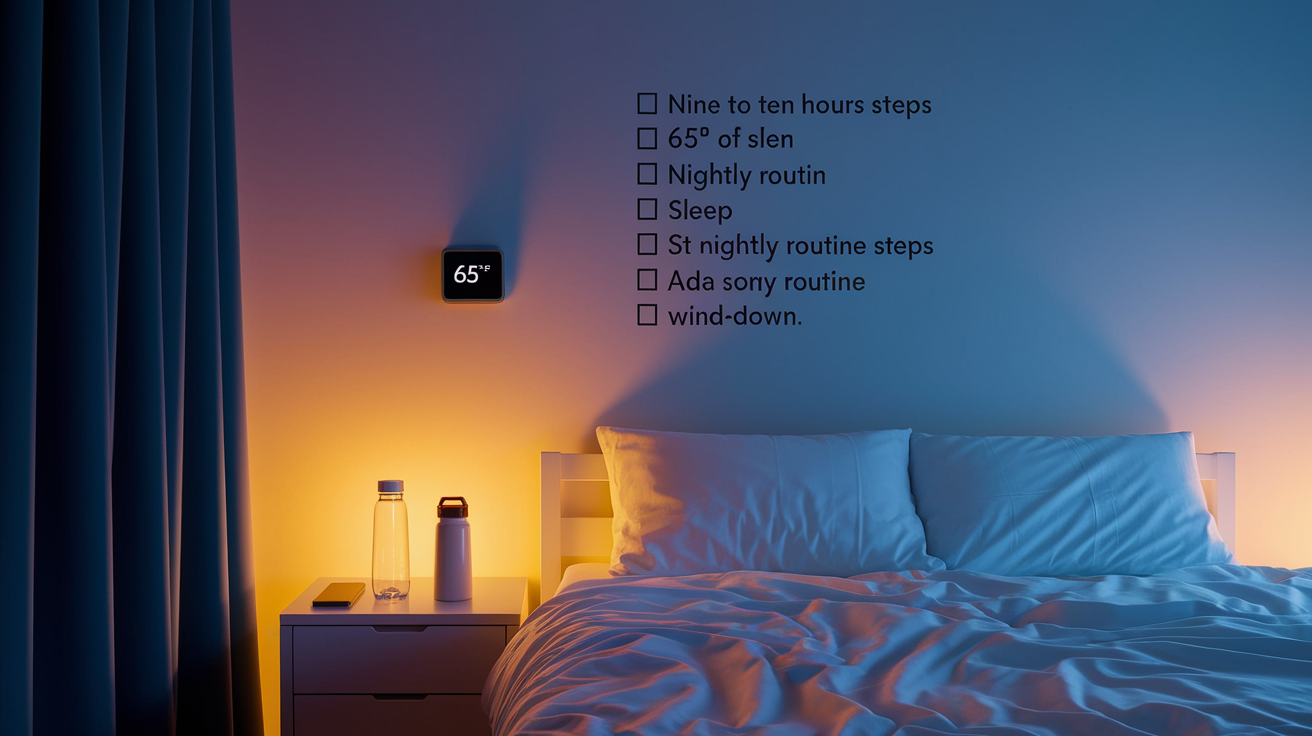
Athletes deal with recovery demands most people don’t face. After hard training, your body rebuilds muscle, restocks energy, and resets your nervous system while you sleep. A structured checklist removes the guesswork and gives you something you can repeat every night. Athletes usually need around 9 to 10 hours of sleep, not the 7 to 9 hours everyone else gets.
Sleep affects recovery and adaptation more than most athletes expect. During deep sleep, growth hormone peaks, protein synthesis ramps up, and immune function strengthens. Poor sleep blunts these processes, slows muscle repair, and increases injury risk. When you sleep well consistently, you adapt faster to training stress, store more glycogen, and stay sharper during competition.
Consistency drives long-term progress. Following the same bedtime and wake time, even on rest days and weekends, locks in your circadian rhythm and makes falling asleep easier. A nightly checklist turns recovery into a habit instead of a decision. Over weeks and months, consistent sleep hygiene compounds into real performance gains.
- Set your bedroom temperature between 60 and 70°F.
- Get rid of all light sources, including phone and charger lights.
- Start your wind-down routine one hour before bed.
- Stop all screen use at least 30 minutes before sleep.
- Avoid caffeine within six hours of bedtime.
- Finish your last meal one to two hours before lights out.
- Target nine to ten hours of sleep each night.
- Wake at the same time every morning, including weekends.
- Get morning light exposure within 30 minutes of waking.
- Use calming activities like reading, breathing exercises, or light stretching before bed.
Sleep Environment Optimization for Athletes and Gym-Goers
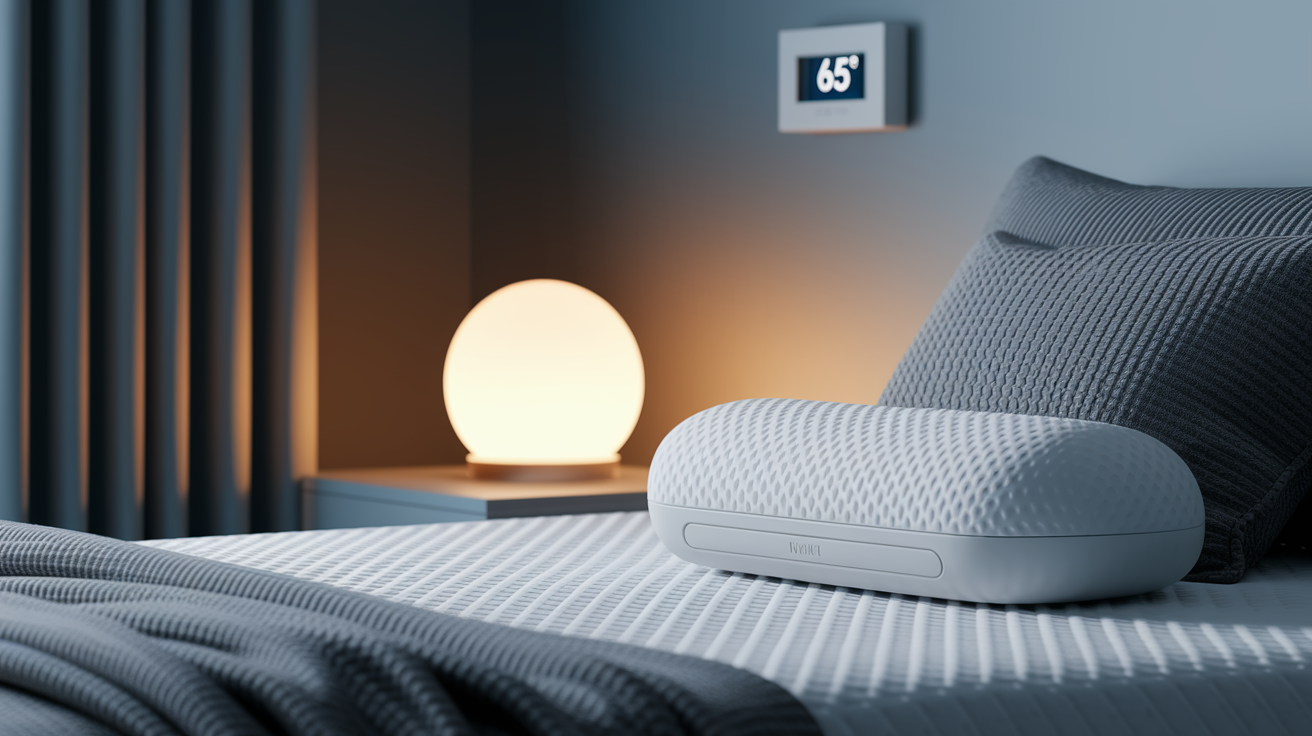
Your bedroom setup directly affects how fast you fall asleep and how well you stay asleep. Athletes often benefit from firmer mattresses that keep your spine neutral throughout the night. A sagging mattress forces weird postures that mess with breathing and trigger micro-awakenings. Gel-infused memory foam pillows help cut down on movement by supporting your head and neck in a neutral position. When your pillow fits your sleeping posture, you toss and turn less, which preserves uninterrupted sleep cycles.
Temperature, light, and noise control form the foundation of an optimized sleep environment. Ideal room temperature is 60 to 70°F, cool enough to lower core body temperature and trigger sleep onset. Dark rooms help maintain circadian alignment by preventing light from signaling your brain to wake. Removing phone and charger lights matters more than most athletes expect. Even small LEDs can mess with melatonin production. White noise or fans help mask disruptive noise from roommates, traffic, or hotel air systems.
Temperature: Keep the room between 60 and 70°F using a thermostat, fan, or open window.
Light control: Use blackout curtains or an eye mask. Remove all phone, charger, and standby lights from the room.
Noise management: Use white noise machines, earplugs, or a quiet fan to mask external sounds.
Mattress firmness: Choose a firmer mattress that prevents sagging and maintains neutral spinal alignment.
Pillow alignment: Pick a gel-infused memory foam pillow that keeps your head and neck level with your spine.
Pre-Sleep Routine and Wind-Down Timing for Athletic Recovery
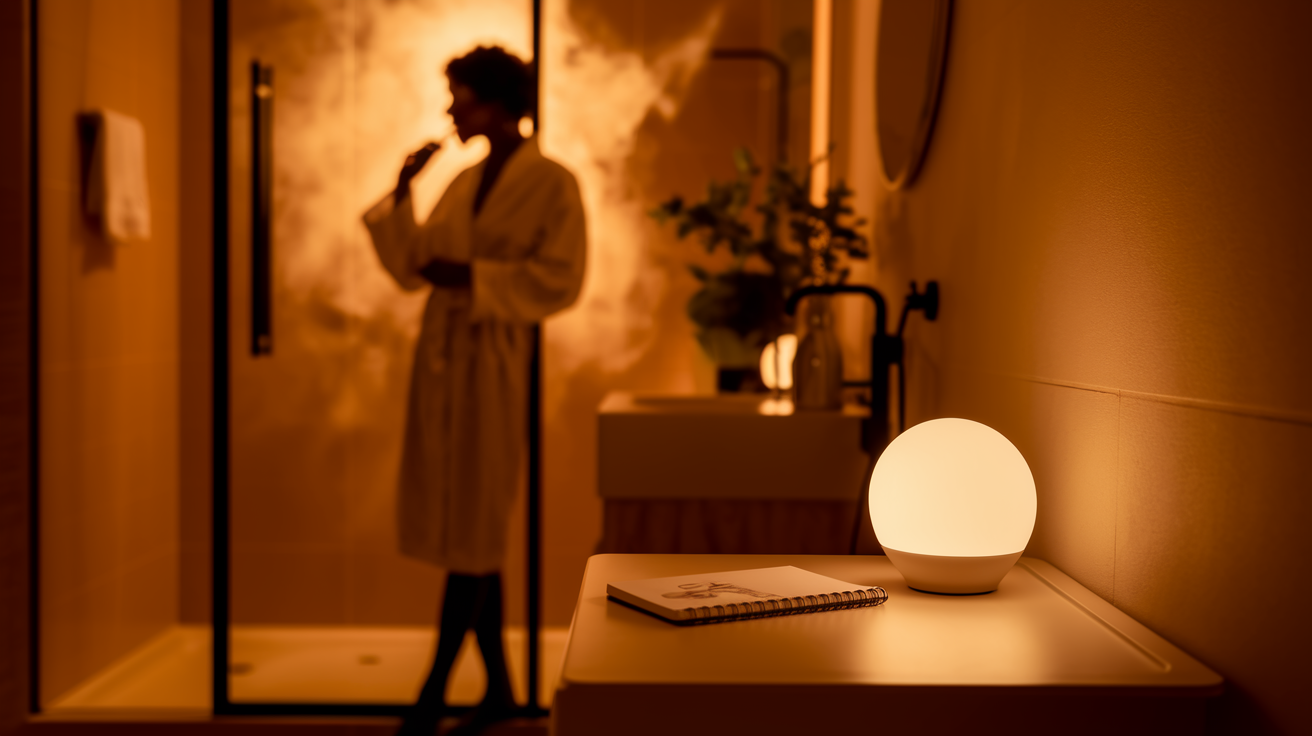
Wind-down timing matters because your nervous system needs a gradual transition from activity to rest. Starting one hour before bed gives your body enough time to lower adrenaline, reduce core temperature, and shift into parasympathetic mode. Athletes who skip this buffer often lie awake, replaying training sessions or scrolling their phones. A consistent nightly ritual like shower, brush, plan tomorrow signals your brain that sleep is coming next.
Timing Structure
Wind-down should begin around one hour before bed with calming rituals like showering, brushing, and planning the next day. Screens should be eliminated 30 to 60 minutes before sleep. Blue-light glasses aren’t sufficient substitutes for stopping screen use entirely. Movement should be minimized in the final hour to ease the transition to sleep. If you need to move around the house, keep it slow and deliberate. Rushing activates the stress response you’re trying to quiet.
Relaxation Strategies
Relaxation options include reading physical books, listening to soft audio, breathing exercises, and progressive muscle relaxation. Deep breathing works well: inhale for four counts, hold for four, exhale for six. This activates the vagus nerve and lowers heart rate. Progressive muscle relaxation involves tensing and releasing each muscle group from toes to shoulders, which reduces residual tension from training. Choose one or two techniques and repeat them nightly until they become automatic pre-sleep cues.
| Ritual | Purpose |
|---|---|
| Warm shower | Lowers core body temperature and signals bedtime |
| Breathing exercises | Activates parasympathetic system and reduces heart rate |
| Progressive muscle relaxation | Releases residual tension from training sessions |
| Reading (physical book) | Occupies the mind without screen exposure or stimulation |
Nutrition, Hydration, and Caffeine Timing for Enhanced Sleep Quality
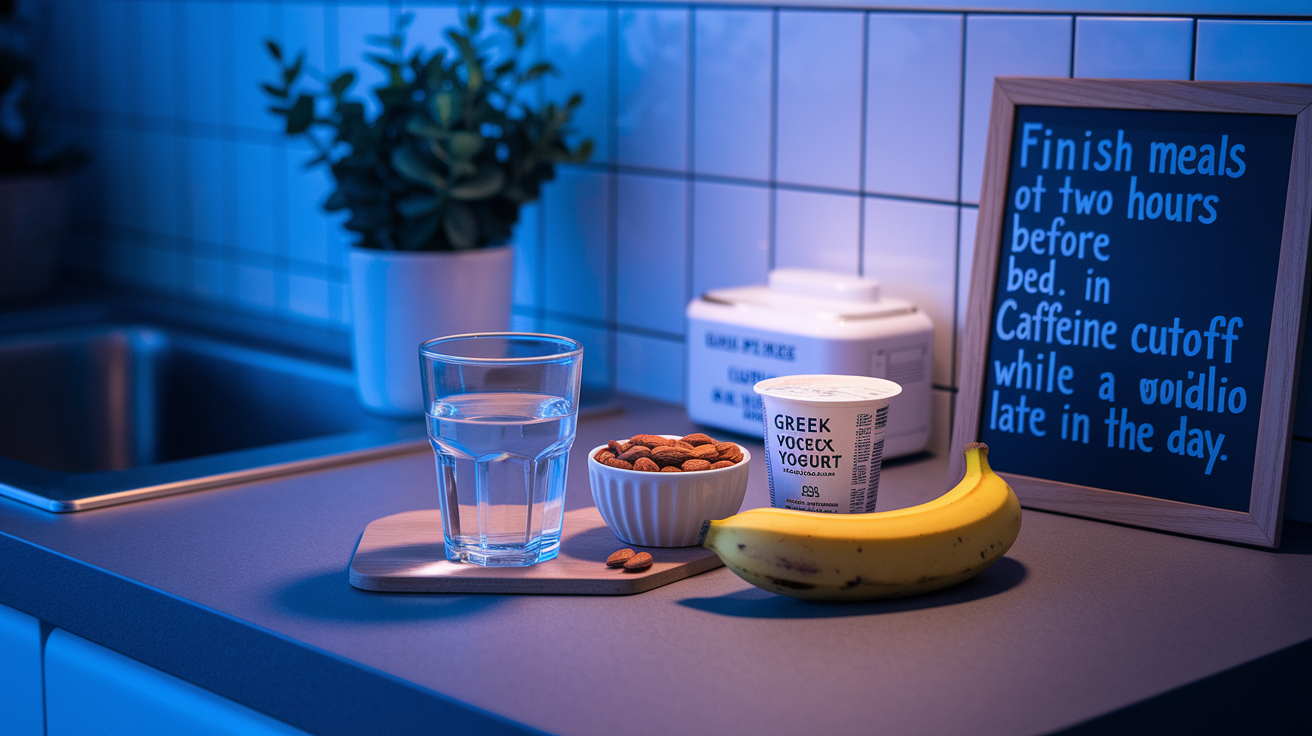
Caffeine must be avoided within six hours of sleep because its half-life keeps stimulating your central nervous system long after your last cup. Even if you feel tired, residual caffeine blocks adenosine receptors and prevents deep sleep stages. Large meals should be avoided one to two hours before bed. Heavy digestion raises core temperature and shifts blood flow to the gut, both of which interfere with sleep onset. Processed foods should be avoided at night because they spike blood sugar and trigger insulin responses that disrupt melatonin production.
Athletes can sip small amounts of water at night but should avoid drinking full bottles right before bed. Waking up to urinate fragments sleep cycles and reduces time spent in restorative stages. If you’re thirsty after training, finish most of your hydration at least 90 minutes before lights out. Casein protein and tryptophan-rich foods can improve recovery when consumed earlier in the evening. A small serving of Greek yogurt, cottage cheese, or turkey two to three hours before bed supports overnight muscle repair without disrupting digestion.
Pre-sleep snack options include a handful of almonds, a banana, or a small bowl of oatmeal if you train late and need to refuel. Carbohydrate timing and sleep quality connect through glycogen replenishment. Athletes who finish evening sessions with depleted stores sleep better after consuming moderate carbs. Pair those carbs with a protein source to stabilize blood sugar overnight.
Caffeine cutoff: No caffeine within six hours of your target bedtime.
Meal timing: Finish your last large meal one to two hours before bed.
Hydration strategy: Sip water as needed but avoid drinking a full bottle in the final hour.
Pre-sleep protein: Choose casein or tryptophan-rich options like Greek yogurt, cottage cheese, or turkey earlier in the evening.
Light snack window: If needed, eat a small carb-and-protein snack two to three hours before bed.
Avoid processed foods: Skip sugary or highly processed items at night to prevent blood sugar spikes.
Training Timing, Exercise Load, and Their Impact on Athlete Sleep Quality
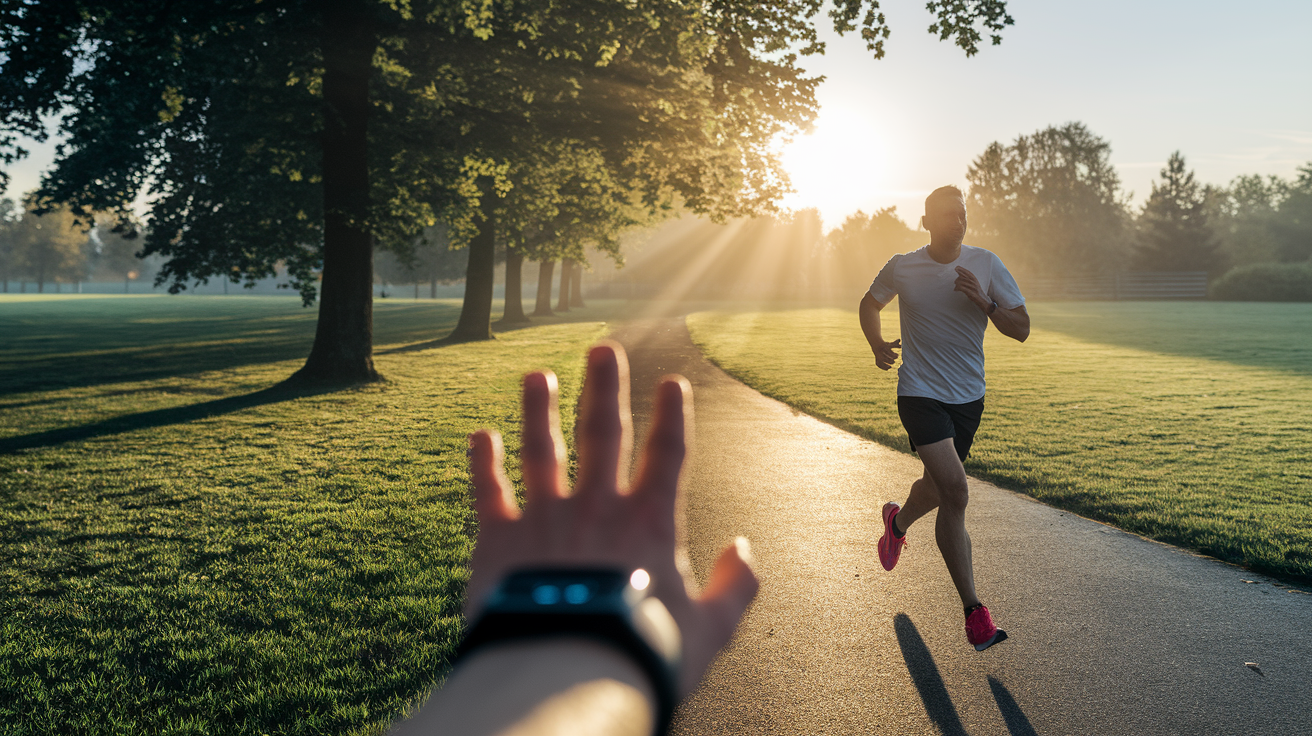
Intense workouts too close to bed impair sleep because they jack up adrenaline, raise core temperature, and keep your sympathetic nervous system active. Several hours of separation between your last hard set and lights out allows those systems to settle. Morning light exposure helps circadian rhythm by anchoring your internal clock to daylight. Athletes who train outdoors in the morning fall asleep faster at night because their melatonin release aligns with sunset.
Evening high-intensity activity extends the time it takes to fall asleep and reduces total sleep duration. Overtraining reduces sleep quality and recovery capacity. Persistent fatigue, mood changes, and trouble falling asleep signal that your training load exceeds your recovery ability. When you notice these signs, prioritize sleep over adding volume or intensity.
Morning training benefits: Natural light exposure stabilizes your circadian rhythm and improves evening melatonin release.
Evening training cut-offs: Finish high-intensity sessions at least three hours before bedtime to allow adrenaline and core temperature to drop.
Overtraining-related insomnia: Watch for persistent fatigue, irritability, and difficulty falling asleep despite feeling exhausted. These signal excess training stress.
Sleep supports hypertrophy: Deep sleep stages drive growth hormone release and protein synthesis, both essential for muscle repair and growth.
Sleep Duration, Naps, and Recovery-Based Schedule Planning
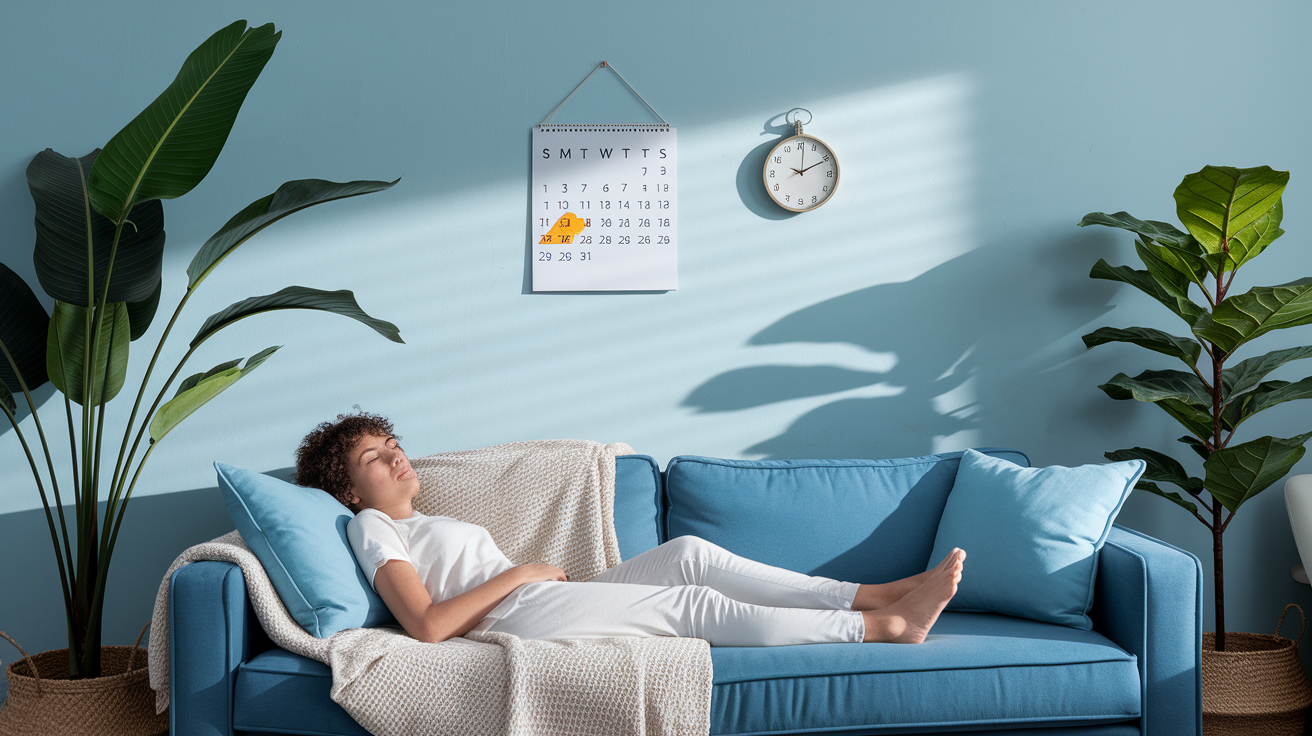
Athletes need nine to ten hours of sleep each night to fully recover from training stress. Naps should be under 30 minutes to avoid sleep inertia and preserve nighttime sleep quality. Long naps reduce sleep pressure at bedtime and fragment your overnight rest. Weekend schedules should stay consistent. Sleeping in on Saturday disrupts your circadian rhythm and makes Monday morning harder. Morning light exposure stabilizes your internal clock, so get outside or near a bright window within 30 minutes of waking.
Consistent bedtime and wake time anchor your recovery routine. Even on rest days, keeping the same schedule prevents circadian drift. If you travel across time zones or compete late at night, adjust your sleep window gradually over several days rather than making abrupt changes. Small, incremental shifts (15 to 30 minutes per night) help your body adapt without triggering sleep debt.
Nap Timing Guidelines
Naps can support recovery when used strategically, but timing and duration matter. A 20-minute power nap in the early afternoon restores alertness without interfering with nighttime sleep. Naps longer than 30 minutes or taken after 3:00 PM increase the risk of grogginess and reduce your ability to fall asleep at your regular bedtime.
| Nap Type | Duration | Best Time of Day |
|---|---|---|
| Power nap | 10–20 minutes | 12:00 PM – 2:00 PM |
| Recovery nap | 20–30 minutes | 1:00 PM – 3:00 PM |
| Avoid | Over 30 minutes or after 3:00 PM | Late afternoon or evening |
Supplements and Aids for Athlete Sleep Optimization
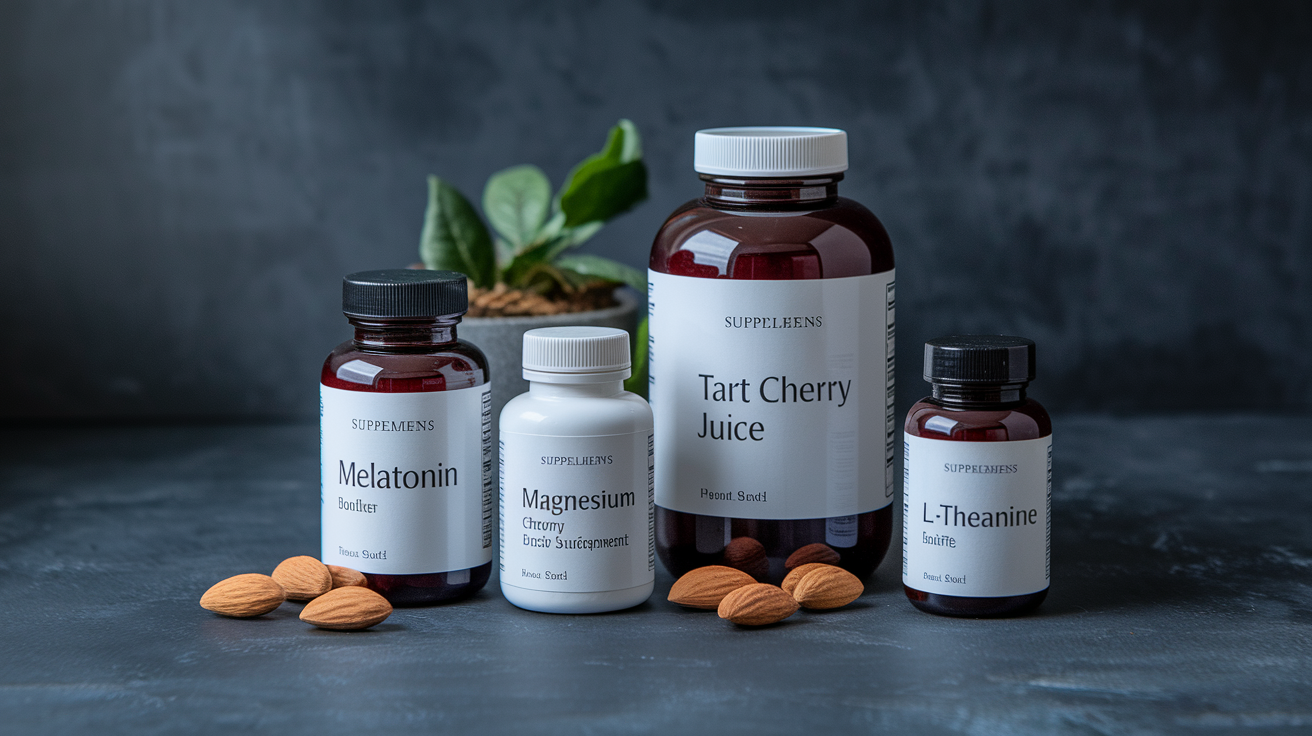
Melatonin helps with jet lag by signaling your brain when it’s time to sleep in a new time zone. Dosing varies individually, but starting with 0.5 to 3 mg about 30 minutes before your target bedtime in the new location works for most athletes. Magnesium can improve relaxation by supporting neurotransmitter function and reducing muscle tension. Forms like magnesium glycinate are better absorbed and less likely to cause digestive upset than magnesium oxide.
Tart cherry contains melatonin and anthocyanins that support sleep quality and reduce inflammation. Drinking four to eight ounces of tart cherry juice one to two hours before bed is a common practice among endurance athletes. L-theanine supports calmness by increasing alpha brain waves and balancing excitatory neurotransmitters. A dose of 100 to 200 mg in the evening can help athletes wind down without causing grogginess the next morning.
Supplements shouldn’t replace sleep routines. Even the best supplement won’t fix poor sleep hygiene. Think of them as tools to support an already solid foundation. If you rely on supplements to fall asleep every night, you’re masking a bigger problem. Fix your environment, timing, and routine first, then add targeted supplementation if needed.
Melatonin: Useful for jet lag and time-zone shifts. Start with 0.5 to 3 mg 30 minutes before bed in the new location.
Magnesium: Supports relaxation and muscle recovery. Magnesium glycinate is well-absorbed and gentle on the stomach.
Tart cherry: Contains natural melatonin and reduces inflammation. Consume four to eight ounces one to two hours before bed.
L-theanine: Promotes calm focus and alpha brain waves. 100 to 200 mg in the evening can ease the transition to sleep.
Travel, Jet Lag, and Competition-Night Sleep Strategies
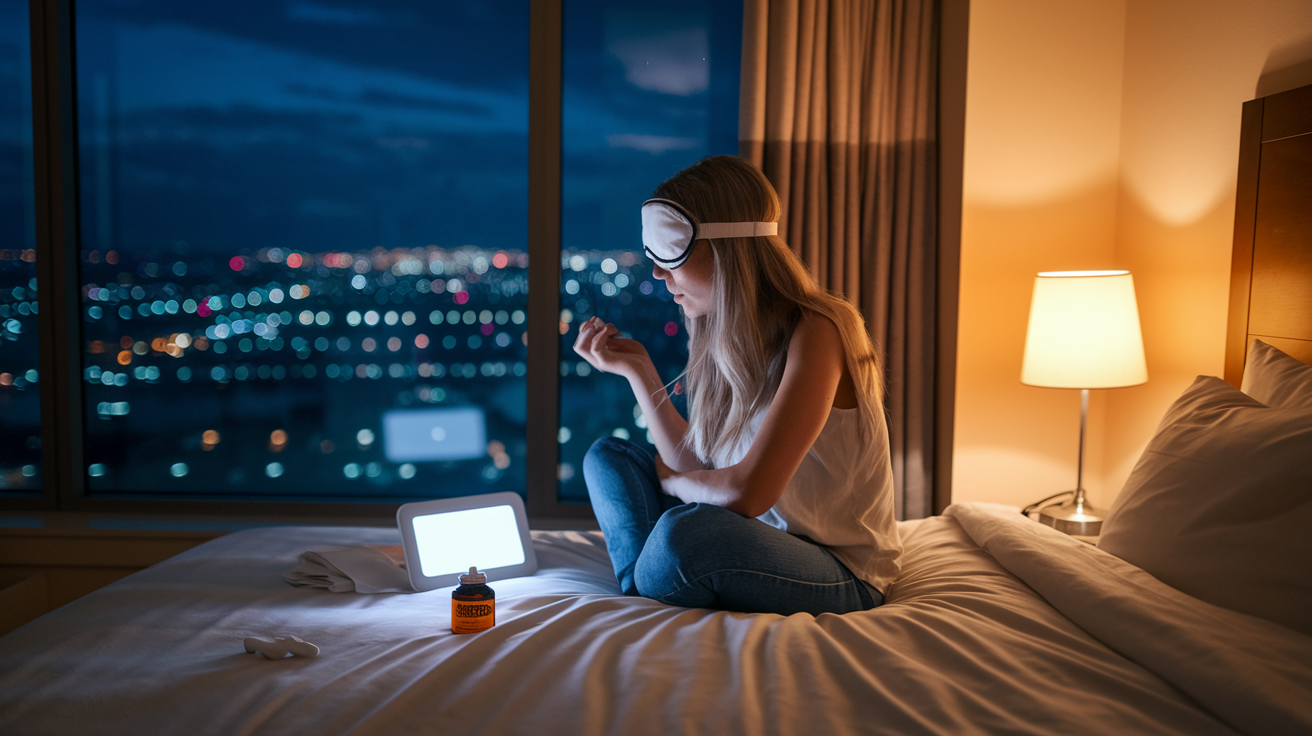
Light exposure therapy helps with jet lag by shifting your circadian rhythm toward the new time zone. Shifting bedtime before travel improves adaptation. Move your sleep window 15 to 30 minutes earlier or later each night for three to four days leading up to your trip. Athletes should use eye masks and earplugs in unfamiliar environments like hotels or arenas where noise and light are harder to control. Naps under 30 minutes can help during competition weeks when training load and stress are high.
Melatonin can support time-zone shifts when taken at the appropriate local bedtime. Athletes should stay awake until local bedtime when traveling, even if they’re exhausted. Crashing early locks in the old time zone and prolongs jet lag. Instead, get outside in natural light during the afternoon in the new location to accelerate circadian adjustment.
Jet Lag Mitigation Protocol
Start adjusting your sleep schedule three to four days before departure. If traveling east, go to bed 15 to 30 minutes earlier each night. If traveling west, delay bedtime by the same increment. On the flight, set your watch to the destination time zone and eat, hydrate, and rest according to that schedule. Avoid alcohol and caffeine during travel. Both dehydrate you and disrupt sleep architecture.
Competition-Night Routine
Competition nerves spike adrenaline and make falling asleep harder. Stick to your normal wind-down sequence even if you’re in a hotel. Bring familiar items like your pillow, white noise app, or a book you’ve been reading. Don’t review game film or scroll highlight reels right before bed. Instead, use breathing exercises or progressive muscle relaxation to calm your nervous system. If you can’t sleep, get out of bed and do a quiet activity in dim light until you feel drowsy again.
Pack earplugs, an eye mask, and a travel white noise app or small fan for unfamiliar sleep environments.
Shift your bedtime gradually over three to four days before crossing time zones.
Stay awake until local bedtime on arrival, even if you’re tired, to reset your internal clock faster.
Use melatonin (0.5 to 3 mg) at your new bedtime for the first few nights in a new time zone.
Get bright light exposure in the afternoon at your destination to accelerate circadian adjustment.
Monitoring, Tracking, and Long-Term Sleep Optimization for Athletes
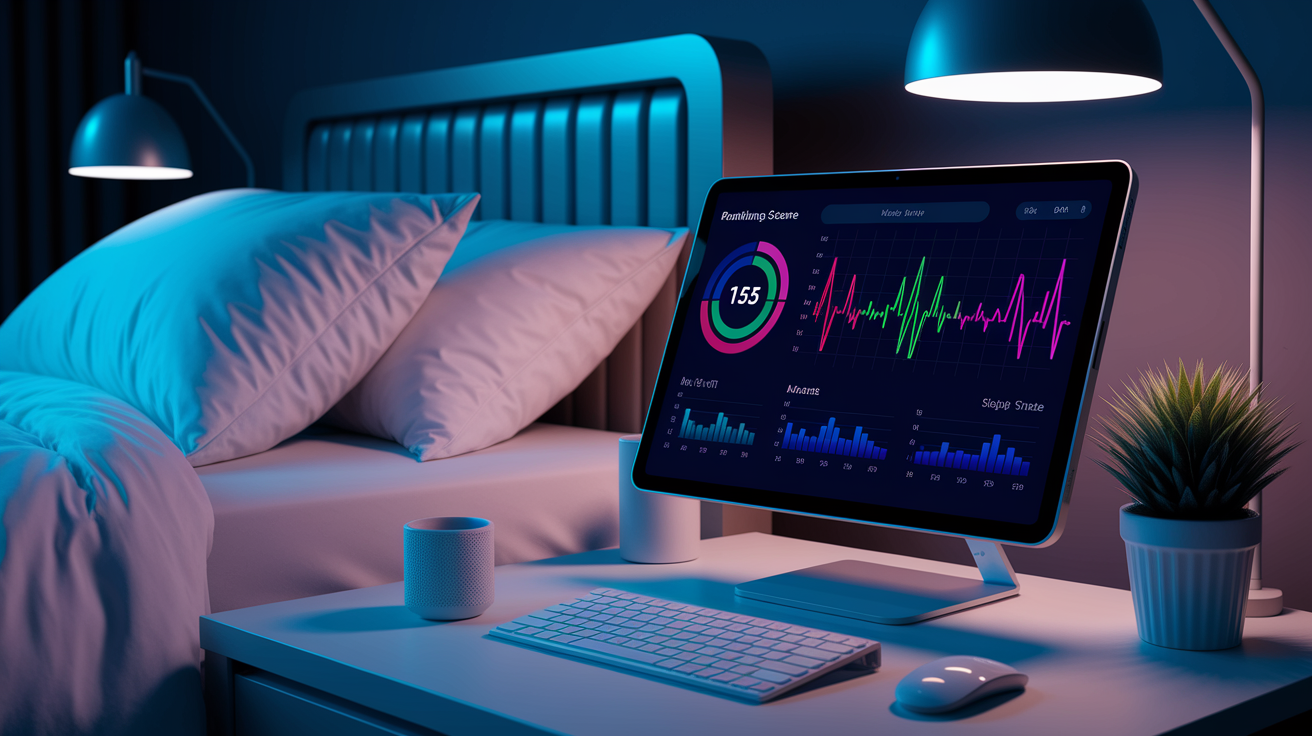
Athletes can monitor heart rate variability, sleep stages, and waking patterns using wearable trackers. HRV reflects nervous system recovery. Higher HRV generally signals readiness to train hard, while lower HRV suggests you need more recovery. Sleep diaries help identify patterns over weeks and months. Write down your bedtime, wake time, how long it took to fall asleep, and how you felt the next morning. Tracking sleep debt supports recovery planning. If you miss two hours one night, add them back over the next few nights instead of trying to “catch up” all at once.
Athletes should adjust training based on sleep data. If your tracker shows multiple nights of poor deep sleep or frequent awakenings, reduce training volume or intensity until sleep quality improves. Long-term sleep optimization strategy means treating sleep as a training variable, not an afterthought. Review your sleep logs monthly, compare them to performance metrics, and adjust your routine when patterns emerge.
| Tracking Method | What It Measures | Value to Athletes |
|---|---|---|
| Wearable tracker (watch, ring) | HRV, sleep stages, total sleep time, resting heart rate | Provides objective recovery data and readiness signals |
| Sleep diary or app log | Bedtime, wake time, subjective sleep quality, next-day energy | Reveals behavioral patterns and links sleep to performance |
| Sleep debt calculator | Cumulative shortfall from target sleep duration | Helps plan catch-up nights and avoid chronic under-recovery |
| Performance logs (strength, speed, mood) | Training outcomes, perceived exertion, cognitive sharpness | Shows how sleep quality directly impacts training adaptations |
Final Words
Start tonight: run a quick sleep hygiene checklist for athletes and gym-goers — set room temp, cut screens, and pick a consistent bedtime.
This post walked you through bedroom setup, wind‑down timing, meal and caffeine rules, training timing, nap targets, supplements, travel tips, and simple tracking.
Do this next: pick one change you can do before bed tonight (screen curfew, cooler room, or a 30‑minute wind‑down). Use the sleep hygiene checklist for athletes and gym-goers as your nightly guide. Small changes add up — you’ve got this.
FAQ
Q: How many hours of sleep do athletes need?
A: Athletes generally need about 9–10 hours of sleep to support recovery, adaptation, and performance, which is higher than the general 7–9 hour recommendation.
Q: What should a high-level sleep hygiene checklist for athletes include?
A: The sleep hygiene checklist for athletes includes environment setup, consistent sleep schedule, a 9–10 hour target, screen curfew, limited caffeine, pre-sleep routine, morning light, short naps, stress reduction, and hydration control.
Q: How should athletes set up their sleep environment?
A: The ideal sleep environment is 60–70°F, very dark, quiet or masked with white noise, a firmer mattress for spine alignment, and a pillow that keeps the head neutral.
Q: When should athletes start winding down and stop screens?
A: Athletes should begin wind-down about one hour before bed and stop screens 30–60 minutes before sleep, since blue-light glasses aren’t a reliable substitute for a screen curfew.
Q: What relaxation strategies work best before bed?
A: Effective pre-sleep strategies include reading, soft audio, breathing exercises, and progressive muscle relaxation to lower arousal and signal the body it’s time to sleep.
Q: How should athletes time meals, fluids, and caffeine around sleep?
A: Athletes should avoid caffeine within six hours of bed, skip large meals 1–2 hours before sleep, sip small amounts of water at night, and prefer casein or tryptophan-rich snacks if needed.
Q: Do evening workouts affect sleep quality?
A: Evening high-intensity workouts can impair sleep if too close to bedtime, so finish intense sessions several hours earlier or choose lower-intensity evening activity.
Q: How long and when should athletes nap?
A: Athletes should keep naps under 30 minutes, avoid long late-day naps, and use short naps strategically to boost recovery without disrupting nighttime sleep.
Q: Which supplements can help athlete sleep and when should they be used?
A: Melatonin can help with jet lag, magnesium and L-theanine may aid relaxation, and tart cherry can support sleep—use these sparingly and only alongside solid sleep routines.
Q: How can athletes track sleep and use that data?
A: Athletes can track sleep with wearables and sleep logs, monitor HRV and sleep debt, then adjust training, naps, or recovery based on consistent trends in the data.
Q: How should athletes handle sleep during travel and on competition nights?
A: For travel and competition, shift your bedtime before travel, use timed light exposure to adapt, stay awake until local bedtime, and rely on eye masks, earplugs, short naps, and cautious melatonin use.