

What if your bedroom thermostat is quietly sabotaging your recovery?
Research points to a cool room—about 60–67°F (15–19°C)—as the sweet spot for recovery-focused sleep.
A cooler bedroom helps your core temperature fall, boosts melatonin, and extends slow-wave sleep where most muscle repair, immune rebuilding, and memory consolidation happen.
If you train hard, aim for the lower end: 60–64°F (15–18°C).
This post lays out the science-backed ranges, why they work, and simple fixes you can try tonight.
Core Temperature Guidelines for Recovery-Focused Sleep
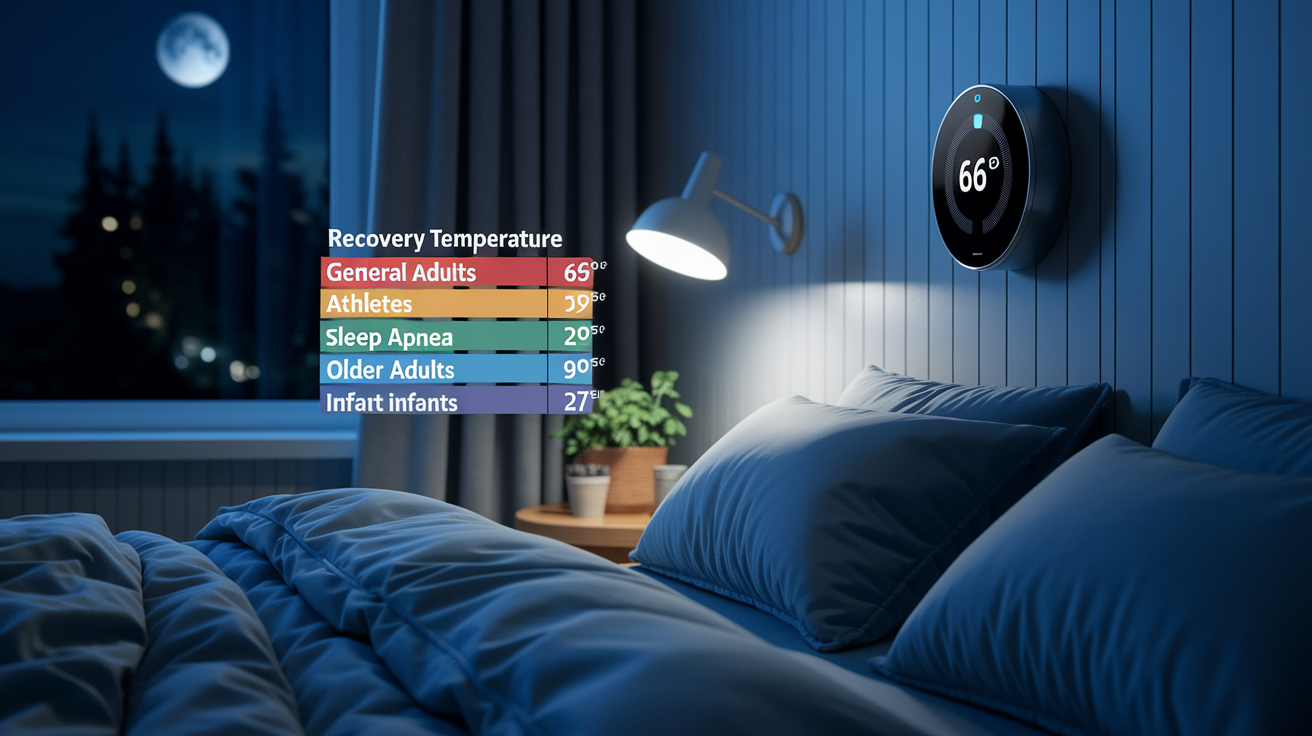
Most research points to 60–67°F (15–19°C) as the ideal bedroom temperature for recovery sleep. Some sources push the upper boundary to 68°F (20°C), which works as a practical sweet spot between comfort and actual restoration. This cooler setup supports your body’s natural drop in core temperature that starts about two hours before bed, helping trigger melatonin release and the shift into deep, slow-wave sleep where tissue repair, immune strengthening, and memory consolidation happen.
Athletes and people serious about physical recovery tend to do better at the cooler end, roughly 60–64°F (15–18°C). Intense training elevates metabolic heat production and delays the core temperature decline you need for sleep onset. General adult sleepers usually land in the 65–68°F (18–20°C) range, which still supports restorative sleep stages without feeling uncomfortably cold. Age, sex, metabolic rate, and personal cold tolerance will shift your ideal setpoint by a few degrees, so think of these as starting targets rather than hard rules.
When your bedroom stays within these boundaries, you create an environment that favors longer periods of slow-wave sleep and REM sleep. Those two stages are most closely tied to muscle repair, hormone regulation, and cognitive restoration. Rooms that drift above 70°F (21°C) during the night often trigger more frequent awakenings, shorter deep-sleep cycles, and that unrefreshed feeling when you wake, even when total sleep time looks fine on paper.
Recovery-centered temperature targets:
- General adults: 65–68°F (18–20°C)
- Athletes and high training loads: 60–64°F (15–18°C)
- Sleep apnea or breathing concerns: 60–65°F (15.6–18.3°C)
- Older adults with reduced thermoregulation: 68–77°F (20–25°C)
- Infants: 68–72°F (20–22°C) with careful monitoring
How Sleep Thermoregulation Shapes the Ideal Temperature
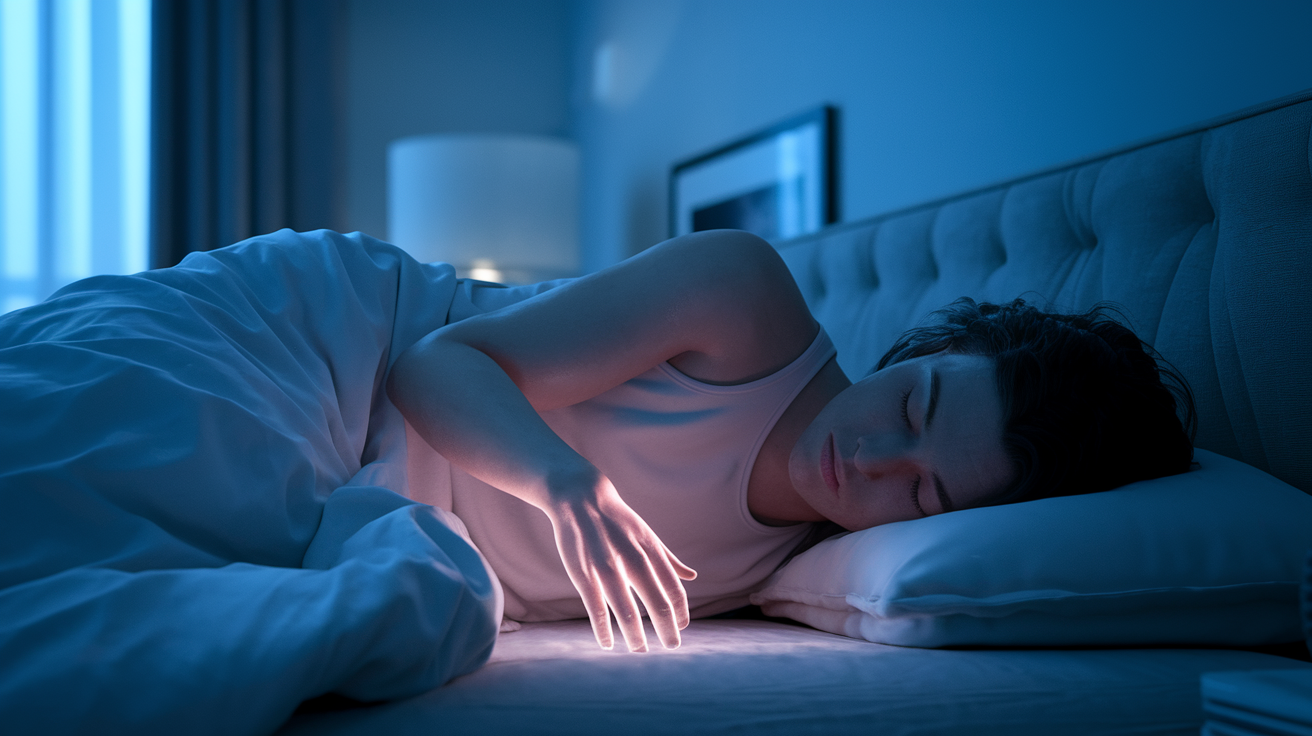
About two hours before your typical bedtime, your core body temperature (which hovers around 98.6°F or 37°C during the day) starts to fall. This drop is part of a circadian rhythm controlled by the brain’s suprachiasmatic nucleus and is tightly linked to melatonin secretion. As melatonin rises, blood vessels in your hands and feet dilate, a process called vasodilation, which transfers heat from your core to your extremities and then out into the air around you. A cool bedroom makes this heat transfer easier and faster, helping you fall asleep more quickly and stay asleep longer.
When ambient temperature creeps above the ideal range, your body struggles to shed enough heat. Elevated room temperature reduces the amount of time spent in slow-wave sleep (the stage where growth hormone is released and muscle fibers repair) and shortens or fragments REM sleep, which handles motor learning, emotional regulation, and decision-making consolidation. During REM, your body’s active temperature regulation largely shuts down, leaving you more vulnerable to external temperature swings. A room that feels fine at bedtime can wake you at 3 a.m. if it warms even a few degrees.
The gap between core temperature and skin temperature on your extremities, called the core-to-extremity gradient, is a reliable predictor of sleep efficiency. When this gradient is large (your core stays warm but your hands and feet stay cold), you’re likely to experience delayed sleep onset and more nighttime awakenings. A cooler bedroom narrows that gradient by helping your core cool down without forcing your extremities into uncomfortable cold. That’s why the 60–67°F (15–19°C) range works for most people.
Temperature Effects on Recovery, Muscle Repair, and Immune Function
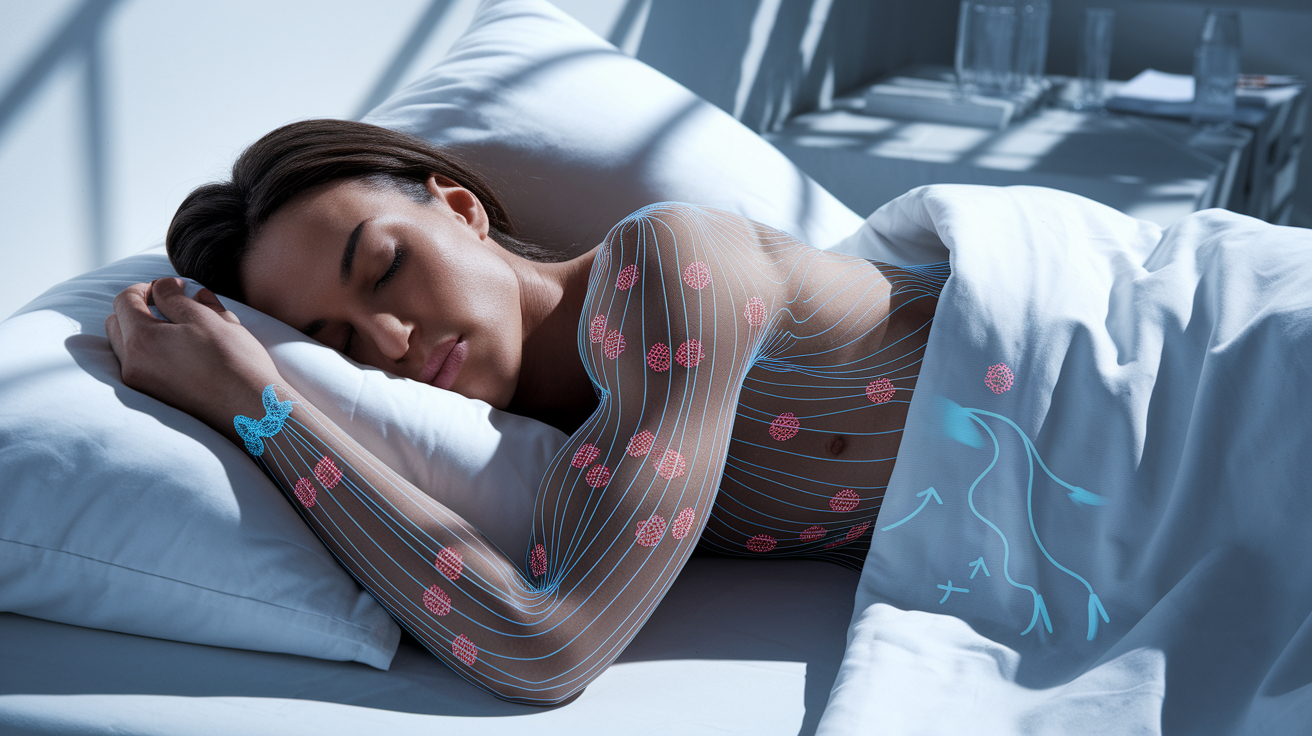
Slow-wave sleep, the deepest stage of non-REM sleep, is when your pituitary gland releases pulses of growth hormone. This hormone drives protein synthesis, repairs microtears in muscle tissue from the day’s training or activity, and helps restore glycogen stores in liver and muscle. Cooler bedroom temperatures are linked to longer and more stable slow-wave sleep periods, which means more growth hormone release and more effective overnight repair. When the room is too warm, you spend less time in this stage, and recovery processes slow down or remain incomplete.
Your immune system also relies on quality sleep to produce cytokines, proteins that fight infection and inflammation. People who sleep in warmer environments tend to show reduced immune resilience and higher markers of systemic inflammation over time. A cooler sleep environment supports the natural anti-inflammatory and immune-strengthening processes that peak during deep sleep, helping you resist illness and recover faster from physical stress.
Sleeping in a hot room increases fatigue, slows reaction time, and raises injury risk the next day. Chronic exposure to elevated nighttime temperatures can contribute to long-term cardiovascular strain, including higher resting heart rate and blood pressure. For anyone focused on recovery (whether from injury, illness, or intense training), keeping the bedroom cool is one of the simplest, most effective interventions available.
| Recovery Process | Temperature Influence |
|---|---|
| Growth hormone release | Cooler rooms extend slow-wave sleep, increasing hormone pulses |
| Muscle repair and protein synthesis | Heat delays deep sleep entry, reducing repair window |
| Immune function and cytokine production | Cool environments support anti-inflammatory processes during sleep |
| Cognitive consolidation and motor learning | Stable REM sleep depends on low ambient temperature; heat fragments REM |
Athlete-Specific Temperature Adjustments for Enhanced Recovery
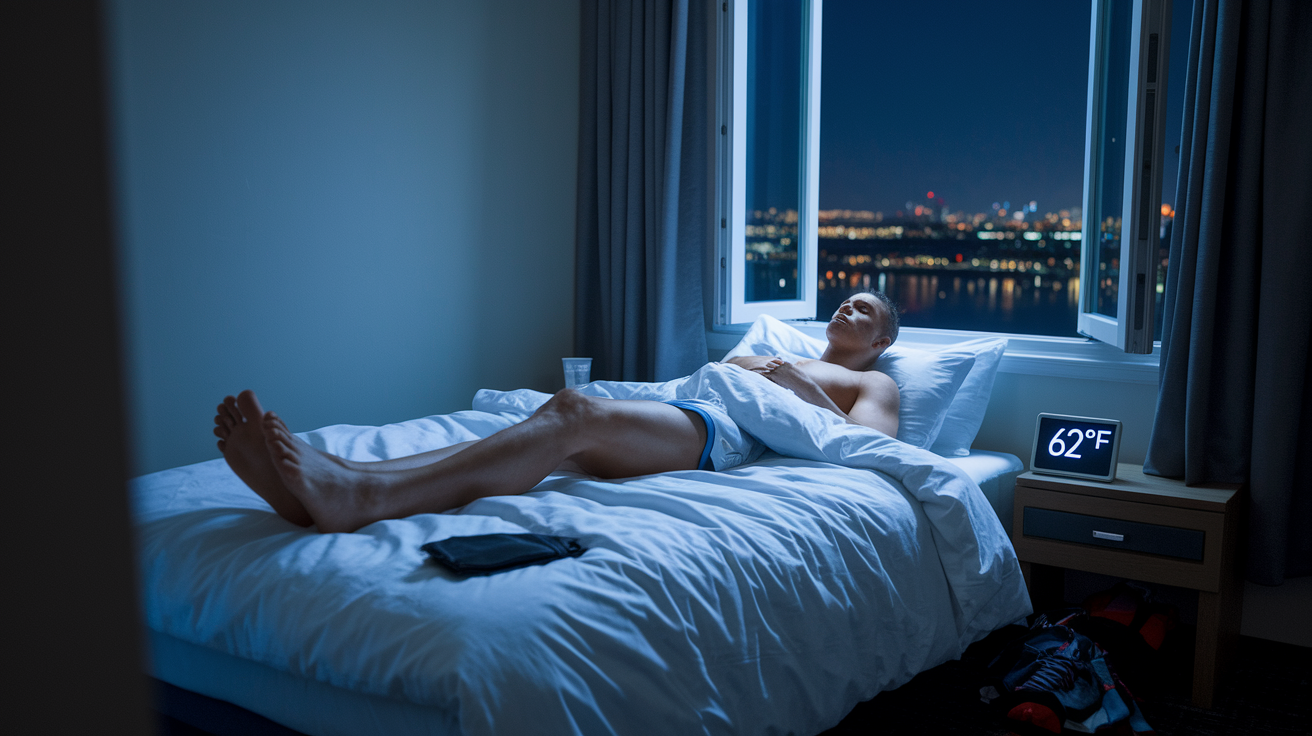
Athletes generate more metabolic heat during training, and that heat can linger for hours after a workout. Evening or late-night training sessions push core temperature higher right when the body needs it to drop for sleep onset. For athletes in heavy training blocks, aiming for the cooler end of the recommended range (60–64°F or 15–18°C) can offset that residual heat and help the body transition into restorative sleep faster. This small adjustment can mean the difference between waking refreshed and waking sore, foggy, and underrecovered.
Lower Temperature Targets for High Training Loads
When training volume or intensity is high, muscle damage accumulates and the demand for slow-wave sleep increases. A bedroom set to 60–64°F (15–18°C) gives your core temperature the room it needs to drop quickly and stay low through the night, maximizing the time spent in deep sleep. If you’re training twice a day or doing high-intensity interval work, this cooler range becomes even more important. Some elite athletes report best results closer to 60°F (15°C), using extra bedding for comfort rather than raising the thermostat.
Post-Workout Cooling Methods
After an evening workout, take a cool or lukewarm shower about 60–90 minutes before bed to accelerate core cooling. Avoid hot showers right before sleep, which can temporarily raise core temperature and delay sleep onset. Open windows or run a fan to increase airflow in the bedroom, and choose moisture-wicking sleepwear that moves sweat away from your skin. Breathable cotton or bamboo sheets work better than synthetic microfibers that trap heat. If you use a mattress topper, pick one with open-cell foam or gel infusions designed to dissipate heat rather than hold it.
Travel and Hotel Temperature Strategies
Hotel rooms are notoriously unpredictable. As soon as you check in, set the thermostat to 60–67°F (15–19°C) and test it an hour before bed to confirm it holds steady. Bring a small portable fan or a compact cooling device if you travel frequently for competitions. Pack your own pillowcase or lightweight blanket so you have familiar bedding that regulates temperature the way you’re used to. Use blackout curtains to block morning light and prevent the room from warming too early, and consider white or brown noise to mask unfamiliar sounds that can fragment sleep when your recovery window is already compressed by travel.
Seasonal Bedroom Temperature Adjustments for Better Sleep

In summer, daytime heat soaks into walls, ceilings, and bedding, making it harder to cool the bedroom down at night. Close blinds or curtains during the hottest part of the day to reduce solar heat gain, then open windows in the evening if outdoor temperatures drop below your target range. Use ceiling fans or box fans to create airflow, which helps evaporate sweat and move warm air away from your body. If you live in a hot, humid climate, air conditioning becomes essential to hit the 60–67°F (15–19°C) range and control moisture, which can make warm air feel even hotter and disrupt thermal comfort.
Winter presents the opposite challenge. It’s tempting to crank the heat up, but overheating the bedroom will fragment REM sleep and leave you waking hot and restless. Set your thermostat to 61–64°F (16–18°C) and use layers (flannel sheets, a heavier duvet, or an extra blanket) to stay warm without raising the ambient temperature. You can always kick off a layer if you get too warm, which is easier than trying to cool down a room that’s already overheated. If your feet stay cold and delay sleep onset, use a hot water bottle at the foot of the bed or wear socks to bed, which warms extremities without heating the whole room.
Seasonal adjustments aren’t just about comfort. Maintaining a consistent target range year-round protects the slow-wave and REM sleep architecture that drives recovery. A bedroom that swings from 55°F (13°C) in winter to 75°F (24°C) in summer will produce inconsistent sleep quality and unpredictable recovery outcomes, even if total sleep time stays the same.
Precise Tools for Keeping the Bedroom in the Ideal Temperature Range

Start with your HVAC system. If you have a programmable or smart thermostat, set it to drop the temperature about one to two hours before your target bedtime, aligning with your body’s natural core temperature decline. For example, if you go to bed at 10 p.m., program the thermostat to begin cooling at 8 p.m. so the room reaches 60–67°F (15–19°C) by the time you’re ready to sleep. Zoned HVAC systems let you cool the bedroom without overcooling the rest of the house, which saves energy and keeps everyone comfortable.
Fans are one of the simplest, most cost-effective tools for temperature control. A ceiling fan set to counterclockwise in summer pulls warm air up and pushes cooler air down. A box fan in the window can pull in cool night air or exhaust warm air, depending on which way you point it. Portable oscillating fans create airflow across your skin, which increases evaporative cooling even if the room temperature stays at the upper end of your target range. In winter, reverse the ceiling fan to clockwise on low speed to gently circulate warm air without creating a draft.
Environmental adjustments to maintain recovery-focused temperature:
- Close blinds or thermal curtains during the day to block solar heat in summer
- Use blackout curtains at night to prevent early morning sunlight from warming the room
- Open windows for cross-ventilation when outdoor temps are cooler than indoor temps
- Run a dehumidifier in humid climates to reduce the “feels like” temperature
- Place a bowl of ice in front of a fan for a quick DIY cooling boost on hot nights
- Use space heaters with thermostats in winter to add targeted warmth without overheating the bedroom
Bedding, Mattress, and Sleepwear Choices that Improve Temperature Regulation
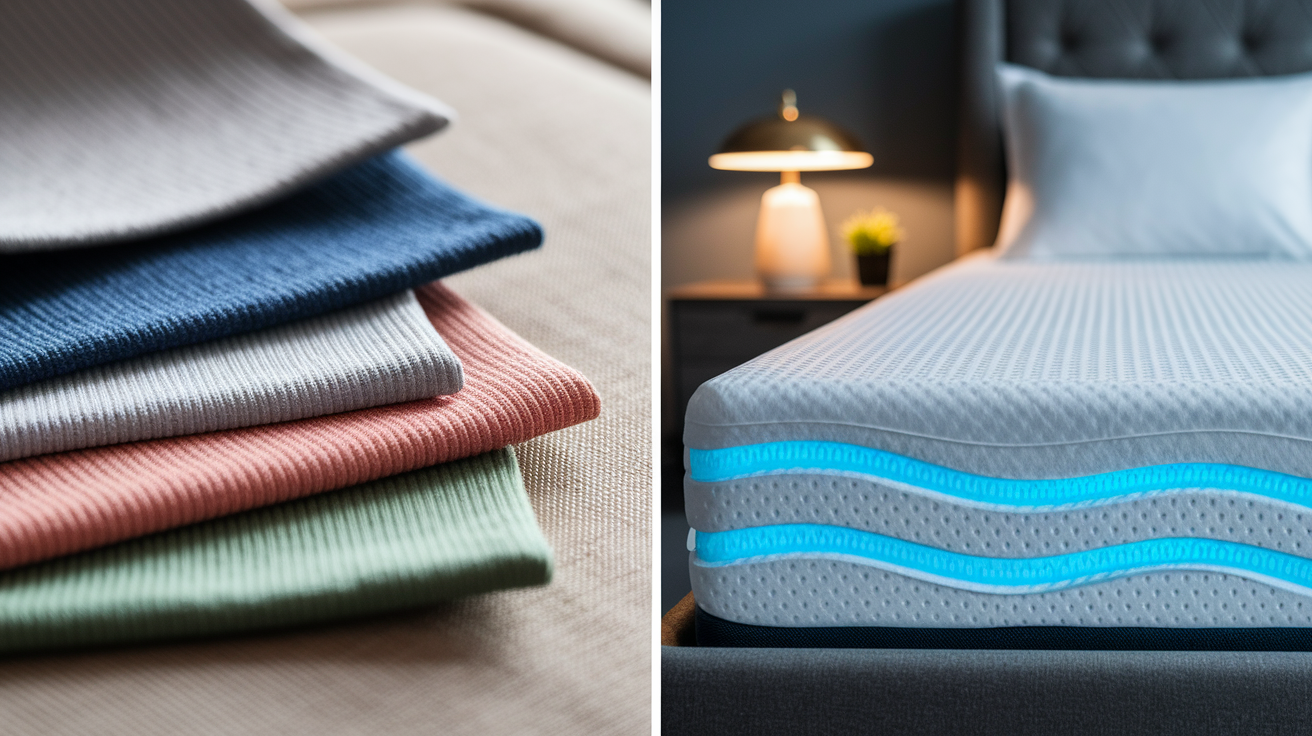
Sheets, blankets, and sleepwear act as a second layer of temperature control. Breathable fabrics like cotton, linen, bamboo, and Tencel wick moisture away from your skin and allow airflow, which prevents the clammy, overheated feeling that fragments sleep. Synthetic microfiber sheets and polyester pajamas trap heat and moisture, making it harder for your body to shed the heat it needs to lose during the night. In summer, switch to lightweight cotton or linen sheets and a thin cotton blanket or duvet with a low tog rating.
Mattress materials vary widely in heat retention. Memory foam mattresses, especially older models, can trap body heat and create a warm microclimate at the sleep surface. If you sleep on memory foam and wake up hot, add a cooling mattress topper made from open-cell foam, gel-infused foam, or phase-change materials that absorb and release heat. Latex and hybrid mattresses with coil systems generally sleep cooler because they allow more airflow through the mattress. If you’re shopping for a new mattress and recovery is a priority, look for models with cooling technologies or gel layers built into the top comfort layer.
Winter bedding can be layered for flexibility. Start with a base layer of flannel or jersey-knit sheets, add a medium-weight duvet or comforter, and keep a spare blanket within reach. This layering system lets you fine-tune warmth without changing the thermostat, which keeps the ambient temperature stable for deep and REM sleep. When your bedroom stays at 61–64°F (16–18°C) and you can adjust your personal warmth with bedding, you get the best of both worlds: a cool environment that supports sleep architecture and enough insulation to stay comfortable all night.
Monitoring Bedroom Temperature and Adjusting for Personal Differences

A simple digital room thermometer placed on your nightstand or dresser gives you an accurate baseline. Check it when you go to bed and again if you wake during the night to see if the temperature has drifted outside your target range. Thermometers with min/max memory functions show you the overnight temperature swing, which helps you spot patterns like early-morning warming from sunlight or HVAC cycling that stops too early.
Smart thermostats and environmental sensors add another layer of precision. Many models log temperature data hour by hour and let you review trends through a phone app. If you notice you wake more often on nights when the bedroom hits 70°F (21°C) or higher, you have objective data to guide your next adjustment. Wearable sleep trackers that measure heart rate variability and sleep stages can show correlations between room temperature and recovery markers. For example, if your HRV drops on warm nights, that’s a signal to prioritize cooling strategies.
Individual differences matter. Older adults often need warmer settings (68–77°F or 20–25°C) because thermoregulation becomes less efficient with age. People with sleep apnea may breathe easier in cooler rooms, while those with insomnia sometimes find a slightly warmer environment (68–72°F or 20–22°C) helps them relax and fall asleep. Women in perimenopause or menopause may need a cooler room to offset hot flashes, while someone with Raynaud’s phenomenon might need extra warmth to prevent cold extremities from delaying sleep.
Four steps to personalize your ideal temperature range:
- Start with the recommended range for your use case (general adult, athlete, infant, older adult) and hold that setpoint for one week while tracking sleep quality and morning energy.
- Adjust the thermostat by 1–2°F (about 1°C) up or down based on how you feel, then hold the new setpoint for another week to test the change.
- Use a room thermometer and a sleep tracker or journal to log temperature, sleep duration, number of awakenings, and subjective sleep quality each morning.
- Fine-tune with bedding and sleepwear instead of large thermostat changes once you’ve narrowed your range to within 2–3°F (1–2°C) of your personal sweet spot.
Final Words
Set your room to 60–67°F (15–19°C) as a clear baseline. Athletes may lean cooler (60–64°F / 15–18°C). Cooler air supports melatonin, lowers core temp, and boosts deep sleep.
Use simple tools: a thermostat schedule, a fan, breathable bedding, and a room thermometer or wearable. Adjust seasonally—keep winter a bit warmer and focus on cutting heat in summer.
Try one change tonight: drop the temp 1–2°F or run a fan. Small tweaks add up—finding your ideal bedroom temperature for recovery-focused sleep will help you rest better and recover faster.
FAQ
Q: What is the 10 5 3 2 1 rule for sleep?
A: The 10‑5‑3‑2‑1 rule for sleep is a timed evening routine: 10 hours before limit stimulants (like caffeine), 5 stop alcohol, 3 stop heavy meals, 2 stop intense work/exercise, 1 power down screens and relax.
Q: What is the healthiest room temperature for sleeping? Is 65 degrees too cold to sleep? Is 15 degrees too cold for a bedroom at night?
A: The healthiest room temperature for sleeping is about 60–67°F (15–19°C). 65°F (18°C) is within that range; 15°C (≈59°F) sits at the cool end and is usually fine, especially for better restorative sleep.