

Want to skip another restless night?
A short evening stretch routine can do more than relax your muscles, it signals your body to quiet down.
Spend 10 to 20 minutes about 15 to 30 minutes before bed, and you’ll loosen tight hips, shoulders, and lower back while switching on your parasympathetic response (rest-and-digest) with slow breaths.
This post gives a seven-move sequence with 30 to 60 second holds, easy modifications, and a quick version for busy nights.
Do it tonight, and you may fall asleep faster and wake with less stiffness.
A Complete Nighttime Stretching Sequence for Better Sleep and Recovery
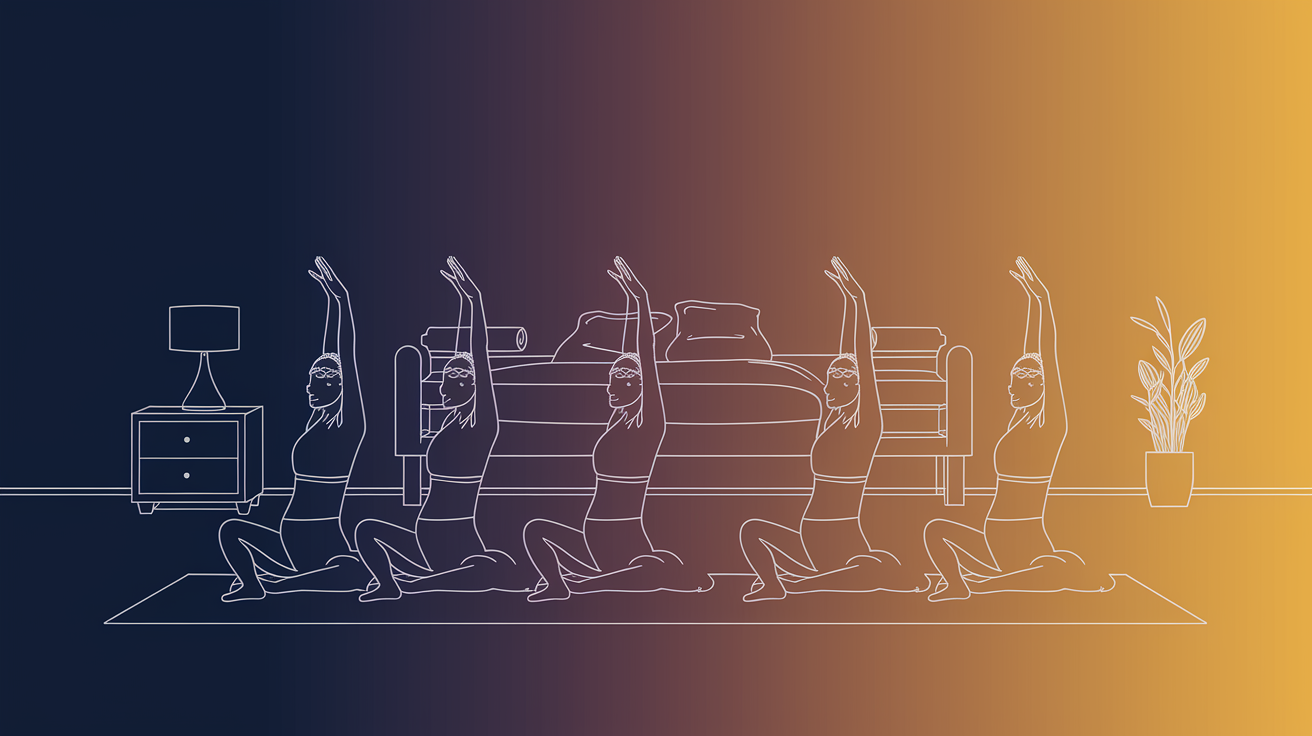
Spending 10 to 20 minutes stretching before bed can undo the tightness you’ve been carrying since lunch, slow your thoughts down, and give your body a real signal that it’s time to stop. This sequence covers seven stretches that hit the usual trouble spots: hamstrings, lower back, hips, shoulders. You’ll hold each one for 30 to 60 seconds, just long enough to feel tissue soften without forcing anything.
Start about 15 to 30 minutes before you’re planning to sleep. That gives your nervous system time to settle without leaving you lying in bed awake. If you’re new to this or coming back after a break, stick with 15 to 30 second holds at first. You can build up later. The idea isn’t to push through, it’s to ease in with each breath out.
Breathing matters as much as the position itself. Breathe in slowly through your nose for four to six seconds, then out for the same. That rhythm switches on your parasympathetic nervous system, the part that handles rest and digestion, and helps drop cortisol and heart rate. Let each exhale take you a bit deeper.
Here’s the full sequence:
-
Seated forward fold — Sit with legs out in front. Breathe in to sit tall, breathe out and fold forward at your hips, reaching toward your feet. Let your head drop. Hold 30 to 60 seconds. This one stretches your hamstrings and lower back while calming everything down. If your lower back feels strained, bend your knees a little or sit on a folded blanket.
-
Legs up the wall — Lie on your back and put both legs straight up against a wall, arms by your sides. Breathe slow and let gravity handle it. Hold 30 to 60 seconds for a quick version, or stay for 3 to 5 minutes if you’ve got time. This relieves tired legs, stretches hamstrings and calves, improves circulation. Scoot your hips away from the wall to soften the angle, or tuck a folded blanket under your lower back.
-
Child’s pose — Start on hands and knees, then sit your hips back toward your heels and fold forward with arms reaching out. Rest your forehead on the floor or a pillow. Breathe into your back. Hold 30 to 60 seconds. Opens your back, shoulders, neck. Widen your knees or stick a pillow under your torso if settling feels hard.
-
Cat–cow flow — Hands and knees, breathe in as you arch your back and lift your head (cow), breathe out as you round your spine and tuck your chin (cat). Move slow for 1 to 2 minutes, one full breath per position. Warms your spine, eases stiffness top to bottom, preps you for the still stuff. If your wrists or knees bug you, cut the range back or try a seated version on your bed.
-
Bow-and-arrow stretch — Lie on your side with your bottom arm out and your top arm reaching across like you’re drawing a bow. Let your chest open and your top shoulder blade pull back. Hold 30 to 60 seconds, then switch. Targets shoulders, upper back, chest. If the floor’s uncomfortable, do a gentle cross-body shoulder stretch sitting or on your back.
-
Reclined spinal twist — Lie on your back, hug one knee in, then guide it gently across your body with your opposite hand. Stretch your other arm out at shoulder height and turn your head toward that hand. Hold 30 to 60 seconds, then switch sides. Releases lower back, glutes, spine. Keep your bottom leg bent or put a pillow between your knees for extra comfort.
-
Figure-four stretch — Lie on your back, knees bent. Cross your right ankle over your left knee, then pull your left thigh toward your chest until you feel it in your right hip and glute. Hold 30 to 60 seconds, switch sides. Super helpful if you sit most of the day. If getting on the floor’s a pain, do a standing version by crossing your ankle over your opposite knee and leaning into a chair.
How Evening Stretching Supports Sleep Quality and Physical Recovery

Gentle stretching before bed does more than loosen tight spots. It nudges your nervous system from alert to ready for rest. When you move slow and breathe deep, you activate the parasympathetic branch of your autonomic system, the one that drops your heart rate, lowers blood pressure, signals the day is done. Research shows people with insomnia who add gentle yoga or stretching to their nighttime routine often fall asleep faster and wake up feeling more rested.
Physical recovery gets a boost too. A full day of sitting, standing, or moving leaves micro-tensions in your back, shoulders, hips, neck. Those tight spots restrict blood flow, limit range of motion, can lead to soreness or stiffness the next day. Holding gentle static stretches for 30 to 60 seconds gives tight tissue time to release and increases circulation to those areas, supporting the repair processes that happen while you’re asleep.
Beyond the physical stuff, stretching offers a mental reset. Focusing on your breath and what’s happening in your body pulls your attention away from tomorrow’s to-do list or today’s stress. That mindful shift reduces anxiety and creates a consistent pre-sleep ritual, conditioning your brain over time to link the routine with lights out.
Key benefits:
- Activates the parasympathetic nervous system to promote relaxation.
- Lowers cortisol and reduces tension tied to stress.
- Improves circulation to muscles and connective tissue, aiding overnight recovery.
- Decreases next-day soreness by releasing tight spots before bed.
Instructions for Each Stretch in Your Evening Routine
Seated Forward Fold
Sit on the floor, legs straight out in front. Breathe in to sit tall and lengthen your spine. As you breathe out, hinge forward at your hips and reach your hands toward your feet, letting your head and neck relax. Keep your breath slow and deep.
- Breath cue: Breathe in to prepare, breathe out to fold deeper.
- Muscles targeted: Hamstrings, lower back, calves.
- Modification: Bend your knees a bit if your hamstrings are tight, or sit on a folded blanket to tilt your pelvis forward.
- Safety note: Don’t round your lower back aggressively. Let the stretch happen at your hips.
Legs Up the Wall
Lie on your back near a wall and put both legs straight up so your heels rest against it. Let your arms fall to your sides, palms up. Close your eyes and breathe slowly through your nose. This position is deeply restorative and takes almost no effort.
- Breath cue: Slow, even breaths in and out. Aim for 4 to 6 seconds each.
- Muscles targeted: Hamstrings, calves, lower back. Also promotes venous return from the legs.
- Modification: Slide your hips further from the wall to reduce the stretch, or put a folded blanket under your pelvis for gentle support.
- Hold option: Stay for 30 to 60 seconds for a quick version, or 3 to 5 minutes if you want a longer relaxation pose.
Child’s Pose
Start on hands and knees. Sit your hips back toward your heels and fold your torso forward, arms straight ahead or resting by your sides. Let your forehead rest on the floor or a pillow. Breathe into the back of your ribcage.
- Breath cue: Breathe in to feel your back expand, breathe out to sink deeper.
- Muscles targeted: Back, shoulders, neck, hips.
- Modification: Widen your knees to make room for your torso, or put a pillow under your chest and forehead for comfort.
- Purpose: This is one of the most calming shapes in the routine. Use it anytime you need to pause.
Cat–Cow
On hands and knees, wrists under shoulders and knees under hips. Breathe in as you drop your belly, arch your back, lift your head and tailbone (cow). Breathe out as you round your spine, tuck your chin, pull your belly in (cat). Move slowly, matching one full breath to each position.
- Breath cue: Breathe in into cow, breathe out into cat. Repeat for 1 to 2 minutes.
- Muscles targeted: Entire spine, upper and lower back, neck, core.
- Modification: Reduce the range if your back feels stiff, or try a seated version on a chair if floor work bothers your wrists or knees.
- Flow tip: This is the only dynamic movement in the sequence. It warms your spine before you settle into longer holds.
Bow-and-Arrow Stretch
Lie on your right side, both arms out in front. Keep your bottom arm on the floor, lift your top (left) arm and rotate your torso to the left, opening your chest like you’re drawing a bow. Let your shoulder blade pull back. Hold 30 to 60 seconds, then roll to your left side and repeat with your right arm.
- Breath cue: Breathe deeply into the stretch. Breathe out to soften your chest and shoulder.
- Muscles targeted: Shoulders, upper back, chest, rotator cuff.
- Modification: If lying on the floor’s uncomfortable, do a gentle cross-body shoulder stretch while seated or lying on your back.
- Alignment note: Keep your hips stacked. Don’t twist from your lower back.
Reclined Spinal Twist
Lie flat on your back, legs extended. Draw your right knee toward your chest, then use your left hand to gently guide it across your body to the left. Stretch your right arm out to the side at shoulder height and turn your head to the right. Hold 30 to 60 seconds, return to center, repeat on the other side.
- Breath cue: Breathe in to lengthen your spine, breathe out to let your knee drop a little deeper.
- Muscles targeted: Lower back, glutes, obliques, spine.
- Modification: Keep your bottom leg bent if it feels more stable, or put a pillow between your knees to reduce intensity.
- Tip: Let gravity do most of the work. Don’t force your knee to the floor.
Figure-Four Stretch
Lie on your back, both knees bent, feet flat. Cross your right ankle over your left knee, making a figure-four shape. Thread your right hand between your legs and clasp both hands behind your left thigh, then gently pull your left thigh toward your chest. Hold 30 to 60 seconds, switch sides.
- Breath cue: Breathe into your right hip and glute as you hold. Breathe out to ease deeper.
- Muscles targeted: Hips, glutes, piriformis, lower back.
- Modification: Do a standing version by crossing your ankle over your opposite knee and leaning into a sturdy chair for balance.
- Application: Super helpful if you sit for long periods or feel tightness in your outer hips.
Breathing Techniques That Enhance Your Evening Stretching Routine
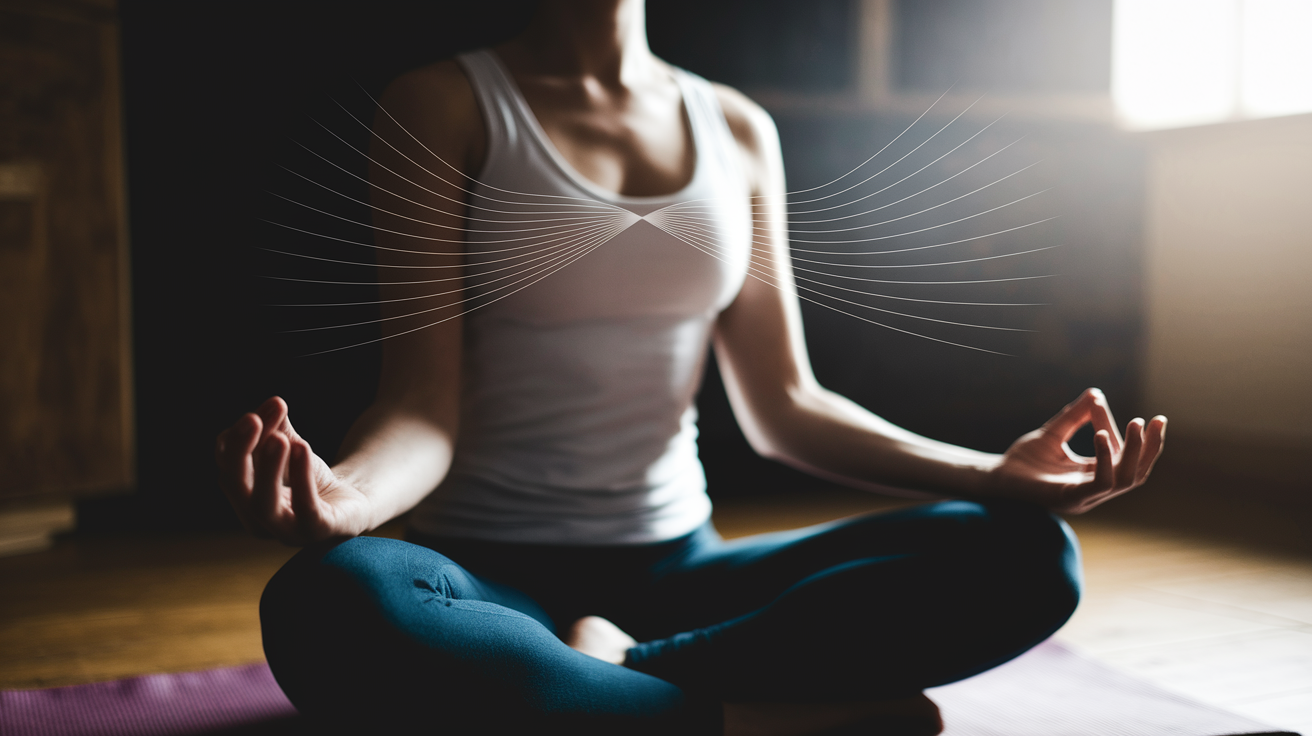
Slow, intentional breathing turns stretching from a simple physical exercise into a tool for nervous system regulation. When you breathe diaphragmatically, breathing deep through your nose and out fully through your nose or mouth, you send a direct signal to your brain that it’s safe to relax. Aim for breaths in and out that each last about four to six seconds. That rhythm is slow enough to engage your parasympathetic nervous system and reduce the arousal keeping you awake.
Use your breath to guide each stretch. Breathe in to prepare your body and create length in your spine or limbs. Breathe out to ease into the stretch, letting tension release as the air leaves. If you notice your breath getting shallow or rapid, pause and reset. Forced breathing or holding your breath will work against the calming effect you’re trying to create.
Simple diaphragmatic breathing pattern to use during stretches:
- Breathe in slowly through your nose for 4 to 6 seconds, letting your belly rise as your diaphragm drops and your lungs fill from bottom to top.
- Pause briefly at the top without holding tension in your chest or shoulders.
- Breathe out slowly through your nose or mouth for 4 to 6 seconds, feeling your belly fall and your ribcage soften as you release the air completely.
How to Create the Ideal Sleep-Boosting Stretching Environment
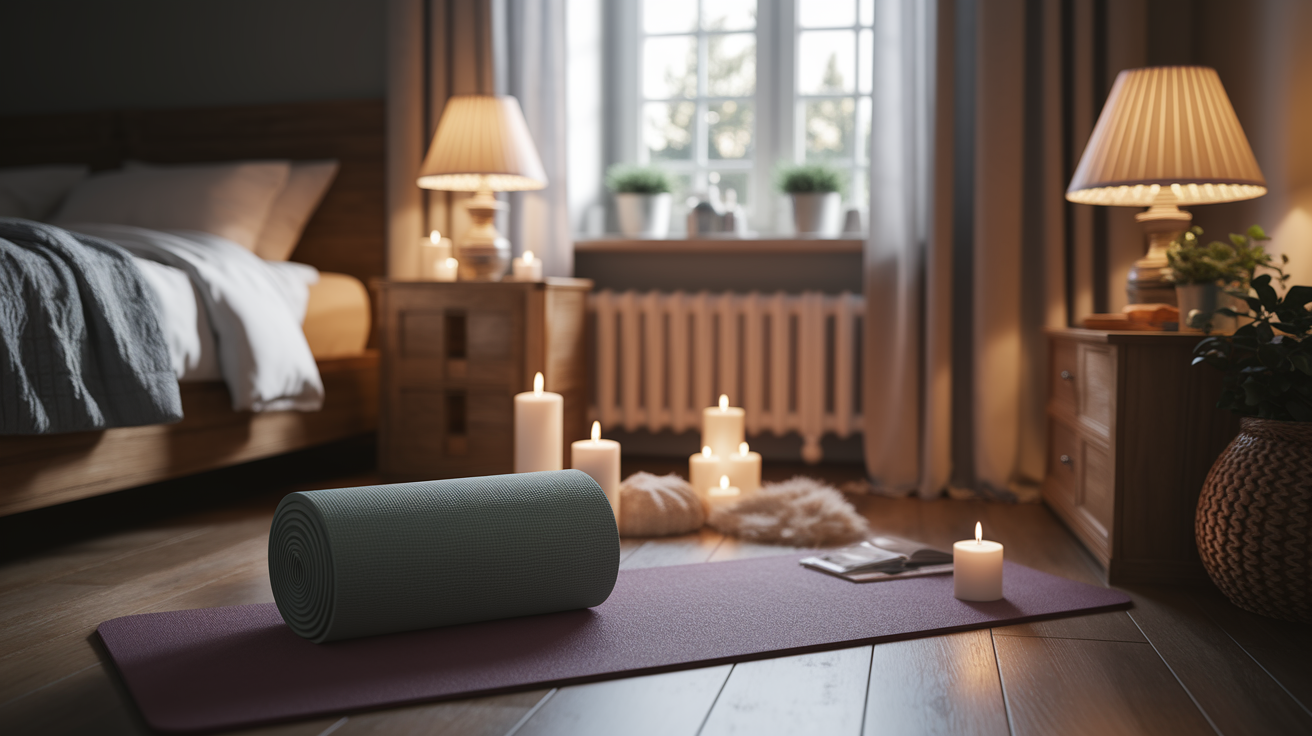
Where and how you stretch matters almost as much as the stretches themselves. Your environment sends cues to your brain about whether it’s time to wind down or stay alert. Dim the lights in the room where you’ll stretch. Bright overhead light signals daytime and keeps your brain in a more wakeful state, while soft lighting or a single lamp helps trigger melatonin production and prepares you for sleep.
Keep the space quiet or use low-volume background sound that feels calming, like gentle music or white noise. Skip anything stimulating, including screens, for at least 15 minutes before and during your routine. Wear loose, comfortable clothing that doesn’t restrict movement, and make sure the room temperature is cool but not cold. Use a yoga mat, rug, or soft surface if you’re on the floor, or do some of the stretches directly in bed if that’s easier.
Five environment tips:
- Dim or turn off overhead lights. Use a small lamp or candlelight if possible.
- Remove phones, tablets, and other screens from the space.
- Adjust the room temperature to a cool, comfortable range (around 65 to 68 degrees is ideal for most people).
- Use props like pillows, cushions, or a folded blanket to support your body in each position.
- Play soft, non-lyrical background music or nature sounds if silence feels uncomfortable.
A Beginner-Friendly Modification Guide for Evening Stretches
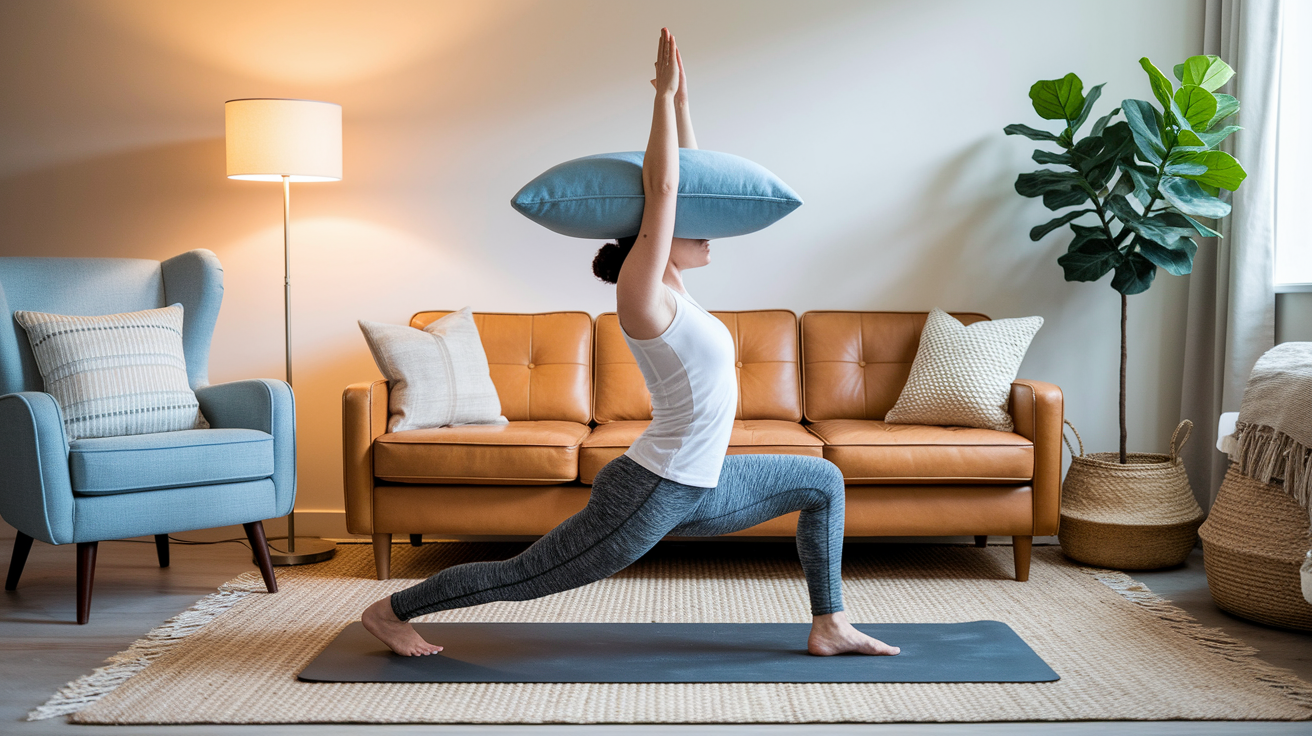
If you’re new to stretching or coming back after time away, the standard 30 to 60 second holds might feel long or uncomfortable at first. Start with 15 to 30 second holds and build up as your body adapts. Shorter holds still work for releasing tension and improving flexibility over time, and they’re way better than skipping the routine entirely because it feels too hard.
Use props freely. Put a pillow under your forehead in child’s pose, a folded blanket under your hips in seated forward fold, or a cushion between your knees in the reclined spinal twist. These small adjustments make each stretch more accessible and reduce the risk of strain. Many of these stretches can also be done in bed, which helps if getting down on the floor feels difficult or if you want to transition directly into sleep.
Five beginner modifications:
- Reduce all hold times to 15 to 30 seconds for the first week or two.
- Bend your knees in seated forward fold and downward-facing movements to reduce hamstring and lower back strain.
- Use a wall or sturdy chair for balance in standing variations of hip and leg stretches.
- Do child’s pose, spinal twists, and figure-four stretches directly in bed on a firm mattress.
- Skip any stretch that causes sharp or shooting pain. Ease back or swap it for something gentler.
Tips for Making Your Evening Stretching Routine a Consistent Habit

Consistency is what turns a one-time experiment into a nightly ritual that actually improves your sleep. The easiest way to build that consistency is to attach your stretching routine to an existing habit, like brushing your teeth or changing into pajamas. Do your stretches at roughly the same time each night so your brain starts to link the movements with the transition to sleep. Even if you can only manage five minutes on a busy night, that short session beats skipping entirely.
Track your progress in a simple way. Note the date, how long you stretched, and how you felt before and after. Over a week or two, patterns will show up. You might notice you fall asleep faster on nights you stretch, or that your back feels less stiff in the morning. Those small wins reinforce the habit and make it easier to keep going.
Six habit-building tips:
- Do your stretches at the same time each night to create a consistent sleep cue.
- Start with a shorter routine (even 5 to 10 minutes) if a full 20-minute session feels overwhelming.
- End every session with a long, calming hold like child’s pose or legs up the wall to settle your nervous system.
- Keep a brief log of how you feel before and after stretching to track improvements in sleep quality and tension relief.
- Never force a stretch to the point of pain. Ease back and adjust your position if something feels wrong.
- Be flexible with your routine on low-energy nights. Doing three stretches is better than doing none.
Stretches and Movements to Avoid in an Evening Routine

Not all stretching is sleep-friendly. Vigorous or highly dynamic movements can raise your heart rate, increase alertness, make it harder to fall asleep. Save intense stretching, deep backbends, or anything that feels like a workout for earlier in the day. The goal before bed is gentle, static stretching that calms your nervous system rather than activating it.
Skip any stretch that causes sharp, shooting, or burning pain. Discomfort is different from pain. A gentle pull or mild tension in a muscle is normal and means the stretch is working. Pain, especially sharp pain, is a signal to stop immediately and adjust your position or skip that stretch entirely. If a stretch consistently causes pain, check your form or talk to a healthcare provider to rule out an underlying issue.
Quick Reference Chart for Your Evening Stretching Routine
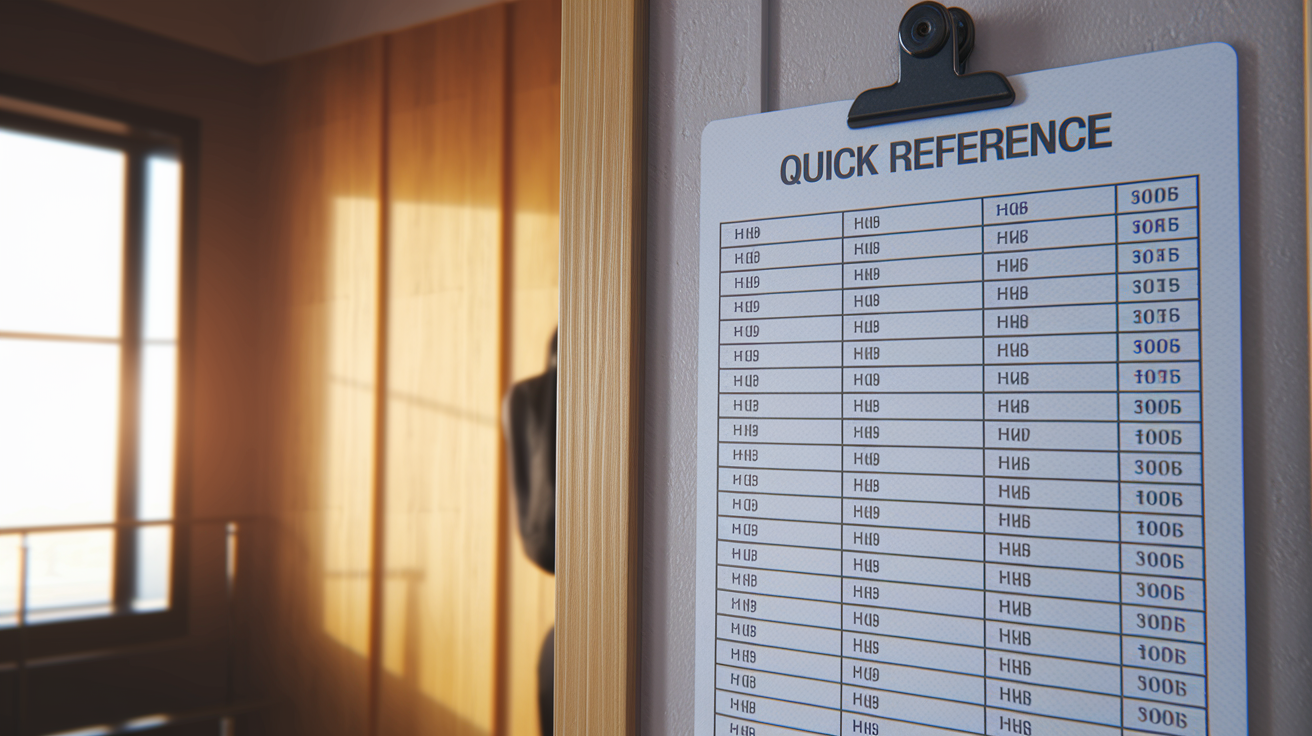
Use this table as a simple reminder of the sequence, hold times, and what each stretch targets. Keep it near your bed or save a photo on your phone so you don’t have to remember every detail while you’re winding down.
| Stretch | Hold Duration | Primary Target Area |
|---|---|---|
| Seated Forward Fold | 30–60 seconds | Hamstrings, lower back, calves |
| Legs Up the Wall | 30–60 seconds or 3–5 minutes | Hamstrings, calves, lower back, circulation |
| Child’s Pose | 30–60 seconds | Back, shoulders, neck, hips |
| Cat–Cow Flow | 1–2 minutes | Spine, upper and lower back, neck |
| Bow-and-Arrow Stretch | 30–60 seconds each side | Shoulders, upper back, chest |
| Reclined Spinal Twist | 30–60 seconds each side | Lower back, glutes, obliques, spine |
| Figure-Four Stretch | 30–60 seconds each side | Hips, glutes, piriformis, lower back |
Run through this sequence 15 to 30 minutes before you’re planning to turn off the lights. Hold each stretch for the suggested time, breathe slowly and deeply, let your body ease into stillness. Over a week or two, you’ll likely notice that falling asleep feels a little easier and waking up a little less stiff.
Final Words
Start with the 7-stretch sequence 15–30 minutes before bed. Keep the session 10–20 minutes, hold each stretch about 30–60 seconds (beginners 15–30s), and match movements to slow, steady breaths.
This post walked through the full routine, why it helps sleep and muscle recovery, form cues for each stretch, breathwork, setup tips, beginner modifications, and habit tricks. Safety first—skip any move that causes sharp pain.
Tonight, try a short 10-minute version: pick four stretches, hold 30s each, finish with legs up the wall. This simple evening stretching routine to improve sleep and recovery is easy to stick with—and it works.
FAQ
Q: How long should my nighttime stretching routine be?
A: The ideal length for a nighttime stretching routine is 10–20 minutes, done 15–30 minutes before bed. If you’re rushed, a 5–10 minute minimum effective version still helps relax muscles and mind.
Q: Which stretches should I include in an evening routine?
A: The best evening stretches include seated forward fold, legs up the wall, child’s pose, cat–cow, bow-and-arrow, reclined spinal twist, and figure-four, covering hamstrings, lower back, hips, shoulders, and relaxation.
Q: How long should I hold each stretch?
A: Hold most stretches 30–60 seconds; beginners can use 15–30 seconds. Cat–cow is a gentle 1–2 minute flow, and legs-up-the-wall can be 3–5 minutes for added relaxation.
Q: When is the best time to do these stretches before bed?
A: The best time to do evening stretches is 15–30 minutes before bed, when you can dim lights, avoid screens, and use slow breathing to help transition into sleep.
Q: How should I breathe during the stretching routine?
A: You should use diaphragmatic breathing: inhale for 4–6 seconds to prepare, exhale for 4–6 seconds to ease deeper into a stretch, coordinating breath with movement for calm.
Q: What kind of environment should I create for evening stretches?
A: Create a sleep‑boosting setup with dim light, quiet, comfortable room temperature, loose sleepwear, a mat or cushion, and no bright screens to help the nervous system downregulate.
Q: How can I modify stretches if I’m a beginner or low energy?
A: You can modify by shortening holds to 15–30 seconds, bending knees in forward folds, using pillows in child’s pose, doing poses in bed, and reducing twist range of motion.
Q: Which stretches or movements should I avoid before bed?
A: You should avoid vigorous, highly stimulating moves like deep backbends or intense quad stretches and stop any motion that causes sharp pain; prioritize gentle, calming movements instead.
Q: How does evening stretching help sleep quality and recovery?
A: Evening stretching helps sleep and recovery by lowering heart rate, activating the parasympathetic nervous system, reducing cortisol, improving circulation, and easing muscle tension from the day.
Q: What simple habits help make evening stretching a consistent habit?
A: To keep it consistent, pick a set nightly time, keep sessions short if needed, track progress, set a reminder, end with a calming pose, and use a minimum effective option on busy nights.
Q: When should I talk to a clinician about evening stretching?
A: You should talk to a clinician if you have a recent injury, surgery, chronic pain, pregnancy, or medical condition, or if stretches cause new sharp pain or unusual symptoms.