

Think snacks can’t be both filling and under 200 calories?
Here are 14 make-ahead snack ideas—Greek yogurt parfaits, turkey roll-ups, roasted chickpeas, and simple swaps—that are portable, protein-forward, and easy to portion.
Prep a few of these in one hour and you’ll have grab-and-go portions all week that curb hunger, keep calories predictable, and cut decision fatigue.
I’ll also show quick prep methods, storage rules, and low-carb or vegan swaps so you can pick a small plan and use it tonight.
Essential Make-Ahead Snack Ideas Under 200 Calories
-
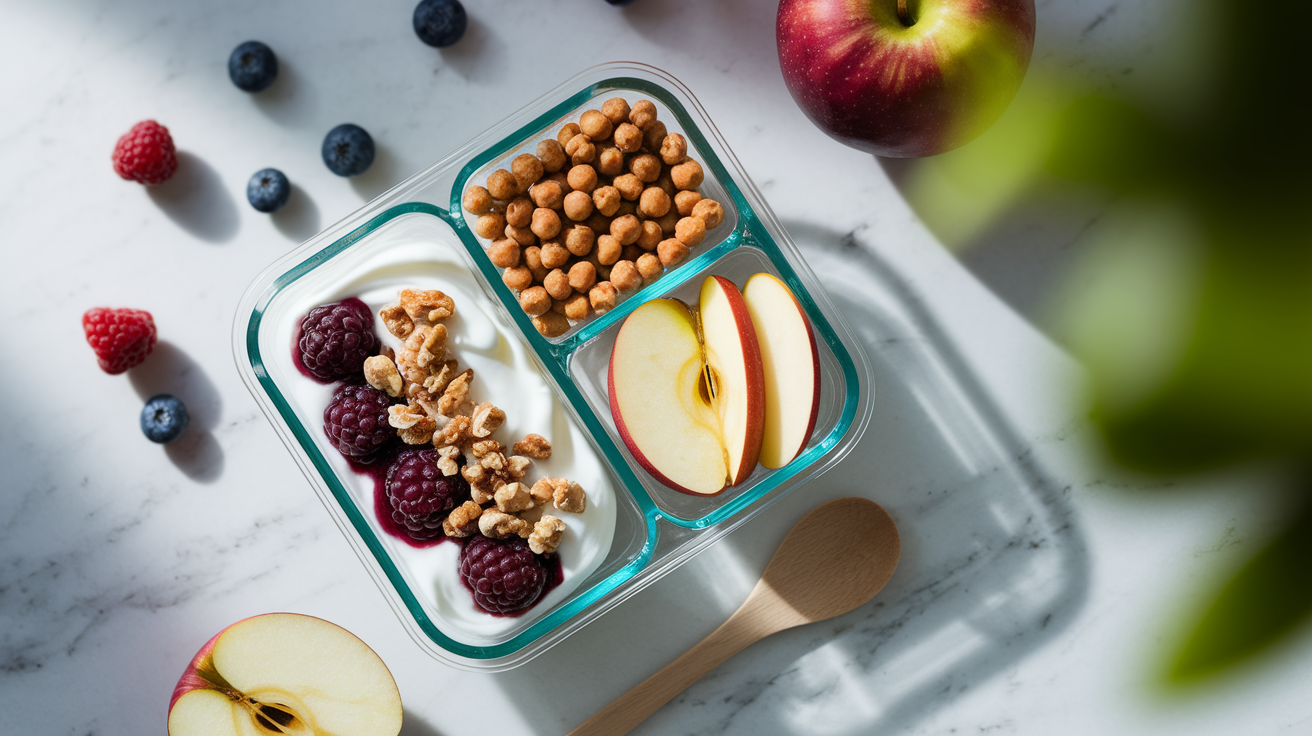
Greek Yogurt Parfait – ½ cup plain Greek yogurt + 2 tbsp crushed nuts + ¼ cup fresh or frozen fruit (approx. 180–200 kcal)
-
Turkey, Hummus & Cheese Roll-ups – 2 slices low-sodium turkey breast + 1 tsp hummus per slice + 1 string cheese (approx. 150–180 kcal)
-
KIND Bar (Dark Chocolate & Sea Salt) – 1 bar, 200 kcal, 6 g protein
-
Hummus “Deviled” Eggs – 3 hard-boiled eggs (halved, yolks removed) + 1 tbsp roasted red pepper hummus per half (approx. 180–200 kcal)
-
Spicy Oven-Toasted Chickpeas – recipe portion, 189 kcal, 7 g protein
-
Apple & Almond Butter – 1 medium apple + 1½ tbsp almond butter, 203 kcal, 6 g protein
-
Oatmeal Cookie Protein Balls – 2 balls, 188 kcal, 9 g protein
-
Edamame – 1 cup cooked edamame in pod + pinch sea salt (approx. 180–200 kcal)
-
Trail Mix – ¼ cup serving, 192–202 kcal, 6–10 g protein depending on mix
-
Goat Cheese & Strawberry Crackers – 2 high-fiber crackers + 1 tbsp goat cheese + sliced strawberries (approx. 180–200 kcal)
-
Avocado Toast with Hemp Seeds – 1 slice high-fiber bread + ⅛ avocado + 1 tbsp hemp seeds (approx. 190–200 kcal)
-
Banana & Peanut Butter – 1 small banana + 1½ tbsp peanut butter, 200 kcal
-
Cottage Cheese & Pineapple – ½ cup low-fat cottage cheese + ½ cup canned pineapple, 200 kcal
-
Tuna Salad Crackers – 4 oz canned tuna + 2 tbsp nonfat Greek yogurt + 2 tsp mustard + 4 whole grain crackers, 200 kcal
Keeping snacks around 200 calories makes tracking easier. You get enough fuel to bridge the gap between meals without accidentally turning a quick bite into a full meal. That window works whether you’re managing weight, building muscle, or just trying to stay consistent when real hunger hits during a busy week.
Protein and fiber slow things down. When you get at least 5 grams of protein and some fiber from whole grains, fruit, or vegetables, you’ll feel full longer. There’s a real difference between a handful of pretzels and a Greek yogurt parfait. An hour later, the yogurt’s still working. The pretzels? You’re probably back in the kitchen.
Pre-portioning at the start of the week removes guesswork. Pack trail mix into ¼ cup servings or divide protein balls into grab-and-go bags, and you’ve set a clear default for the days when you’re tired or rushed. Consistency comes from making the easy choice the right choice.
Quick Prep Methods for Low-Calorie Snack Assembly
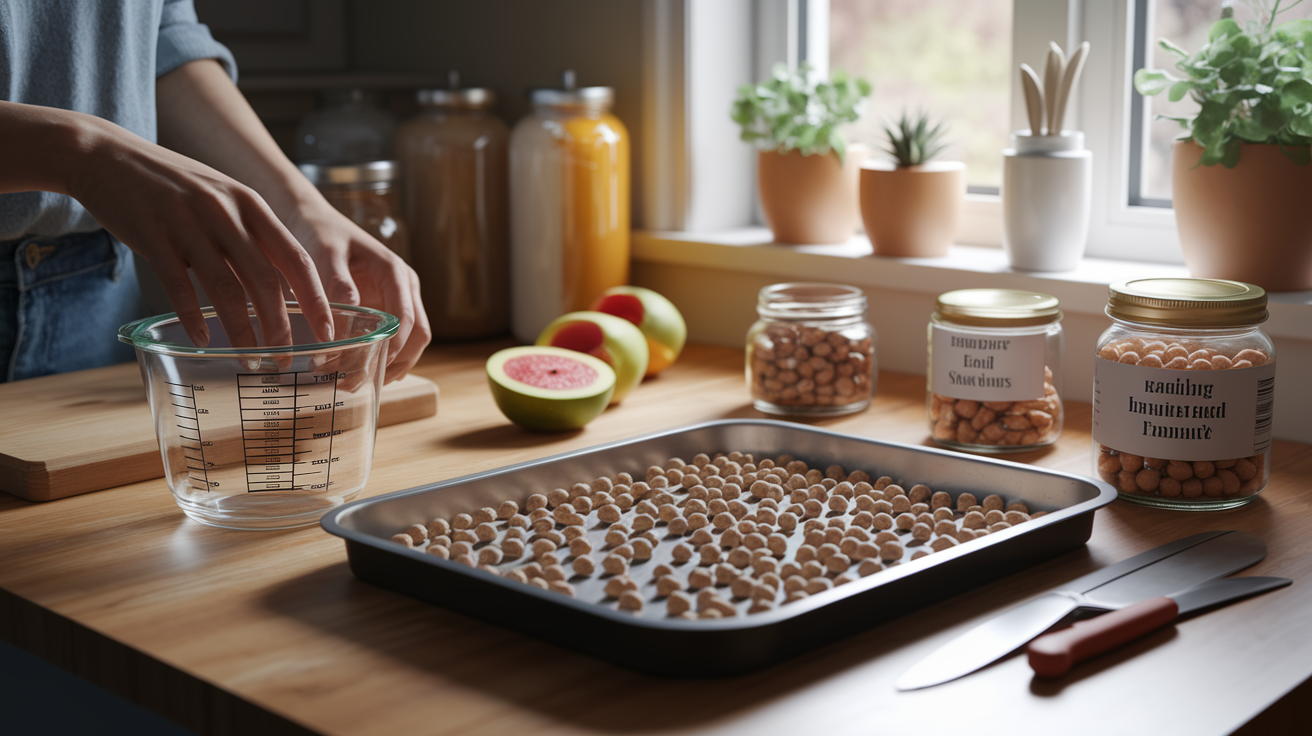
Most low-calorie snacks need two or three ingredients and minimal active time. Start with no-cook options. Pair a piece of fruit with nut butter, roll deli turkey around a cheese stick, or measure out a serving of nuts. These take less than two minutes and can be prepped in batches during a single evening.
For snacks that involve heat, keep the steps short. A sheet pan, a mixing bowl, and a measuring spoon cover most tasks. Store batches in airtight containers so you can grab one portion without re-measuring every time.
Batch-Prep Basics
Set aside one hour on a weekend to prep three or four snack types at once. Roast a full sheet of seasoned vegetables or chickpeas while you portion yogurt into small jars and slice fruit for the week. Use the same cutting board and knife for multiple tasks. Line up your storage containers before you start so everything has a home as soon as it’s ready. Freeze items you won’t eat within three days. An hour of effort turns into a week of zero-decision snacking.
High-Protein Snacks Under 200 Calories for Meal Prep
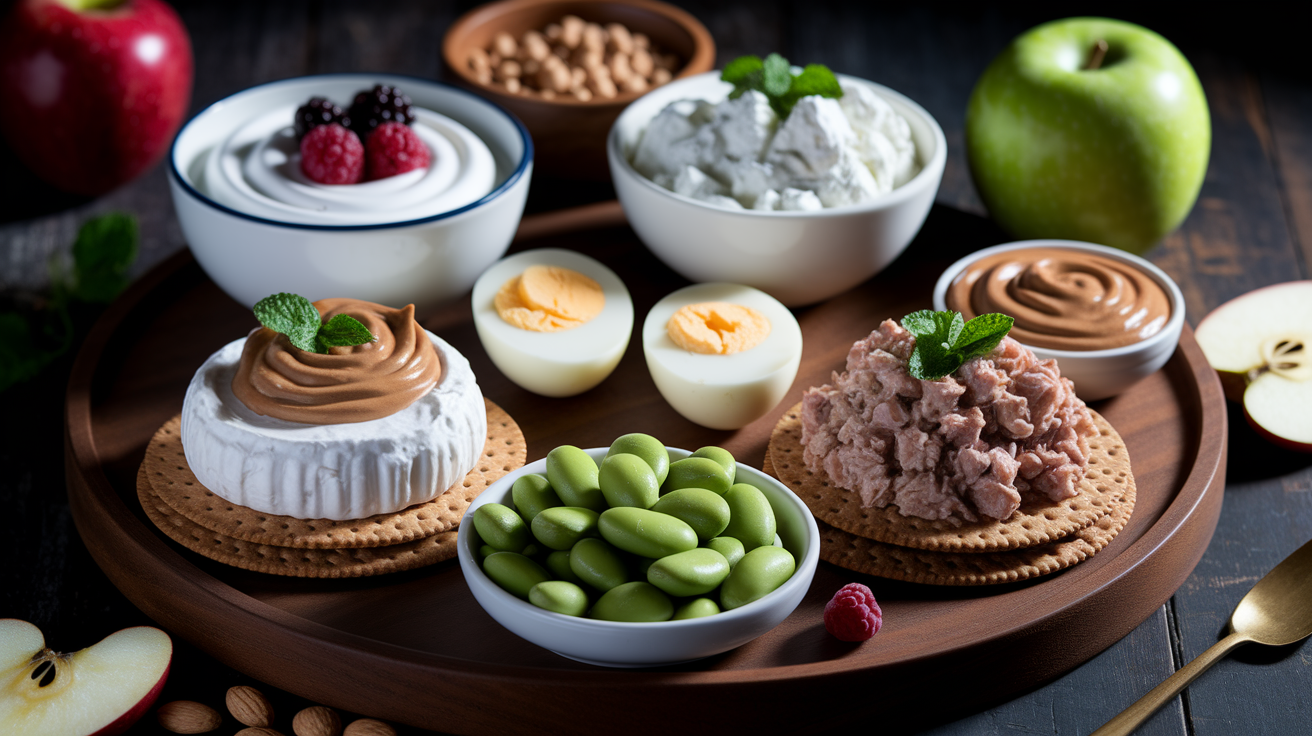
Protein keeps you fuller between meals and supports muscle recovery after workouts. Aiming for at least 5 grams per snack is a good baseline, and plenty of options easily hit 6 to 10 grams without going over 200 calories. Higher-protein snacks also take more chewing and digestion time, which naturally slows eating and gives your body a chance to register satisfaction.
When you’re planning snacks, start with a protein source and build around it. A serving of Greek yogurt, cottage cheese, or canned tuna can anchor a snack. Add texture or sweetness with a small amount of fruit, nuts, or whole grains. Tracking protein alongside calories helps you see patterns in what keeps you satisfied and what leaves you searching for a second snack an hour later.
Here are six protein-rich approaches to consider:
- Legume-based snacks like roasted chickpeas, edamame, or hummus paired with vegetables
- Dairy options such as Greek yogurt, cottage cheese, or string cheese with fruit or nuts
- Lean-meat roll-ups using turkey or chicken breast with a thin spread of hummus or mustard
- Soy-based choices including edamame or tofu cubes seasoned and baked
- Egg-based snacks like hard-boiled eggs or egg-white bites with vegetables
- Nut and seed combinations such as almond butter with apple slices or hemp seeds on toast
| Snack Style | Calories | Protein | Prep Time |
|---|---|---|---|
| Legume-based (roasted or hummus) | 180–200 | 6–10 g | 20–30 min (batch) |
| Dairy-based (yogurt or cottage cheese) | 150–200 | 8–15 g | 2 min |
| Lean-meat roll-ups | 150–180 | 10–15 g | 3 min |
| Nut or seed butter with fruit | 190–210 | 5–7 g | 2 min |
Sweet and Savory Low-Cal Snack Combinations
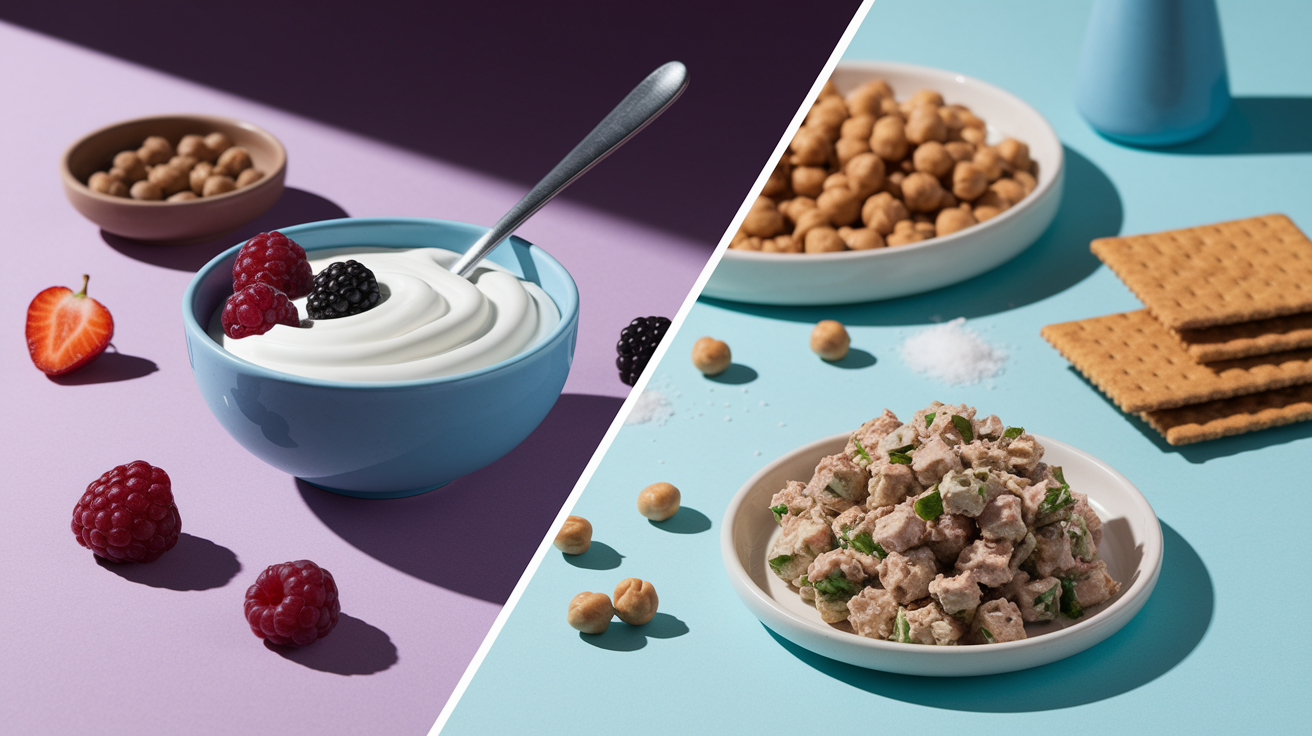
Some days you want something crisp and salty. Other days you need a hint of sweetness. Matching your snack to your craving reduces the chance you’ll eat the “right” snack and then hunt for the taste you actually wanted. Sweet options often pair creamy textures with fruit, while savory snacks lean on umami, salt, or acidic elements like mustard or vinegar.
Balancing macronutrients within a single snack improves satisfaction. A sweet snack that includes protein and a small amount of fat (like yogurt with nuts and berries) will keep you fuller than fruit alone. On the savory side, pairing a salty crunch with a protein source gives you texture and substance in one portion. Crackers with tuna salad or roasted chickpeas with sea salt both work.
When you’re building your weekly prep, include at least two sweet and two savory options so you’re not stuck with only one flavor profile. If you prep only savory snacks and then crave something sweet mid-afternoon, you’re more likely to grab whatever’s convenient instead of what fits your plan. Variety isn’t about excitement. It’s about making it easier to stick with the portions you’ve already measured.
Storage and Shelf-Life Guidance for Make-Ahead Snacks
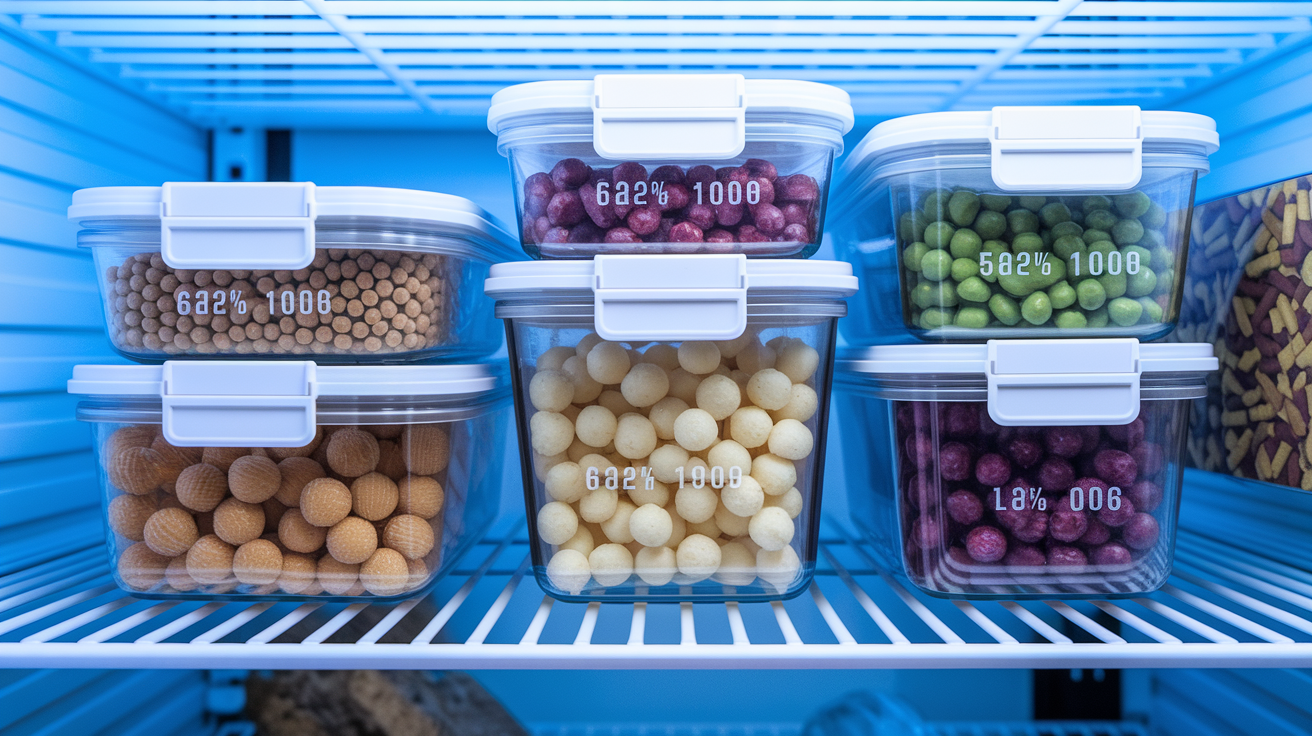
Dairy-based snacks like Greek yogurt, cottage cheese, and cheese roll-ups stay fresh for three to five days when kept cold. Portion these items on the day you grocery shop or the night before your prep session, and store them in the coldest part of your fridge, usually the back of a middle shelf. If a snack includes sliced fruit that browns quickly, add a small squeeze of lemon juice or wait to add the fruit until the morning you eat it.
Pantry-stable items (nuts, seeds, whole grain crackers, and sealed bars) can sit at room temperature for weeks as long as they’re kept dry and away from direct heat. Roasted chickpeas and baked snacks stay crisp longer if you store them in airtight containers with a small silica packet or a piece of paper towel to absorb moisture. Freezer-friendly options like protein balls, edamame, and cooked grains extend your prep window to several weeks and thaw quickly when you need them.
Here are five storage rules to follow:
- Refrigerate all dairy and fresh produce-based snacks within two hours of assembly
- Freeze portions you won’t eat within four days to preserve texture and flavor
- Use clear, labeled containers with dates so you know what to eat first
- Store nuts and seeds in the fridge or freezer to prevent oils from going rancid
- Keep baked or roasted items in airtight containers at room temperature for up to one week, or freeze for longer
Low-Carb, Vegan, and Gluten-Free Snack Prep Options
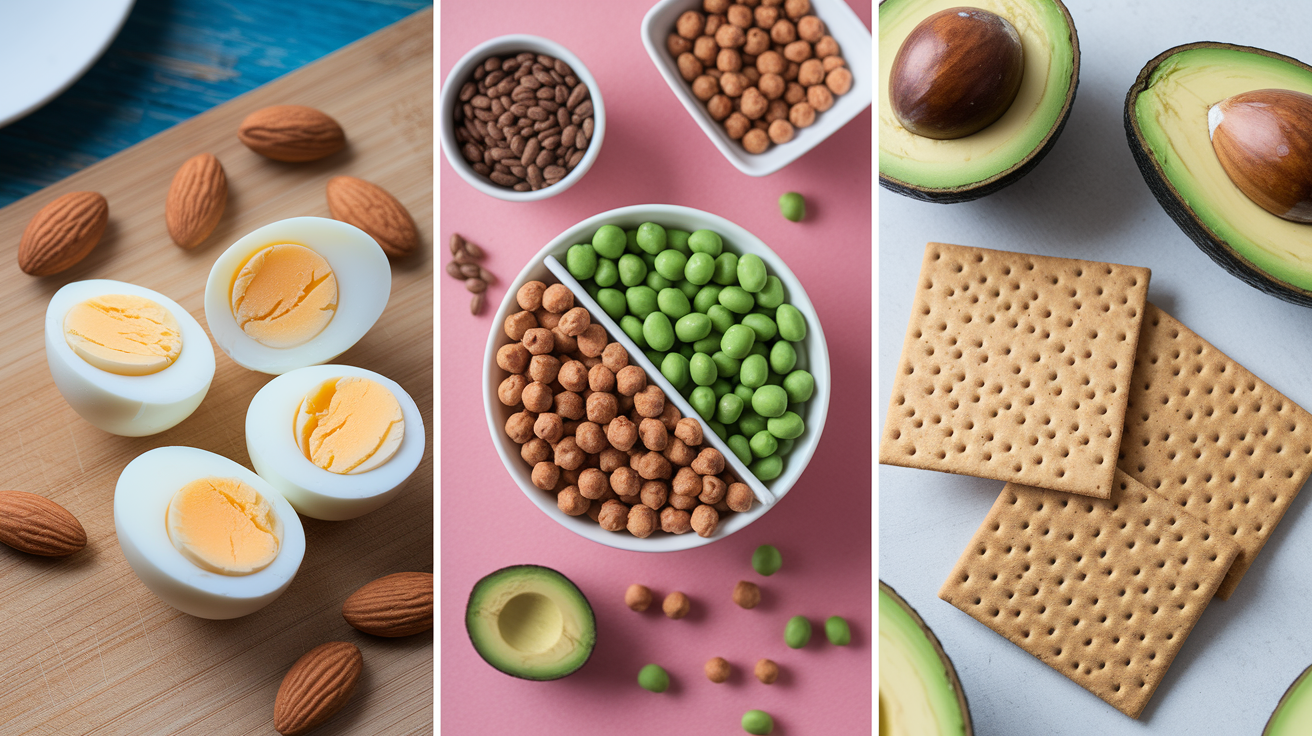
Low-carb snacks focus on protein and fat while limiting grains and starchy vegetables. These often center on eggs, cheese, nuts, seeds, and non-starchy vegetables like cucumbers or bell peppers. A typical option might be hard-boiled eggs with a small handful of almonds or sliced turkey rolled around avocado. Replace bread, crackers, and fruit with fiber-rich vegetables or higher-fat ingredients that keep you full without spiking blood sugar.
Vegan snacks rely on plant-based proteins like legumes, soy, nuts, seeds, and whole grains. Roasted chickpeas, edamame, trail mix with seeds, and nut butter paired with apple slices all fit. When choosing vegan options, aim for snacks that include a protein source and a small amount of healthy fat to improve satiety, since plant-based proteins are often less dense than animal proteins.
Gluten-free snacks avoid wheat, barley, and rye, but plenty of naturally gluten-free whole foods already fit the 200-calorie target. Fresh fruit, vegetables, yogurt, cheese, eggs, nuts, and legumes are all safe. When using packaged items like crackers or bars, check labels carefully. Gluten-free versions can sometimes be higher in sugar or fat to improve texture.
Ingredient Swap Map
If you need to adapt a snack for a dietary preference, start with the base ingredient and look for a direct substitute that delivers similar macronutrients. Swap Greek yogurt for a soy-based or coconut yogurt if you’re avoiding dairy. Replace whole grain crackers with seed crackers or sliced vegetables if you’re gluten-free. Use nutritional yeast in place of cheese for a vegan umami boost, or swap almond butter for sunflower seed butter if nuts are off the table. The goal is to keep the structure (protein plus fiber plus a small amount of fat) while changing the specific ingredients to match your needs.
Budget-Friendly Snack Prep Under 200 Calories
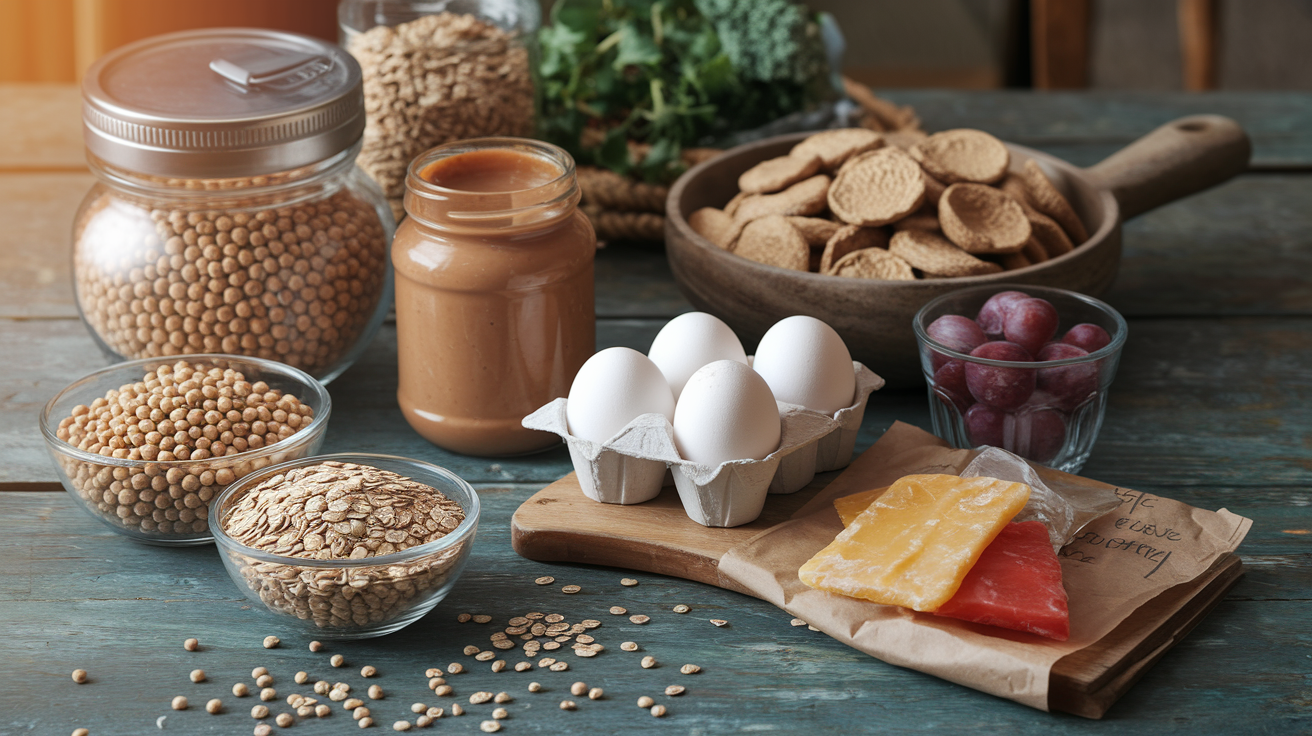
The most cost-effective snacks use shelf-stable staples, bulk purchases, and seasonal produce. Dried or canned legumes, rolled oats, peanut butter, eggs, and frozen vegetables all cost less per serving than pre-packaged snack bars or single-serve yogurt cups. When you buy larger quantities and portion them yourself, you’re paying for the food instead of the convenience packaging.
Frozen fruit and vegetables often cost less than fresh and last longer, making them ideal for weekly meal prep. A bag of frozen edamame or a container of frozen berries can anchor multiple snacks without the pressure to use everything within a few days. Canned tuna, chickpeas, and pineapple are also budget-friendly and shelf-stable, so you can stock up when they’re on sale and use them as needed.
Here are five budget-friendly ingredient categories to prioritize:
- Bulk legumes and grains – dried chickpeas, lentils, oats, and brown rice cost pennies per serving
- Frozen produce – berries, edamame, spinach, and mixed vegetables stay fresh for months
- Eggs and dairy – hard-boiled eggs and plain yogurt are inexpensive protein sources
- Peanut butter and seeds – high-calorie, high-protein, and shelf-stable for weeks
- Seasonal fresh fruit – apples, bananas, and oranges are usually affordable year-round
Portion Control and Calorie Accuracy for Snack Prep
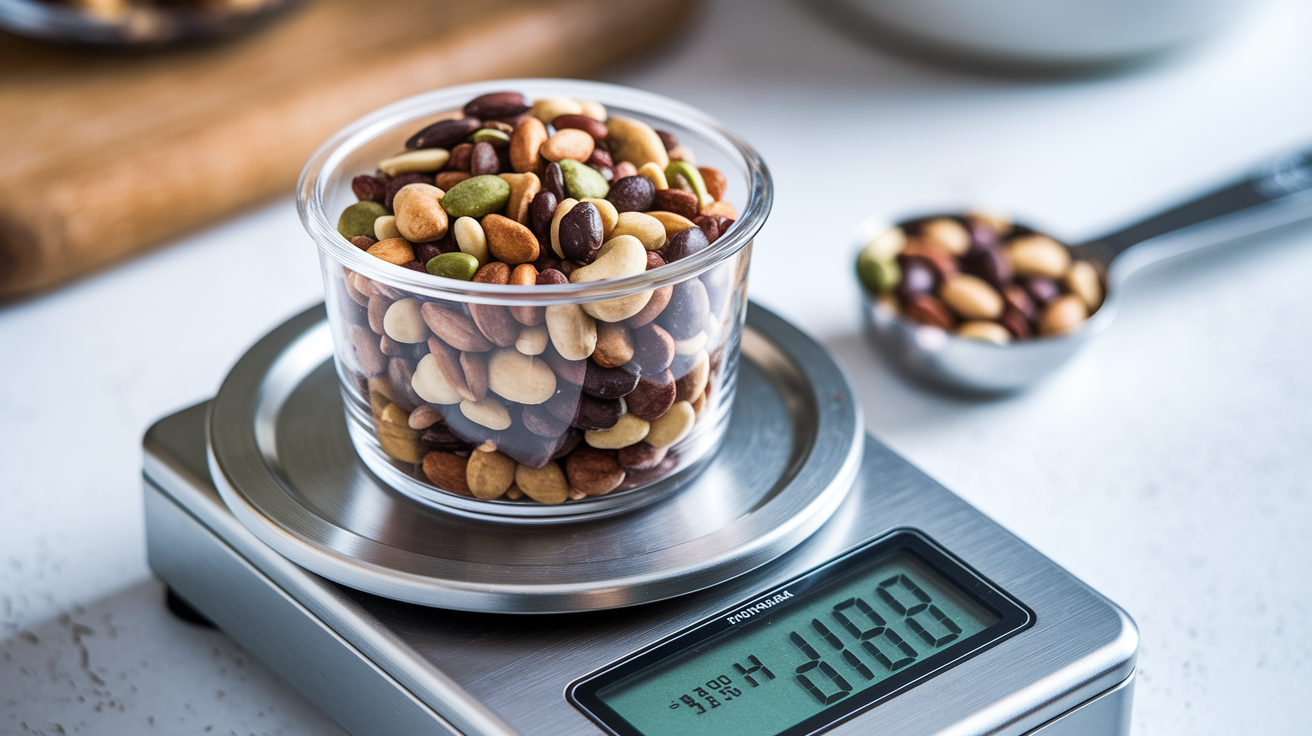
Measuring your snacks with standard tools (measuring cups, tablespoons, and a food scale) removes guesswork and helps you learn what a true portion looks like. Once you’ve weighed out ¼ cup of trail mix or 1½ tablespoons of almond butter a few times, you’ll start to recognize the portion size by sight. Until then, use the tools every time to avoid portion creep, which is when servings slowly get larger over days or weeks without you noticing.
Pre-portioning into individual containers or bags is the most reliable way to stay consistent. When you grab a snack, you’re eating what you measured on prep day, not what looks right in the moment when you’re hungry. Single-serve containers also make it easier to track your intake if you’re logging meals, since each portion is already counted.
| Snack Category | Portion Size | Calories |
|---|---|---|
| Nut or seed butter | 1½ tbsp | 140–150 |
| Nuts or seeds (whole) | ¼ cup or ~24 pieces | 170–200 |
| Greek yogurt (plain, nonfat) | ½ cup | 80–100 |
| Fresh fruit (medium piece) | 1 apple, banana, or pear | 80–100 |
| Roasted chickpeas | ½ cup | 180–200 |
| Whole grain crackers | 4–6 crackers | 80–100 |
Sample Weekly Snack Prep Rotation
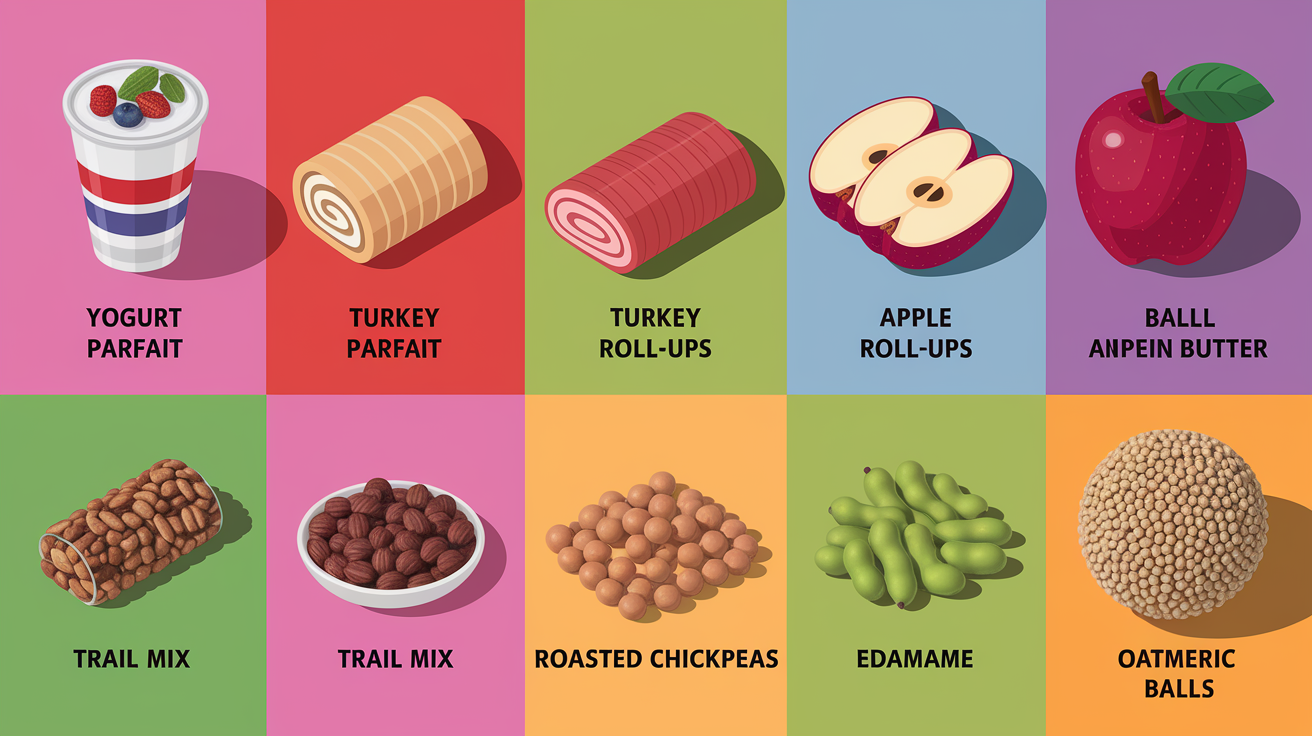
A weekly snack rotation uses a mix of fresh, frozen, and shelf-stable items so you’re not prepping everything on one day or eating the same snack seven times. Plan your rotation around what needs to be eaten first. Fresh fruit and dairy-based snacks go early in the week, frozen or pantry items later. You’ll reduce waste while keeping variety in your routine.
Here’s a seven-day snack rotation mapped to storage and prep timing:
- Monday – Greek yogurt parfait (prepped Sunday, stored cold, eat within 3 days)
- Tuesday – Turkey and cheese roll-ups (prepped Sunday, stored cold, eat within 4 days)
- Wednesday – Apple slices with almond butter (assemble morning-of or night before)
- Thursday – Trail mix, pre-portioned (shelf-stable, portioned Sunday, lasts weeks)
- Friday – Roasted chickpeas (batch-prepped Sunday, stored airtight, lasts 5–7 days)
- Saturday – Edamame (frozen, microwaved from frozen in 3 minutes)
- Sunday – Oatmeal protein balls (batch-prepped previous Sunday, frozen, thaw overnight or eat frozen)
FAQs About Meal Prep Snacks Under 200 Calories
Can snacks under 200 calories actually help with weight loss?
Yes, when snacks fit into your daily calorie target and reduce the chance of overeating at meals. A planned 200-calorie snack between lunch and dinner can prevent you from arriving at dinner so hungry that portion control goes out the window. The key is to track the snack as part of your total intake, not as an extra on top of full meals.
How much protein should a snack have to keep me full?
Aim for at least 5 grams of protein per snack. Most people notice a difference in satiety when a snack includes protein and fiber together, since both slow digestion and stabilize blood sugar. Snacks with 8 to 10 grams of protein tend to hold hunger off for two to three hours, which is enough to bridge most gaps between meals.
How long can I store prepped snacks in the fridge?
Dairy-based snacks and fresh produce combinations stay fresh for three to five days when refrigerated. Cooked proteins like hard-boiled eggs or roasted chickpeas also last about five days. If you’re prepping for a full week, freeze half your batch and thaw portions as needed.
What’s the easiest way to avoid eating more than one portion?
Pre-portion every snack into individual containers or bags before the week starts. When you grab a snack, you’re taking one pre-measured serving instead of eating directly from a large bag or jar. This removes the need to measure or make a decision when you’re already hungry.
Are low-sugar snacks better for weight loss?
Lower-sugar snacks often include more protein and fiber, which tend to keep you fuller. A snack with 10 grams of sugar from whole fruit and paired with protein will affect your hunger differently than a snack with 10 grams of added sugar and no protein. Focus on the overall macronutrient balance rather than sugar alone.
Can I meal prep snacks if I have a small fridge?
Yes. Prioritize shelf-stable and freezer-friendly options like nuts, seeds, roasted chickpeas, and protein balls. Use the fridge for only the items that must stay cold, and prep smaller batches twice a week instead of one large session. A small freezer can hold several weeks’ worth of portioned snacks in very little space.
Final Words
In the action, you have 10–14 make-ahead snacks with calories and portions plus quick prep methods, high-protein ideas, flavor pairings, storage tips, budget swaps, portion control, a weekly rotation, and FAQs.
We picked ~200 calories to help steady energy and support weight control. Protein and fiber boost fullness; pre-portioning keeps things consistent.
Try prepping three options this weekend and stash portions in the fridge or freezer. Meal prep snacks under 200 calories can be simple, satisfying, and easy to stick with—you’re set to make steady progress.
FAQ
Q: What snacks or meals can I have for 200 calories or less?
A: Snacks or small meals under 200 calories are balanced portions with protein and fiber. Try ½ cup plain Greek yogurt with berries, a small protein ball, roasted chickpea portion, or an apple with 1 tbsp almond butter.
Q: Is 200 calories ok for a snack?
A: A 200-calorie snack is generally okay for most people — it gives energy, fits weight goals, and works best when paired with protein and fiber to help you stay full until your next meal.