

Eating before bed can actually help your recovery, if you do it right.
Choose slow-digesting protein, steady carbs, and sleep-supporting micronutrients.
These small meals feed your muscles overnight, steady blood sugar, and help you sleep deeper so you wake up less groggy.
Make them simple enough to toss together in five minutes and eat 30 to 180 minutes before lights out.
This post gives portion-based, practical ideas like cottage cheese with seeds, banana and almonds, or a casein shake, so you can use them tonight and measure real recovery gains.
Fast, Actionable Pre‑Sleep Meal Ideas for Better Overnight Recovery
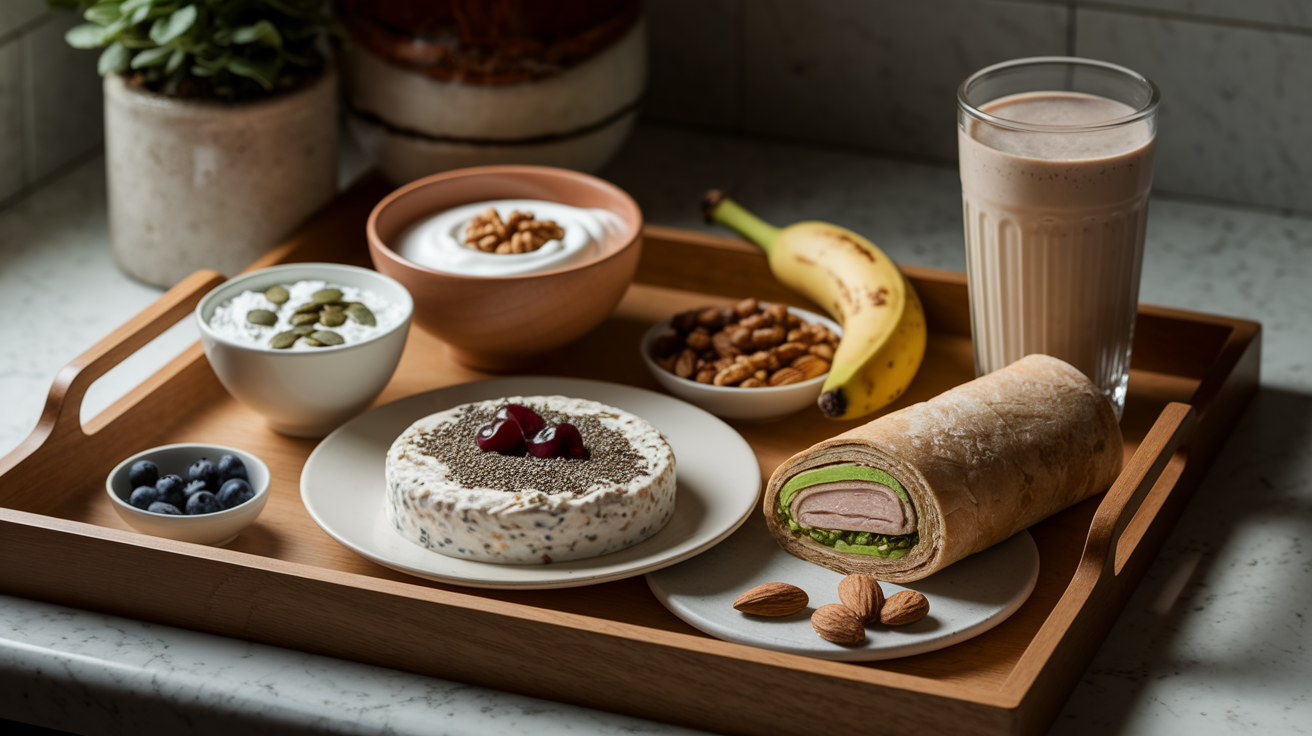
Start with a banana and one ounce of almonds. You’re getting just over 100 milligrams of magnesium and around 150 calories. Or try a cup of cottage cheese with berries and a tablespoon of pumpkin seeds. A bowl of plain Greek yogurt topped with walnuts works too. Overnight oats mixed with chia seeds and dried tart cherries. A simple turkey and avocado wrap on whole grain bread. Or a small smoothie made with frozen kiwi, tart cherry juice, and a scoop of casein protein powder. Each of these supports overnight muscle repair, stabilizes blood sugar, and delivers nutrients tied to better sleep.
These combinations work because they pair slow digesting proteins with steady release carbohydrates and key sleep supporting micronutrients. Cottage cheese and Greek yogurt contain casein, a protein that breaks down slowly and feeds amino acids to your muscles for hours while you sleep. Oats, bananas, and tart cherries add small amounts of melatonin, the hormone that regulates sleep onset. Nuts and seeds deliver magnesium, which supports muscle relaxation and deep sleep, especially if you report trouble staying asleep. Turkey and dairy both supply tryptophan, an amino acid your body uses to make serotonin and then melatonin.
The timing and simplicity matter just as much as the ingredients. You want something you can put together in five minutes or less. Ideally two to three hours before bed if it’s larger, or 30 to 60 minutes before if it’s light. The goal is to reduce hunger that wakes you up, support muscle protein synthesis overnight, and avoid digestive discomfort that keeps you awake.
Here are six simple portion based meal ideas to use tonight:
- 1 cup cottage cheese + 1 tablespoon pumpkin seeds + ½ cup berries
- 100 grams plain whole milk yogurt + 1 ounce walnuts + berries
- ½ cup dry oats (prepared as overnight oats) + 1 tablespoon chia seeds + 2 tablespoons dried tart cherries
- 3 ounces sliced turkey + ¼ avocado on 1 slice whole grain bread
- 1 banana + 1 ounce (about 23) almonds
- 20 to 30 grams casein protein powder blended with unsweetened almond milk and ½ cup frozen kiwi
Evidence Based Nutrient Categories for Better Sleep and Overnight Recovery
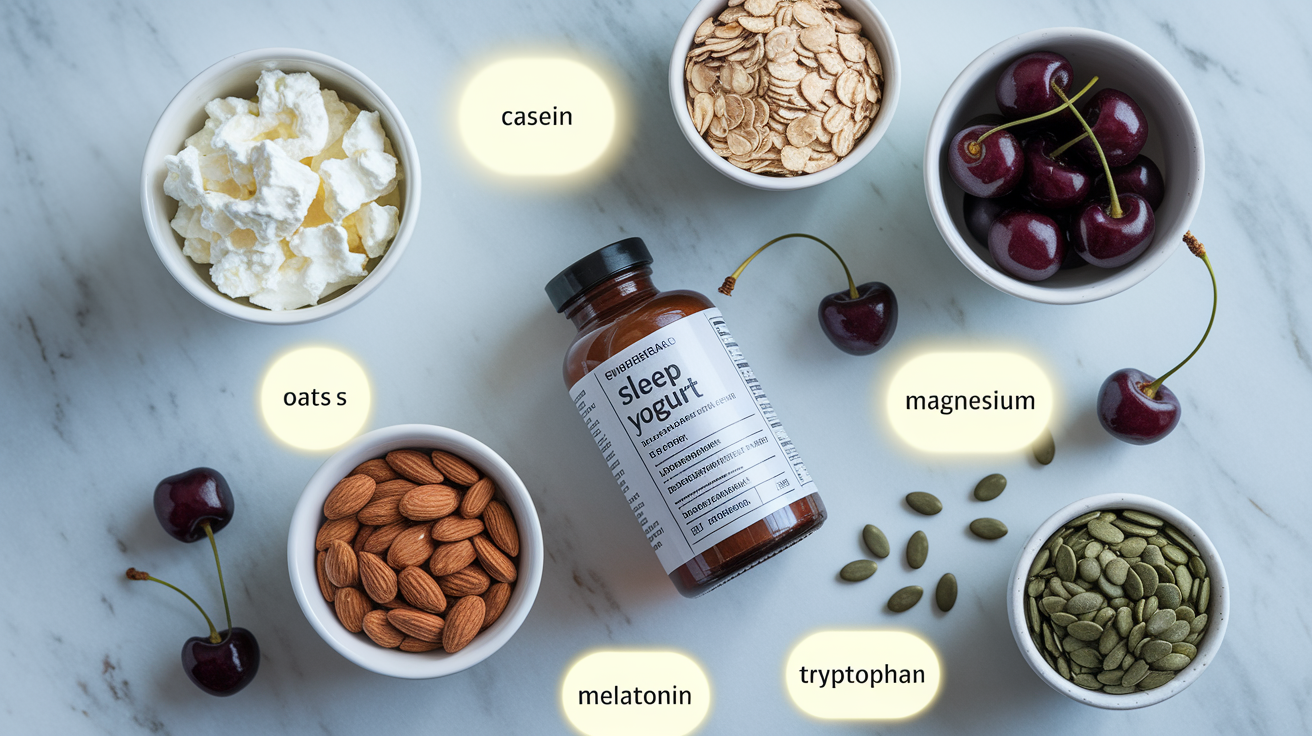
Slow Digesting Proteins
Casein protein is the main protein in milk, cottage cheese, and most plain yogurts. It forms a gel in your stomach that breaks down slowly, releasing amino acids into your bloodstream for six to eight hours. That steady supply supports muscle protein synthesis overnight, especially if you trained earlier in the day. A 2021 systematic review confirmed that pre sleep casein supplementation increases overnight muscle repair in active adults without disrupting metabolism the next morning. If you prefer whole foods, one cup of cottage cheese delivers roughly 25 grams of casein. Greek yogurt offers about 10 grams of casein per six ounce serving. If you use protein powder, mix 20 to 30 grams of casein with water or unsweetened almond milk about 30 minutes before bed.
Carbohydrates That Support Sleep and Recovery
Carbohydrates play two roles before bed. First, they help stabilize blood sugar overnight so you don’t wake up hungry or jittery. Second, they support the uptake of tryptophan into your brain, where it converts into serotonin and melatonin. Oats are a practical choice because they digest slowly, contain small amounts of melatonin, and pair well with nuts and seeds. Bananas offer natural sugars, potassium, and magnesium, all of which support muscle relaxation. Higher glycemic foods like white rice or potatoes can speed sleep onset when eaten at least one hour before bed, according to older research in athletes, though the evidence remains mixed and individual responses vary. For most people, a moderate serving of whole grain carbs or fruit two to three hours before bed hits the balance between digestive comfort and nutrient timing.
Tryptophan and Its Role in Sleep Chemistry
Tryptophan is an amino acid your body uses to make serotonin, which then converts into melatonin. You get tryptophan from turkey, dairy, eggs, pumpkin seeds, sesame seeds, and some beans. The catch is that tryptophan competes with other amino acids to cross into your brain. Eating tryptophan rich protein alongside carbohydrates helps because the carbs trigger insulin release, which clears competing amino acids from your bloodstream and gives tryptophan a clearer path. A 2013 study found that consuming pineapple, oranges, or bananas raised serum melatonin levels about two hours later. Pairing a high protein food like turkey or yogurt with a carbohydrate source at dinner or as a light snack improves the conversion pathway and supports both sleep onset and sleep quality.
Key Micronutrients for Evening Recovery
Magnesium supports muscle relaxation and deeper sleep stages. One ounce of almonds contains about 75 milligrams. A medium banana adds roughly 30 milligrams. Supplemental magnesium is often recommended before bed to improve sleep quality, but you should talk to a doctor about dosing and timing. Fatty fish like salmon, tuna, and trout deliver vitamin D and omega 3 fatty acids (EPA and DHA), which reduce inflammation and may support brain health and sleep regulation. A three ounce serving of sockeye salmon contains about 570 international units of vitamin D, roughly 71 percent of the daily value. Calcium, found in yogurt and dairy, plays a role in melatonin production and sleep architecture. One hundred grams of plain whole milk yogurt offers about 121 milligrams of calcium. Melatonin itself appears naturally in almonds, walnuts, tart cherries, and oats. Tart cherry juice has been studied for insomnia relief and reduced inflammation, with a typical dose of 30 to 60 milliliters before bed showing benefits in some trials.
Practical Portions and Timing for Maximizing Overnight Repair

Larger meals need two to three hours to move through your stomach and reduce the risk of reflux or discomfort when you lie down. Smaller snacks can be eaten 30 to 60 minutes before bed without interfering with digestion. A 2014 study in active college aged men found that a small nighttime protein or carbohydrate snack increased resting energy expenditure the next morning, suggesting that light pre sleep nutrition supports metabolic health rather than disrupting it. If you’re training hard or trying to build muscle, a casein shake or a serving of cottage cheese before bed gives you the amino acid supply your body needs for overnight repair without forcing you to wake up and eat.
For people who train most evenings, timing carbohydrates earlier in the window can help. Some research suggests eating a high glycemic index meal about four hours before bed may support faster sleep onset and more REM sleep, though individual tolerance varies. If you’re prone to reflux or feel sluggish after late meals, stick to the two to three hour rule for anything substantial and save the final hour before bed for light, easily digested snacks like a piece of fruit, a handful of nuts, or a small glass of tart cherry juice.
Track how long it takes you to fall asleep, how often you wake up during the night, and how you feel in the morning. If you notice you’re sleeping longer or waking up fewer times, the timing and portions are probably working. Some people see measurable changes in heart rate variability or recovery scores within a week of adjusting their evening nutrition.
Here are five portion based examples with timing guidance:
- Two kiwis one hour before bed (studied for four weeks, improved sleep onset and total sleep time)
- 30 to 60 milliliters of unsweetened tart cherry juice one to two hours before bed
- 100 grams plain whole milk yogurt topped with berries and one tablespoon of seeds (delivers about 121 milligrams of calcium)
- One half cup of dry oats prepared as overnight oats with one tablespoon of pumpkin or sesame seeds (tryptophan and slow carbs)
- 20 to 30 grams of casein protein powder mixed with water or unsweetened almond milk, consumed 30 minutes before bed
Foods and Behaviors to Avoid Before Bed for Better Recovery
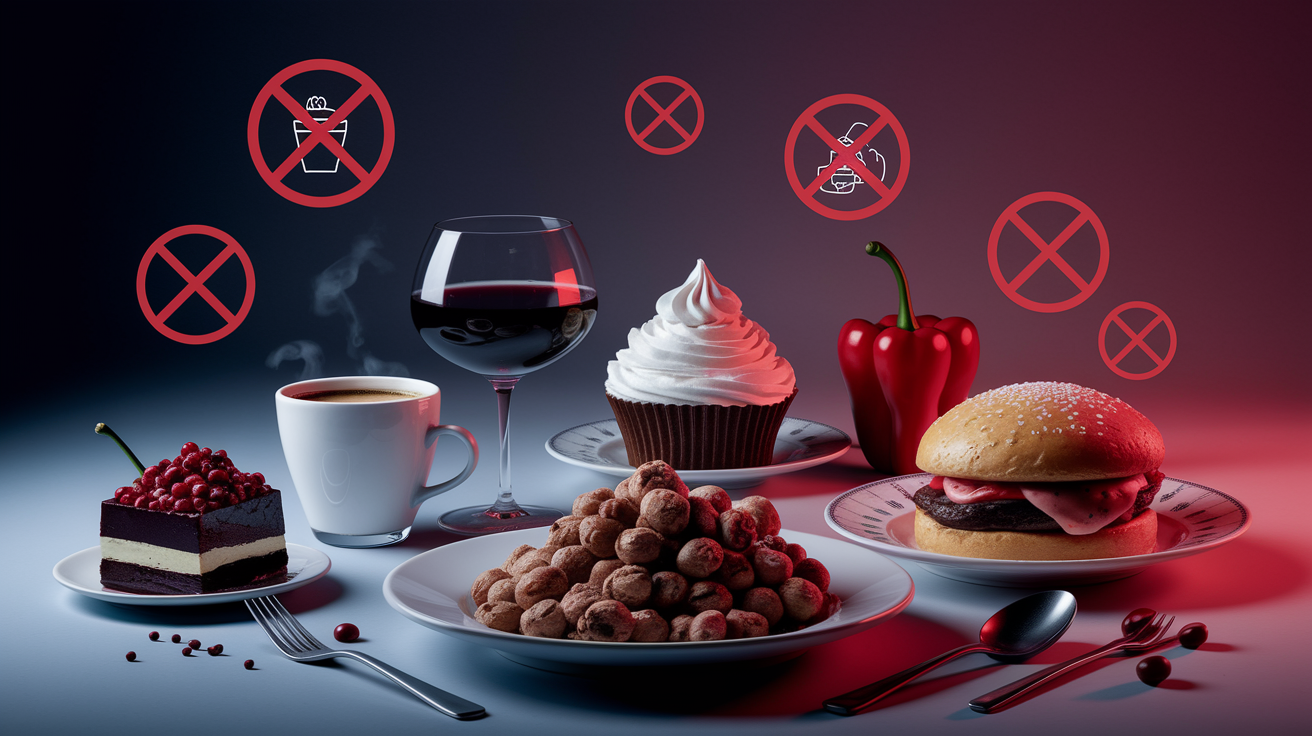
Caffeine stays in your system for four to six hours and delays sleep onset, reduces total sleep duration, and lowers perceived sleep quality. A 2017 systematic review recommended keeping total daily caffeine intake at or below 400 milligrams and avoiding it entirely in the second half of the day if you have trouble sleeping. Alcohol may help you fall asleep faster, but it shortens overall sleep time, reduces REM sleep, and increases the number of times you wake up during the night. Both substances interfere with the recovery processes your body runs overnight, including hormone regulation, muscle repair, and immune function.
Sugary foods, highly processed snacks, and diets high in added sugar are associated with poorer sleep quality and more nighttime awakenings. Spicy, fatty, and acidic foods increase the risk of reflux, especially when you lie down soon after eating. If you deal with reflux regularly, finish your last meal several hours before bed and skip common triggers like hot sauce, fried foods, mint, and citrus in the evening. High sodium foods, including many packaged snacks and restaurant meals, are linked to lower sleep quality. Choose unsalted nuts, seeds, and whole foods whenever possible, especially in the two to three hours before bed.
Avoid these five categories before bed for better recovery:
- Caffeine (coffee, tea, energy drinks, chocolate) within four to six hours of sleep
- Alcohol in the evening (disrupts REM sleep and increases night wakings)
- Sugary desserts, candy, and highly processed snacks high in added sugar
- Spicy, fatty, or acidic foods that increase reflux risk (hot peppers, fried foods, tomato sauce, citrus)
- Large, heavy meals within two hours of bed (slow digestion and cause discomfort when lying down)
Final Words
Try one of the snack ideas tonight: cottage cheese + berries, Greek yogurt + pumpkin seeds, oatmeal with chia, turkey + avocado, banana + almonds, or a tart cherry smoothie.
These choices pair slow‑digesting protein, steady carbs, and sleep‑friendly micronutrients like magnesium and melatonin. Time bigger meals 2–3 hours before bed and small snacks 30–60 minutes before sleep.
Start small, note how you feel in the morning, and adjust. You now have practical pre-sleep meal ideas to support overnight recovery—keep it simple and consistent.
FAQ
Q: What to eat before bed for a good night’s sleep and for muscle recovery?
A: The best foods to eat before bed for sleep and muscle recovery are a small serving of slow‑digesting protein plus sleep‑supporting carbs and nutrients — think cottage cheese or casein shake, Greek yogurt with berries, oats with chia.
Q: What is the 10 5 3 2 1 rule for sleep?
A: The 10-5-3-2-1 rule for sleep is a simple wind‑down checklist: commonly stop caffeine about 10 hours out, avoid big meals 3–5 hours before, pause work/alcohol 2–3 hours, and turn off screens 1 hour prior.
Q: What to eat before sleeping after a night shift?
A: After a night shift, eat a small, easy-to-digest protein-plus-carb snack before sleep — Greek yogurt with banana, turkey on toast, or a tart cherry smoothie — and skip heavy, greasy meals and late caffeine.