

What if you could set dinner for the whole week in one afternoon — and keep each meal under 450 calories?
No guessing, no takeout, no last-minute scrambling.
In this guide you’ll find fast, low-calorie freezer-friendly meals (250–450 calories per serving), plus simple steps for portioning, freezing, and reheating.
I’ll share breakfasts, lunches, and dinners that reheat well, a short shopping list, and the easiest way to label and store single servings.
Take one afternoon, save hours all week.
Fast, Low-Calorie Freezer Meal Prep Options That Save Time
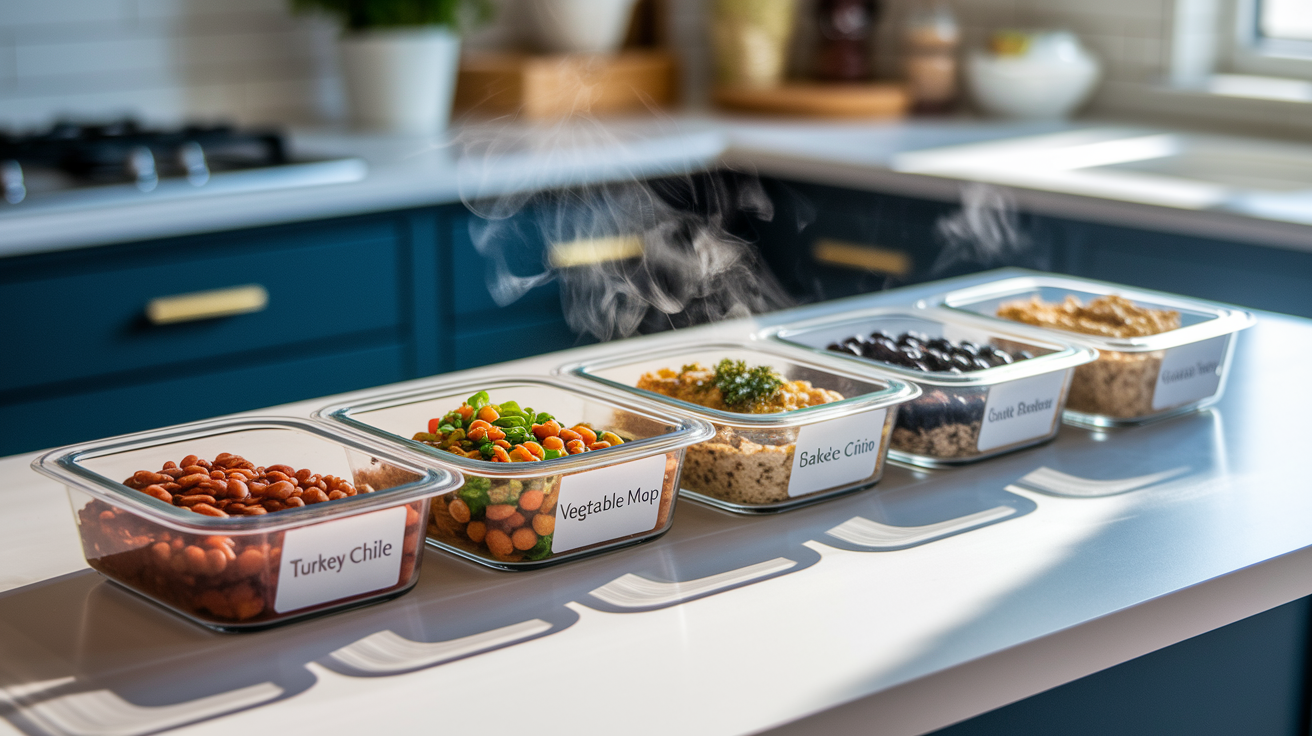
A low-calorie freezer meal sits somewhere between 250 and 450 calories per serving and comes back to life after you thaw and reheat it. You’re looking at lean proteins, non-starchy vegetables, and measured portions of whole grains or legumes. That calorie range gives you breathing room for snacks or sides without blowing past your daily target. Most of these meals take 20 to 75 minutes to prep, though a few outliers like tamales can stretch closer to two hours.
Single-serving containers make everything simpler. When you divide a casserole or soup into individual portions before freezing, you don’t need to guess at mealtime. A pre-portioned container labeled with the date and calorie count takes one decision off your plate. Grab, reheat, go. This also cuts down the risk of eating straight from a larger container and losing track of how much went in.
Soups, casseroles, and grain bowls freeze best because they hold moisture and reheat evenly. Soups and stews stay good for three to four months in the freezer, while baked casseroles and grain-based dishes last two to three months. Those timelines assume you’ve cooled the food to room temperature within two hours of cooking and stored it in airtight, freezer-safe containers. Flash-freezing items like meatballs or portioned patties on a tray for an hour before bagging stops them from clumping and pushes shelf life a bit longer.
Six reliable low-calorie freezer-friendly meal types:
- Turkey chili with beans and diced tomatoes (around 314 calories per serving)
- Vegetable lentil soups with low-sodium broth (as low as 200 calories per serving)
- Blueberry or apple baked oatmeal cups (approximately 180 calories each)
- Chicken and quinoa casseroles with mixed vegetables (about 370 calories per portion)
- Lean beef or turkey stuffed peppers with brown rice and tomato sauce
- Stir-fry kits portioned with pre-cooked protein, sliced vegetables, and a small container of light sauce
Freezer-Friendly Ingredients for Low-Calorie Meal Prep
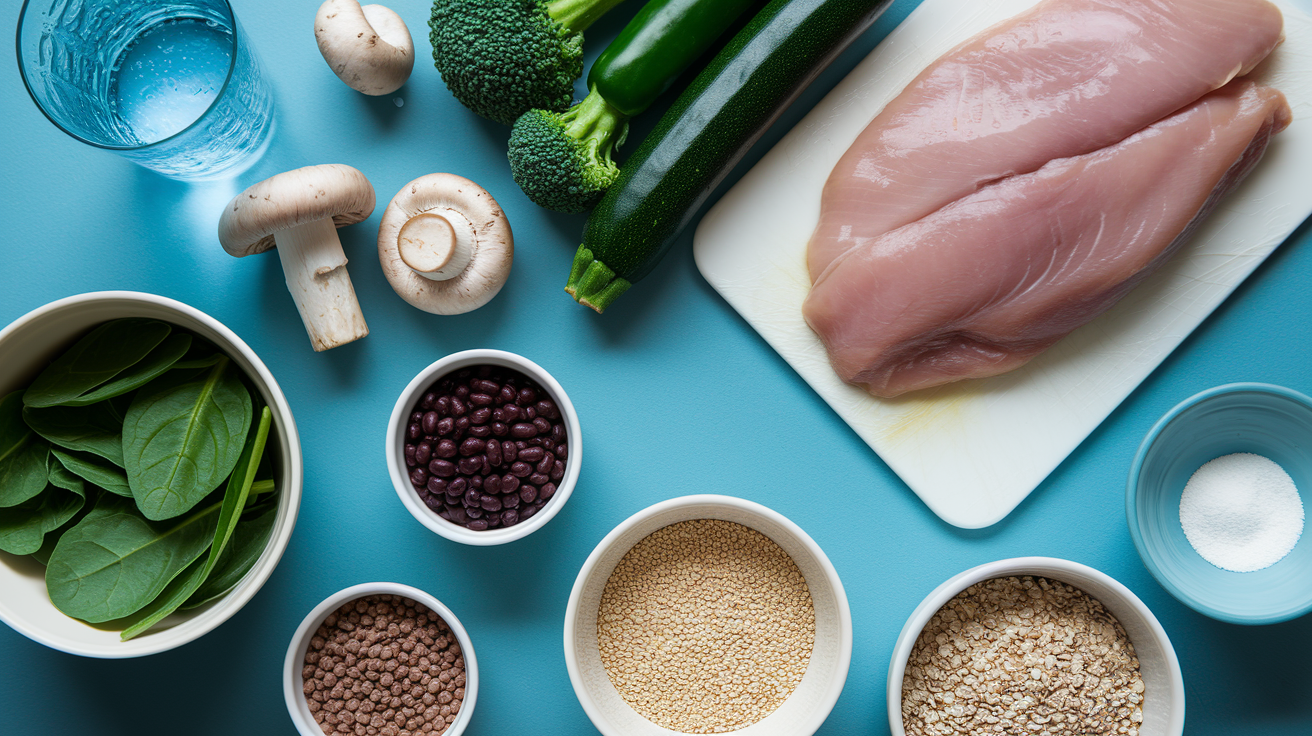
Start with ingredients that deliver volume, nutrition, and texture after a freeze-thaw cycle. Non-starchy vegetables like zucchini, carrots, spinach, broccoli, bell peppers, mushrooms, and cabbage add bulk and fiber for minimal calories. Lean proteins such as chicken breast, turkey, tofu, shrimp, and white fish hold up when frozen and reheated. Legumes in moderate portions (lentils, black beans, chickpeas) bring both protein and fiber, though you’ll want to measure servings to keep calories in check. Whole grains like quinoa, brown rice, oats, and farro freeze well when cooked and cooled completely before packing.
Combining protein, fiber, and a small amount of healthy fat in each meal keeps you fuller on fewer calories. A serving of baked chicken breast (about 165 calories for 4 ounces) paired with a cup of roasted broccoli (55 calories) and half a cup of quinoa (111 calories) delivers roughly 331 calories with 30 grams of protein and 6 grams of fiber. Adding a teaspoon of olive oil for roasting or a tablespoon of tahini-based dressing adds flavor without pushing the total past 400 calories. High-calorie ingredients like full-fat cheese, heavy cream, butter, bacon, and nut butters should appear in measured amounts. Enough for taste, not enough to double the calorie count.
Eight ingredients that retain flavor and texture after freezing:
- Cooked chicken breast, diced or shredded
- Ground turkey or lean ground beef, browned and drained
- Bell peppers, sliced or diced
- Spinach, blanched and squeezed dry
- Cooked lentils or black beans
- Cooked quinoa or brown rice
- Low-sodium vegetable or chicken broth
- Diced tomatoes (canned or fresh, cooked down)
Low-Calorie Breakfasts That Freeze and Reheat Perfectly
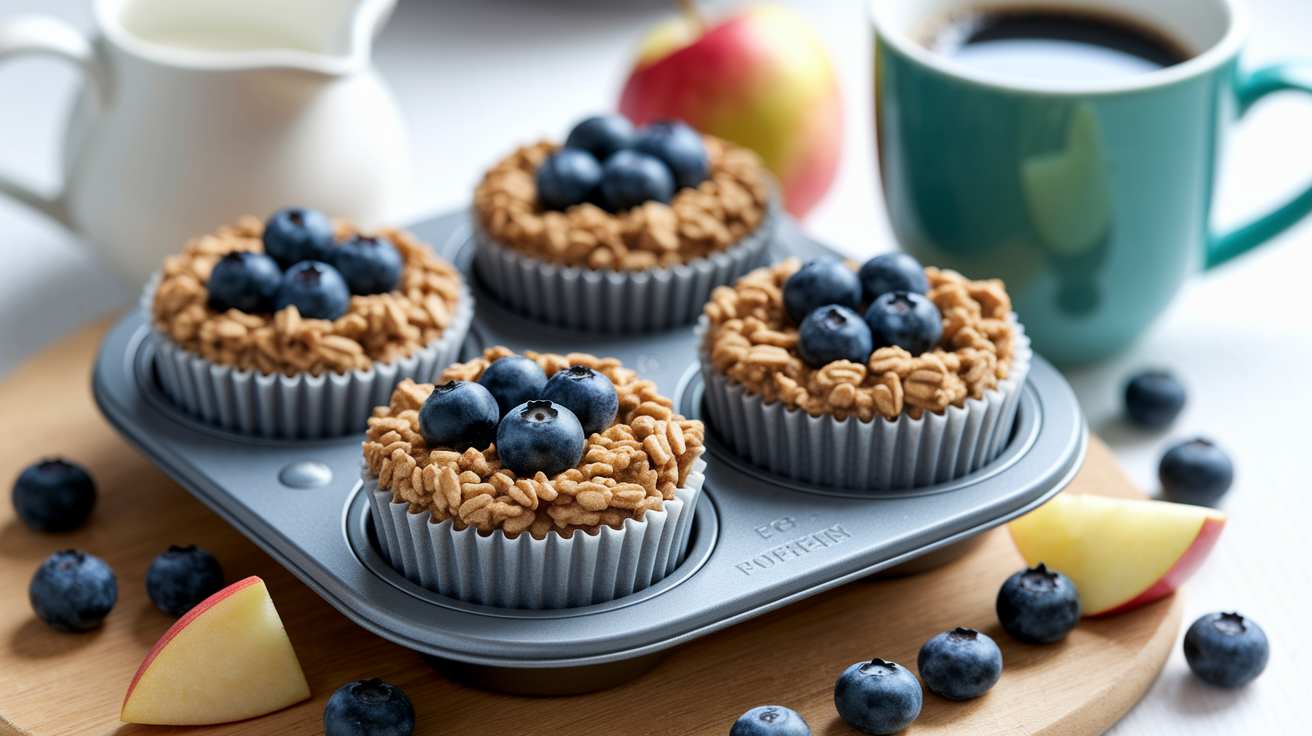
Freezer-friendly breakfasts remove the morning scramble and keep you on track when time’s tight. Most breakfast items freeze for two to three months and reheat in 60 to 90 seconds in the microwave. Portioning breakfasts into single servings before freezing makes sure you’re not eating two or three at once out of convenience. When calorie targets sit between 180 and 350 per breakfast, you’ve got room for a mid-morning snack or a larger lunch.
Baked Oatmeal Cups
Baked oatmeal cups typically deliver around 180 calories each when made with rolled oats, unsweetened almond milk, egg, and a small portion of fruit like blueberries or diced apple. Mix three cups of rolled oats with two cups of milk, two beaten eggs, and one cup of fruit, then bake in a muffin tin at 375°F for 25 minutes. Cool completely, wrap each cup individually in plastic wrap or stack in a freezer bag with parchment paper between layers, and freeze for up to three months. Reheat one cup in the microwave for 60 to 90 seconds or in a 350°F oven for 12 to 15 minutes.
Egg Muffins
Egg muffins combine beaten eggs with diced vegetables (spinach, bell peppers, mushrooms, onions) and a small amount of reduced-fat cheese. Pour the mixture into a greased 12-cup muffin tin and bake at 350°F for 20 to 25 minutes. Each muffin typically ranges from 70 to 90 calories, so two muffins make a 140 to 180 calorie breakfast. Cool, place in a freezer bag, and store for two to three months. Reheat two muffins in the microwave for 60 to 90 seconds or until the internal temperature reaches 165°F.
Breakfast Burritos
Breakfast burritos can stay under 450 calories when you use a whole-wheat tortilla (about 120 calories), scrambled egg whites or one whole egg (70 to 90 calories), a quarter cup of black beans (60 calories), two tablespoons of salsa (10 calories), and a small handful of reduced-fat cheese (50 calories). Assemble, wrap each burrito tightly in foil or plastic wrap, and freeze individually. Reheat from frozen in the microwave for two to three minutes, flipping halfway, or bake at 350°F for 20 to 25 minutes if you prefer a crispier tortilla.
Low-Calorie Freezer-Friendly Lunches for Workdays
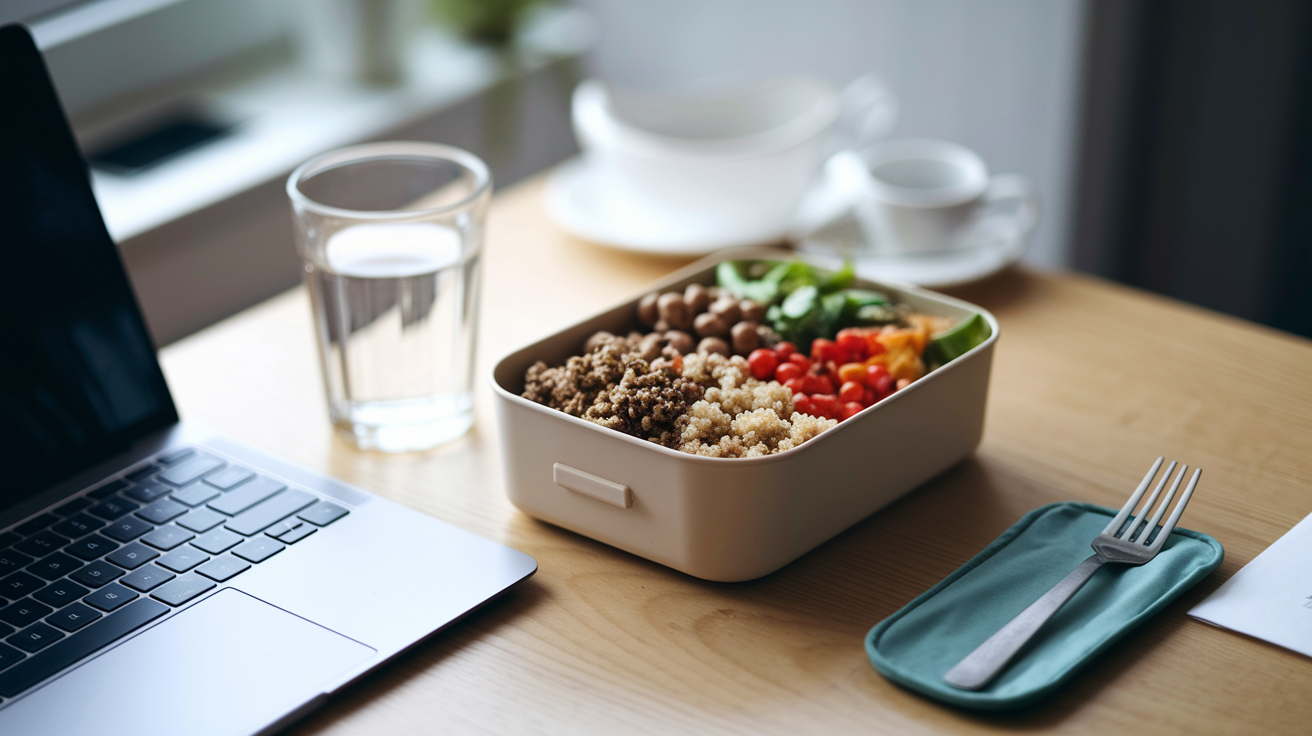
Portable frozen lunches simplify workday eating and shut down the temptation to order takeout. Soups, grain bowls, and vegetable-forward casseroles reheat evenly and travel well in insulated lunch bags with a small ice pack. Most lunch options in this category land between 200 and 370 calories per serving, leaving room for a piece of fruit or a small side salad. Freezer-friendly grain bowls often combine cooked quinoa or brown rice with roasted vegetables and a lean protein, while soups rely on broth, legumes, and non-starchy vegetables for volume.
A vegetable lentil soup made with one cup of dried brown lentils, four cups of low-sodium vegetable broth, two cups of diced carrots and celery, and one can of diced tomatoes yields six servings at roughly 200 calories each. Cook the lentils and vegetables until tender (about 30 minutes of simmering), cool to room temperature, and portion into 2-cup freezer-safe containers. Freeze for three to four months. Reheat on the stovetop for 10 to 12 minutes from thawed or 15 to 20 minutes from frozen, stirring occasionally. Italian wedding soup with turkey meatballs, spinach, and orzo delivers around 351 calories per serving and follows the same freeze-and-reheat steps.
Chicken and quinoa veggie bakes offer a heartier lunch at approximately 370 calories per portion. Combine one pound of cooked diced chicken breast, two cups of cooked quinoa, three cups of mixed vegetables (broccoli, bell peppers, zucchini), and one cup of low-fat tomato sauce. Mix, divide into four single-serving containers, and freeze for two to three months. Reheat in the oven at 350°F for 25 to 30 minutes from frozen, or microwave for five to seven minutes at medium power, stirring halfway.
| Lunch Option | Typical Calories | Best Storage Duration |
|---|---|---|
| Vegetable Lentil Soup | ~200 per serving | 3–4 months |
| Italian Wedding Soup | ~351 per serving | 3–4 months |
| Chicken Quinoa Veggie Bake | ~370 per serving | 2–3 months |
| Turkey & Black Bean Burrito Bowl | ~320 per serving | 2–3 months |
Low-Calorie Dinner Freezer Meals for Busy Evenings
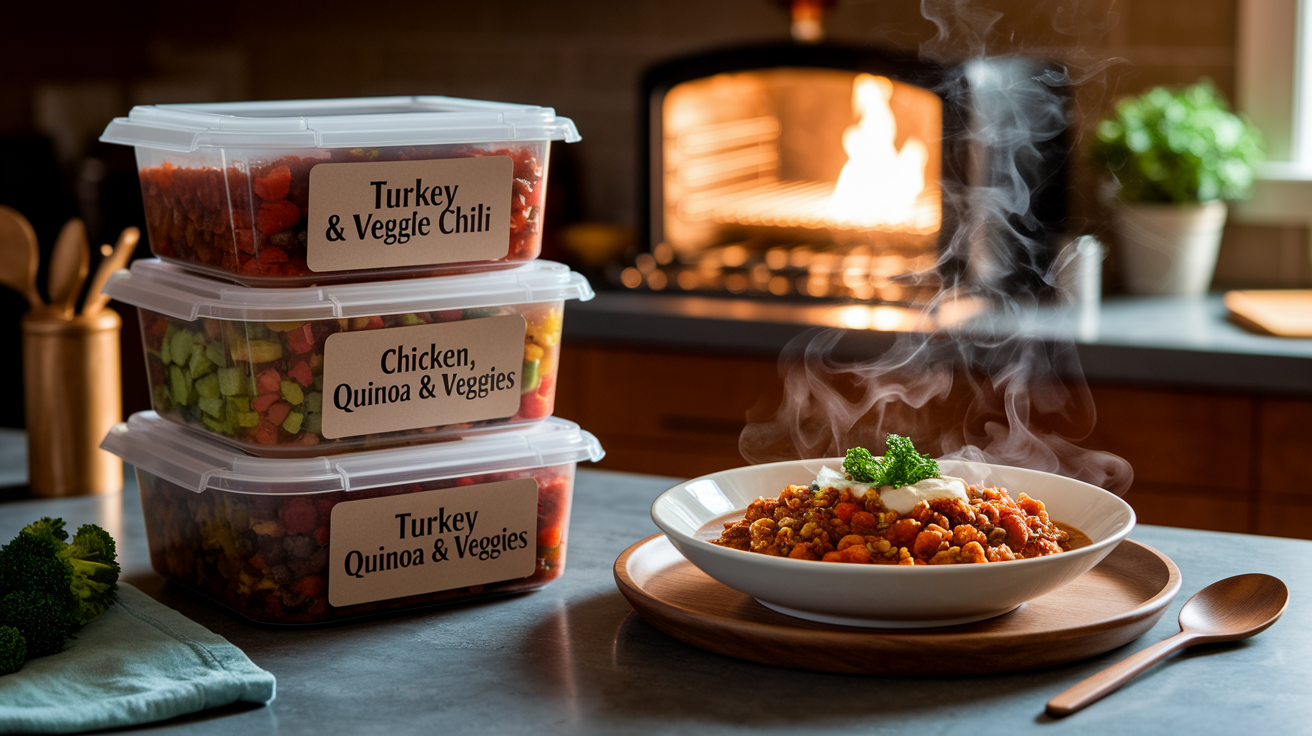
Dinner freezer meals remove the 6 p.m. decision fatigue and keep you from defaulting to high-calorie convenience foods. Most low-calorie dinner options in the 250 to 370 calorie range pair a palm-sized portion of lean protein with a fist-sized portion of complex carbohydrates and at least two cups of non-starchy vegetables. Freezing these meals in individual containers means you can pull one serving at a time and reheat without opening a larger batch.
Turkey & Veggie Chili
Turkey chili with beans, tomatoes, and bell peppers delivers around 314 calories per serving and takes about 75 minutes from start to finish. Brown one pound of lean ground turkey, add diced onions, bell peppers, and garlic, then stir in one can of black beans, one can of kidney beans, one can of diced tomatoes, and two tablespoons of chili powder. Simmer for 45 minutes, cool, and portion into six containers. Freeze for three to four months. Reheat on the stovetop for 10 to 15 minutes from thawed or 15 to 20 minutes from frozen.
Chicken, Quinoa & Vegetable Bake
This casserole clocks in at roughly 370 calories per serving and bakes in 20 minutes. Combine one pound of cooked diced chicken breast, two cups of cooked quinoa, three cups of mixed vegetables (broccoli, carrots, bell peppers), and one cup of low-fat marinara or tomato sauce. Divide into four oven-safe containers, freeze for two to three months, and reheat at 350°F for 25 to 30 minutes from frozen or microwave for five to seven minutes.
Seafood Veggie Packs
Portioned packs of raw shrimp or white fish fillets with sliced bell peppers, snap peas, and a small container of light teriyaki or lemon-herb sauce freeze well and cook quickly from frozen. A typical serving of four ounces of shrimp (about 120 calories) plus two cups of vegetables (roughly 60 calories) and one tablespoon of sauce (20 to 40 calories) totals 200 to 220 calories. Store in individual freezer bags for up to two months, then bake from frozen at 400°F for 15 to 18 minutes or pan-sear from frozen over medium-high heat for eight to ten minutes.
Lean Meatball Freezer Prep
Turkey or chicken meatballs made with grated zucchini and whole-wheat breadcrumbs deliver approximately 280 calories for a three-meatball serving. Mix one pound of lean ground turkey with one cup of grated zucchini, half a cup of whole-wheat breadcrumbs, one egg, and seasonings. Form into 24 meatballs, bake at 375°F for 20 minutes, cool, and flash-freeze on a tray for one to two hours. Transfer to a freezer bag and store for up to three months. Reheat in the oven at 350°F for 15 to 20 minutes or microwave at 70 percent power for three to four minutes.
Four practical dinner add-ins to freeze separately:
- Fresh herb cubes: blend parsley, cilantro, or basil with a tablespoon of water, freeze in ice-cube trays, and add one cube to soups or stir-fries for 5 calories
- Homemade broth cubes: freeze leftover low-sodium broth in ice-cube trays for quick flavor boosts (10 calories per cube)
- Pre-chopped veggie packs: portion diced onions, bell peppers, and celery into half-cup servings (20 to 30 calories each) for fast meal assembly
- Light tomato sauce: simmer crushed tomatoes with garlic and oregano, cool, freeze in half-cup portions (about 40 calories per serving) for pasta, casseroles, or pizza bases
Freezer Meal Containers, Portioning, and Storage Times
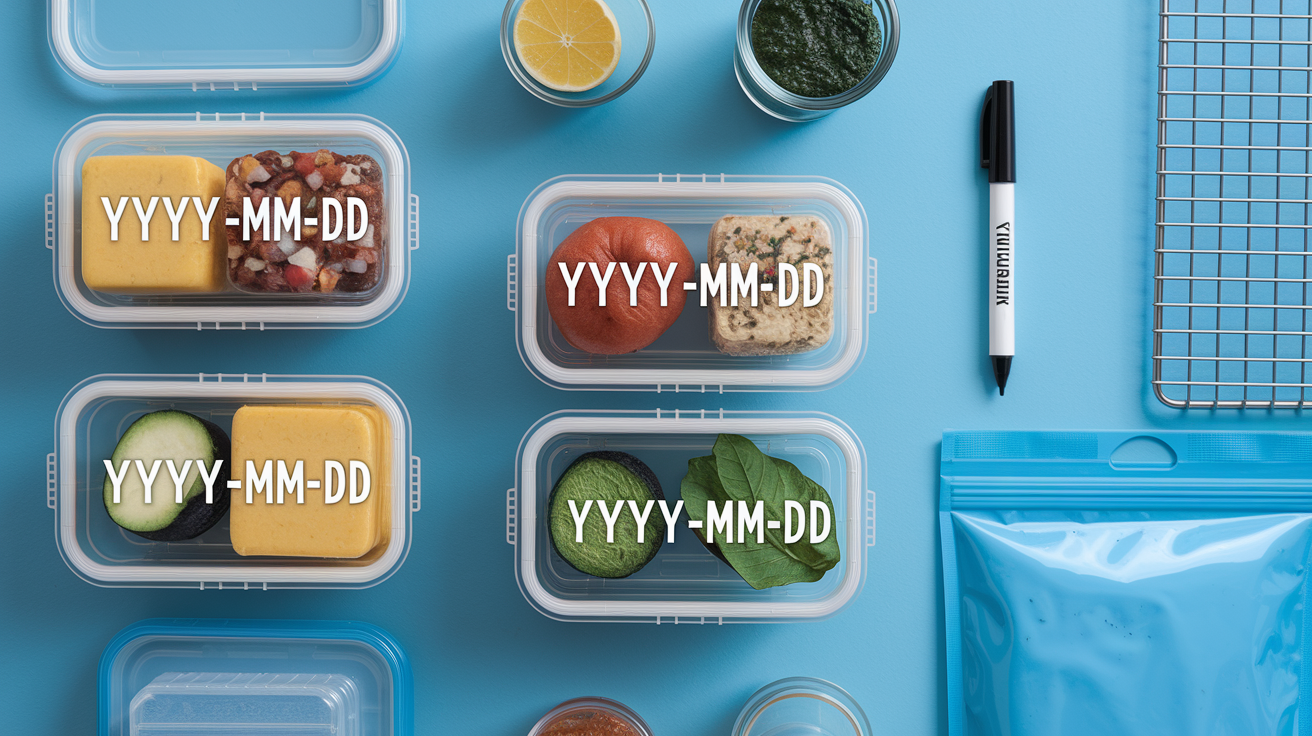
The right container makes the difference between a meal that tastes fresh after thawing and one that suffers from freezer burn or off flavors. Use rigid, freezer-safe polypropylene or tempered glass containers with airtight lids for soups, stews, and casseroles. Single-serving sizes of one to two cups work best because they thaw faster and get rid of the need to defrost more food than you’ll eat. Vacuum-seal bags save freezer space and extend quality by removing air, which slows ice-crystal formation and preserves texture.
Flash-freezing prevents clumping and keeps individual portions separate. Spread items like meatballs, burger patties, or cookie-dough balls on a parchment-lined baking sheet, freeze for one to two hours until solid, then transfer to a labeled freezer bag. This lets you pull out exactly the number of pieces you need without thawing the entire batch. For soups and stews, leave half an inch of headspace in jars or containers to allow for expansion as liquids freeze. Label every container with the meal name, date prepared, and calories per serving using a permanent marker or freezer-safe labels. Rotate your stock by placing newer meals behind older ones and try to use soups within three to four months, casseroles within two to three months, cooked poultry within four months, and cooked grains within three months.
Seven freezer-storage best practices:
- Cool cooked food to room temperature within two hours before freezing to prevent bacterial growth and condensation
- Remove as much air as possible from bags by pressing gently or using a vacuum sealer
- Stack flat freezer bags horizontally to save space and speed up thawing
- Use ISO date format (YYYY-MM-DD) on labels for easy sorting
- Keep a freezer inventory list taped to the door to track what you have and when it was made
- Store freezer meals at 0°F or below to maintain quality and safety
- Don’t refreeze thawed meals unless they’ve been cooked again after thawing
Freezing and Reheating Instructions for Low-Calorie Meal Prep
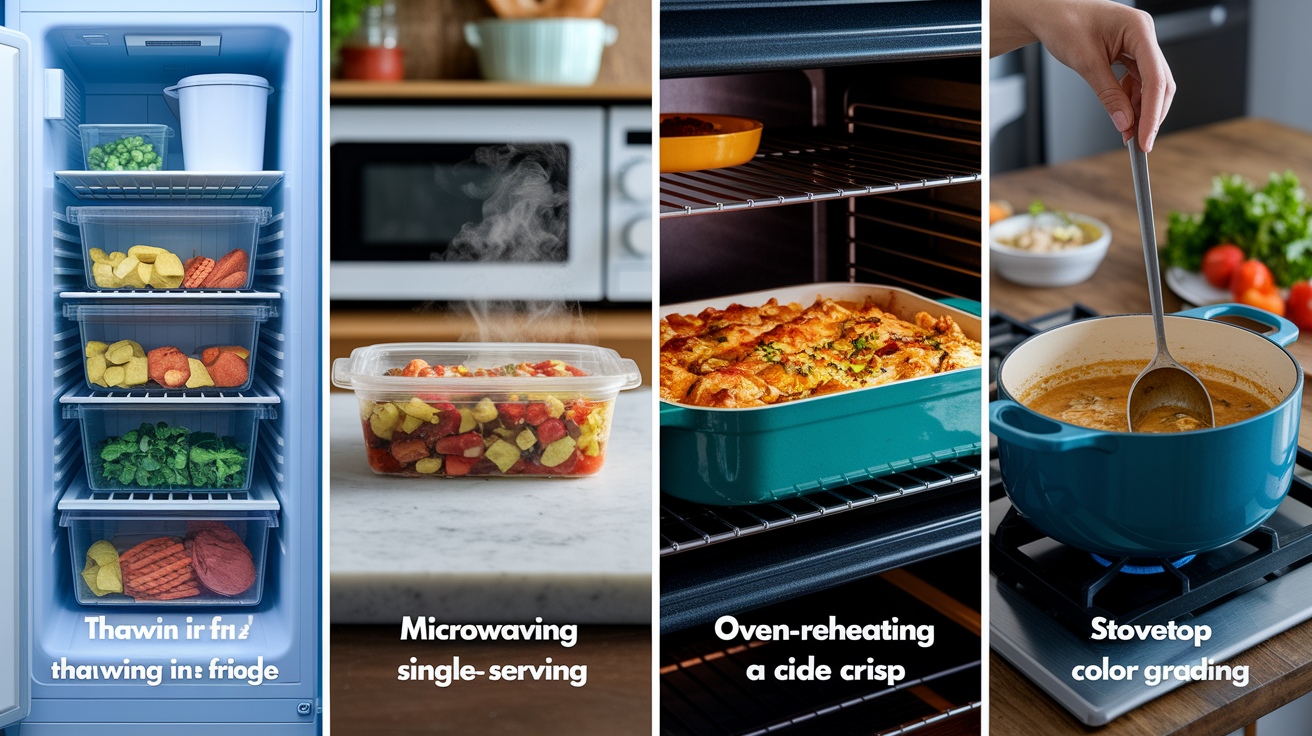
Safe reheating brings frozen meals back to the right temperature without drying them out or creating cold spots. Most single-serving meals reheat in two to four minutes in the microwave at medium power, though denser casseroles can need five to seven minutes with a pause to stir. Oven reheating at 350°F takes 15 to 30 minutes from frozen and works well for casseroles, burritos, and baked dishes you want to crisp. Stovetop reheating suits soups and stews. Simmer from thawed for eight to 12 minutes or from frozen for 15 to 20 minutes, stirring every few minutes. All poultry-based meals and mixed dishes must reach an internal temperature of 165°F.
Thawing overnight in the refrigerator is the safest method and takes eight to 12 hours. Move a frozen container from the freezer to the fridge the night before you plan to eat it. If you’re reheating from frozen, add a few extra minutes and check the center temperature with a food thermometer. Microwave reheating works fastest when you cover the dish with a microwave-safe lid or damp paper towel to trap steam, which prevents the edges from drying out. Stir halfway through the reheat cycle to spread heat evenly. Oven reheating requires covering the dish with foil for the first half of the time, then uncovering for the final five to ten minutes if you want a slightly browned top.
Eight reheating and thawing guidelines:
- Thaw overnight in the refrigerator whenever possible for even, safe defrosting
- Use the defrost setting on your microwave if you need to thaw in a hurry, then reheat immediately
- Stir soups and stews halfway through microwave reheating to get rid of cold spots
- Cover dishes during reheating to retain moisture
- Check internal temperature with a food thermometer, aiming for 165°F for poultry and mixed dishes
- Let oven-reheated meals rest for two to three minutes before eating to finish heat distribution
- Reheat only the portion you plan to eat. Don’t thaw and reheat the entire batch unless you’ll consume it all
- Toss any meal that’s been left at room temperature for more than two hours after reheating
| Method | Typical Time | When to Use |
|---|---|---|
| Microwave (medium power) | 2–7 minutes | Single servings, quick lunches, soups |
| Oven (350°F) | 15–30 minutes | Casseroles, burritos, dishes you want crisp |
| Stovetop (simmer) | 8–20 minutes | Soups, stews, chilis, sauces |
| Refrigerator thaw + quick reheat | 8–12 hours thaw + 2–5 min reheat | Best quality and safety for all meal types |
Low-Calorie Batch Cooking Strategies for Freezer Meal Prep
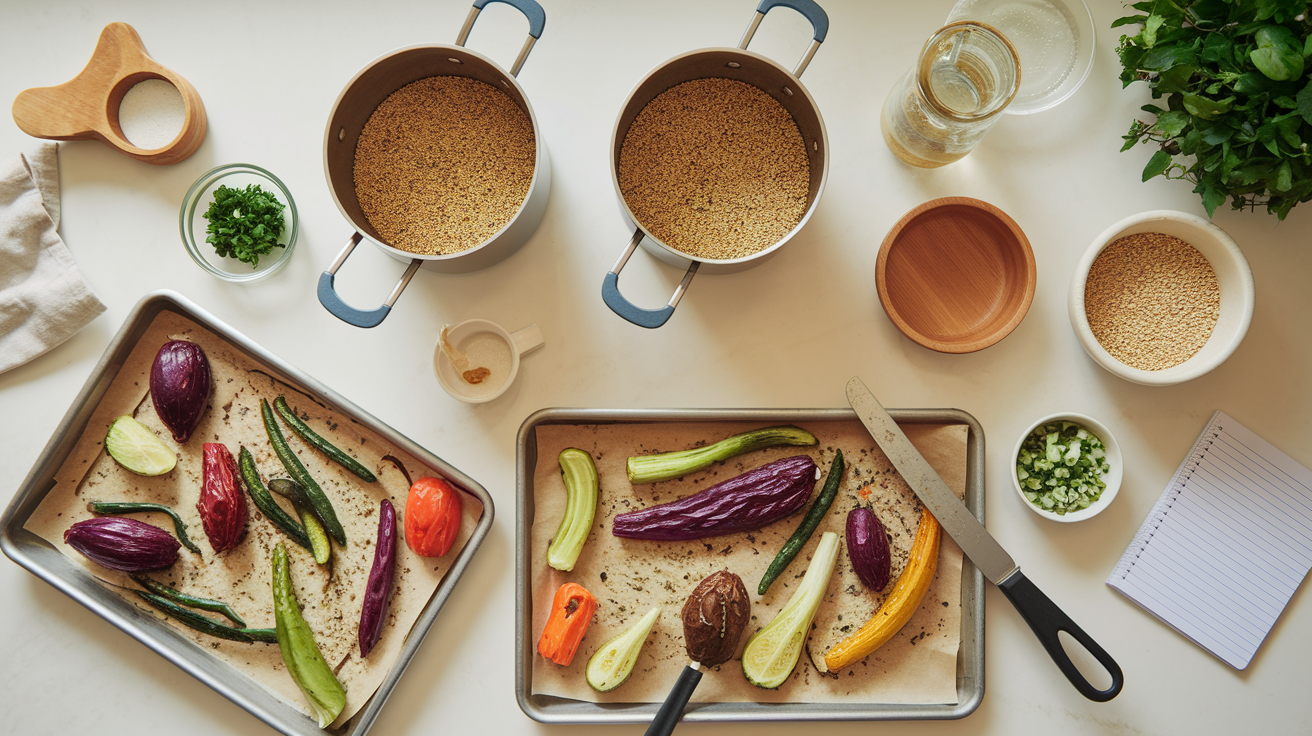
Batch cooking turns a two- to three-hour block into 10 to 12 single-serve meals ready for the freezer. Pick a weekend afternoon or weeknight when you’ve got uninterrupted time, gather your ingredients, and work through one or two recipes that share common components. If you’re browning ground turkey for chili, brown a second pound for taco-seasoned freezer packs at the same time. If you’re roasting a sheet pan of vegetables for a quinoa bake, roast an extra pan to portion into stir-fry kits or soup add-ins. Scaling recipes keeps quality consistent and cuts down the number of times you need to clean mixing bowls and baking dishes.
Cost per homemade low-calorie freezer meal typically ranges from one dollar and fifty cents to five dollars, depending on your protein choice and local prices. Lentil and bean-based meals often fall under two dollars per serving, while chicken and turkey meals land between two and three dollars, and seafood options like shrimp or salmon push toward four to five dollars. Buying proteins on sale and freezing them raw stretches your budget. When you plan for 14 to 16 meals per week, you’ll prep roughly four breakfasts, four lunches, four dinners, and two to four snacks in a single session.
Efficient batch-cooking workflow starts with mise en place. Wash and chop all vegetables, measure all grains and liquids, and brown all proteins before you start assembling individual recipes. Use multiple burners or your oven and stovetop at the same time to cook grains, simmer soup, and bake casseroles. Cool everything on wire racks or spread in shallow pans to bring the temperature down within two hours, then portion and label. Clean as you go to skip a pile of dishes at the end. A simple three-hour session can yield a full week of breakfasts and lunches plus several dinners, saving both time and decision fatigue on busy evenings.
A One-Week Low-Calorie Freezer Meal Rotation Plan
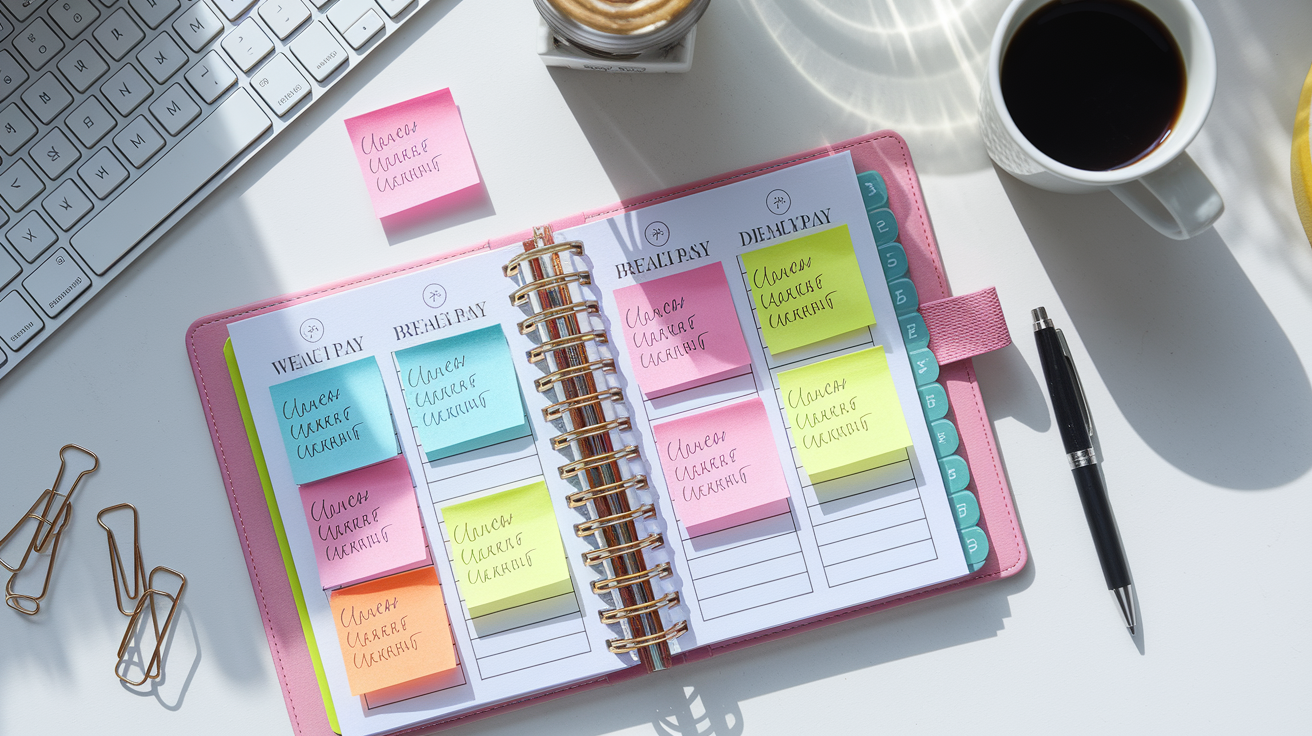
A practical seven-day rotation uses the breakfast, lunch, and dinner recipes above and spreads them across the week to skip repetition. This plan assumes you’ve batch-cooked and frozen all meals in advance, so each day you simply pull a container, reheat, and add any fresh toppings. Total daily calories for the frozen meals alone range from 750 to 1,200, leaving space for snacks, fresh fruit, or side salads. Adjust portion sizes or add a second breakfast item if your daily calorie target sits higher.
Seven-day low-calorie freezer meal rotation:
- Monday: Breakfast: 2 egg muffins (160 kcal). Lunch: Vegetable lentil soup (200 kcal). Dinner: Turkey chili (314 kcal). Total: 674 kcal from frozen meals.
- Tuesday: Breakfast: 1 baked oatmeal cup (180 kcal). Lunch: Chicken quinoa veggie bake (370 kcal). Dinner: Lean turkey meatballs with marinara (280 kcal). Total: 830 kcal from frozen meals.
- Wednesday: Breakfast: 1 breakfast burrito (445 kcal). Lunch: Italian wedding soup (351 kcal). Dinner: Seafood veggie pack (220 kcal). Total: 1,016 kcal from frozen meals.
- Thursday: Breakfast: 2 egg muffins (160 kcal). Lunch: Vegetable lentil soup (200 kcal). Dinner: Chicken quinoa veggie bake (370 kcal). Total: 730 kcal from frozen meals.
- Friday: Breakfast: 1 baked oatmeal cup (180 kcal). Lunch: Turkey & black bean burrito bowl (320 kcal). Dinner: Turkey chili (314 kcal). Total: 814 kcal from frozen meals.
- Saturday: Breakfast: 1 breakfast burrito (445 kcal). Lunch: Italian wedding soup (351 kcal). Dinner: Lean turkey meatballs with marinara (280 kcal). Total: 1,076 kcal from frozen meals.
- Sunday: Breakfast: 2 egg muffins (160 kcal). Lunch: Chicken quinoa veggie bake (370 kcal). Dinner: Seafood veggie pack (220 kcal). Total: 750 kcal from frozen meals.
Final Words
Start by picking 2–3 recipes: a breakfast, a lunch, and a dinner that land around 250–450 kcal. Batch cook one session, portion into single-serving containers, flash-freeze, and label with dates.
Remember the storage and reheating rules: soups 3–4 months, casseroles 2–3 months, reheat to safe temps and thaw overnight when needed.
Tonight, try making a small batch of low-calorie freezer-friendly meals for meal prep—baked oatmeal cups or turkey chili—and freeze single portions. You’ll have easy, healthy meals ready all week.
FAQ
Q: Which frozen meals are healthiest for weight loss?
A: The healthiest frozen meals for weight loss are protein-and-vegetable dishes around 250–450 kcal per serving—examples include turkey chili, vegetable lentil soup, and chicken–quinoa casseroles for satiety and nutrients.
Q: What foods are best to freeze for meal prep?
A: The best foods to freeze for meal prep are sturdy vegetables (zucchini, broccoli), lean proteins (chicken, turkey, tofu), legumes, cooked grains, soups and casseroles—limit extra oils, cream, and lots of cheese for lower calories.
Q: Are there frozen meals for diabetics?
A: Frozen meals for diabetics exist—look for lower added sugar, moderate carbs with fiber, and lean protein. Check carb counts, portion sizes, and consult your clinician for personalized carb targets.
Q: What is the most filling low calorie meal?
A: The most filling low calorie meal combines lean protein, fiber-rich vegetables, and some whole grain—like vegetable lentil soup or a chicken-quinoa bowl (about 300–400 kcal) to keep you full longer.