

Think you need a gym to get fit? You don’t.
This 15–20 minute, no‑equipment home plan is made for busy beginners who want real results without gear or long sessions.
You’ll learn one quick circuit that trains legs, chest, core, and back, plus a 2–3 minute warm‑up and cool‑down, easy modifications, and simple progressions.
Do one round on low‑energy days, two or three when you can.
The core idea: short, consistent sessions beat rare, long workouts you never stick with.
Quick 15–20 Minute No‑Equipment Routine for Busy Beginners
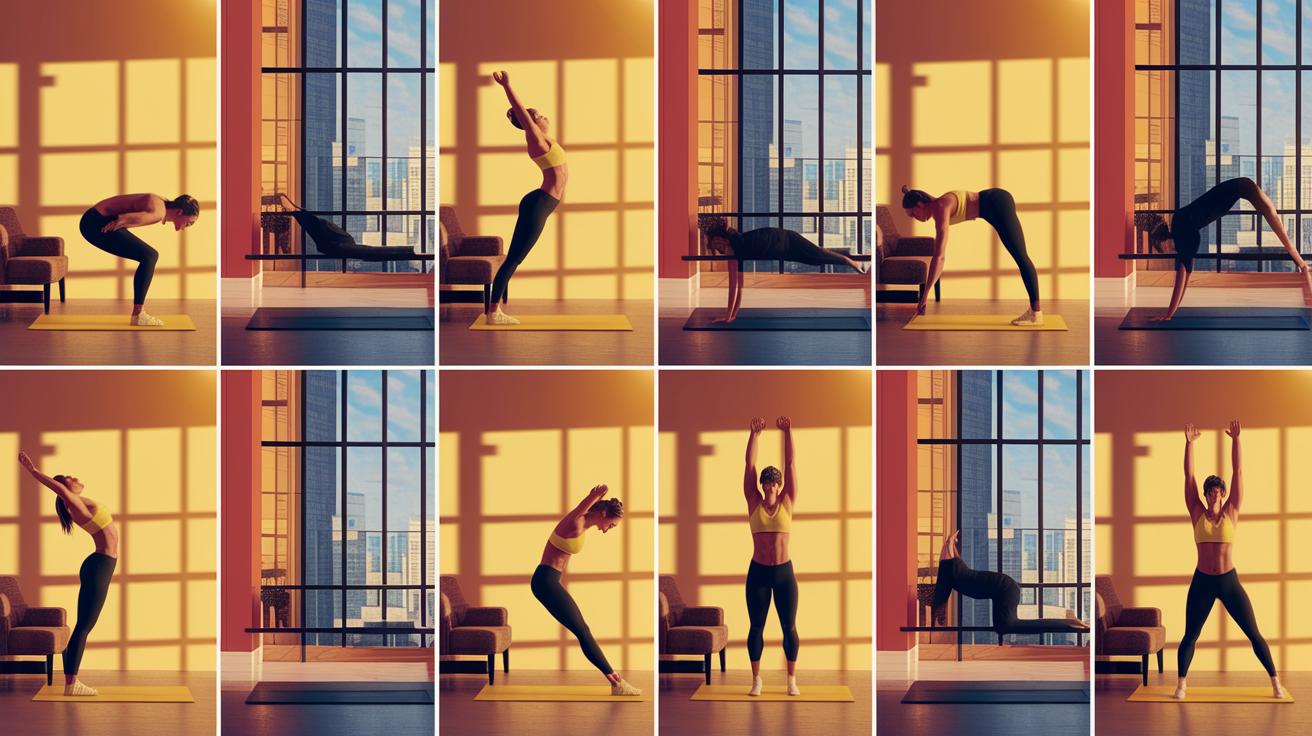
This routine takes 15 to 20 minutes, start to finish. Move from one exercise to the next without resting much. Once you’ve done all eight exercises, rest 60 seconds. If you’ve got energy left, run through it again. If not? One round is plenty for your first few sessions.
You’re working legs, core, chest, and back with basic bodyweight movements. No equipment needed. Just enough space to move around without hitting furniture.
- Bodyweight Squats – 10 reps
- Push‑Ups (Hands Elevated or Standard) – 6 to 10 reps
- Forward Lunges – 8 reps per leg
- Plank Hold – 15 to 30 seconds
- Glute Bridges – 12 reps
- Mountain Climbers – 20 total reps (10 per knee)
- Superman Hold – 10 seconds, rest 5 seconds, repeat 3 times
- Jumping Jacks or High Knees – 30 seconds
After the last exercise, rest 60 seconds. Then decide if you’re doing round two or wrapping up with a cool‑down walk and stretches.
How to Perform Each Exercise Safely and Correctly
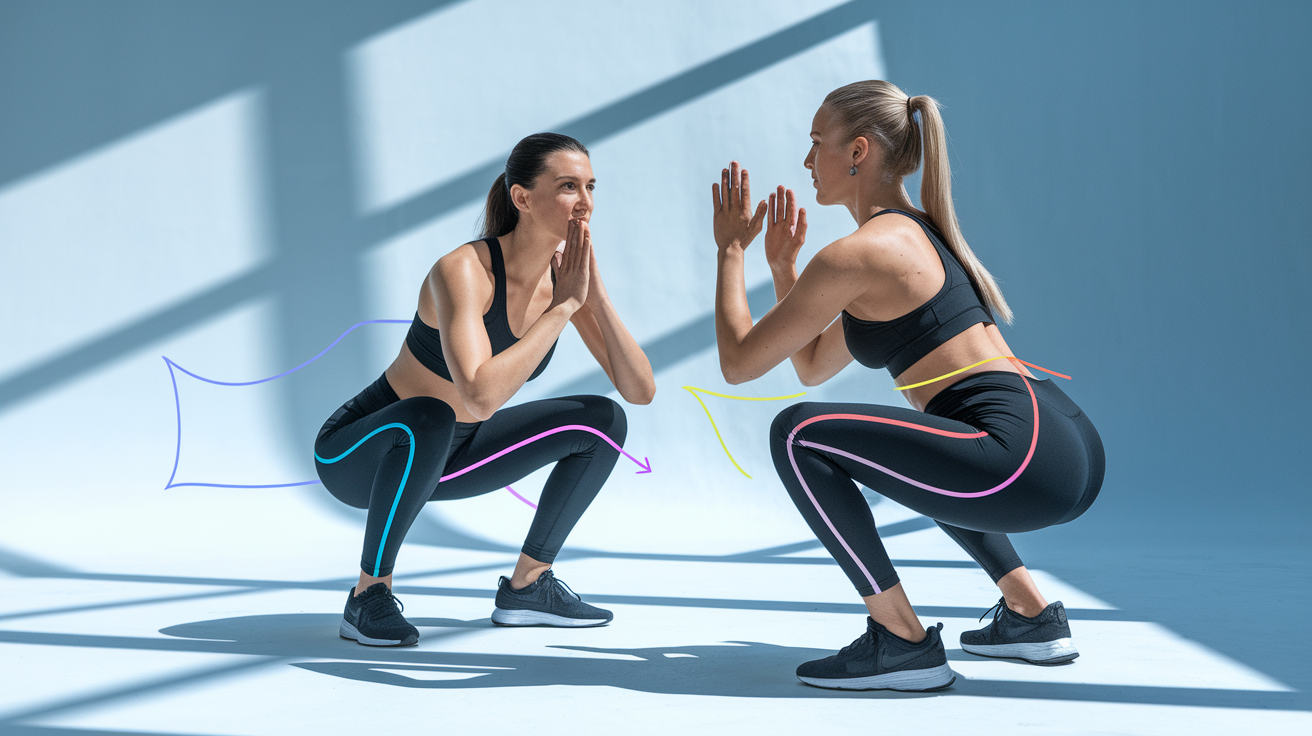
Good form keeps you injury‑free and makes every rep count. When you’re new, it’s tempting to rush or lean into habits that compensate for weak spots. Slow down. Learn the setup for each movement. You’ll get stronger faster and feel way more confident.
Squat
Feet about shoulder width, toes angled out slightly. Push your hips back like you’re sitting down, then bend your knees until your thighs are close to parallel with the floor. Heels stay flat. Chest stays up. Push through your heels to stand. Don’t let your knees cave in or your heels lift.
Lunge
Step one foot forward about two feet. Lower your back knee toward the floor until both legs make roughly 90 degree angles. Front knee stays above your ankle, not shoved past your toes. Push through your front foot to stand back up. Beginners usually lean too far forward or let the front knee drift inward.
Push‑Up
Start in a high plank, hands a little wider than shoulder width, body straight from head to heels. Lower your chest toward the floor by bending your elbows. Keep them tucked close instead of flaring out. Press back up. If floor push‑ups are too tough, put your hands on a step, box, or chair. The higher your hands, the easier it gets.
Plank
High plank position, hands under your shoulders, body forming one straight line. Pull your belly button toward your spine to engage your core. Don’t let your hips sag or stick up. Breathe steady. If your lower back hurts, drop to your knees or cut the hold time.
Hip Hinge (Glute Bridge and Superman)
For the glute bridge, lie on your back, knees bent, feet flat and hip width apart. Press your heels down and lift your hips until your body makes a straight line from shoulders to knees. Squeeze your glutes at the top, hold one second, then lower. Don’t overarch your lower back to lift higher.
For the Superman, lie face down, arms overhead in a goalpost shape. Lift your chest, shoulders, and feet a few inches off the floor by squeezing your glutes and upper back. Hold briefly, lower. Keep it controlled. Don’t yank your neck back.
Full‑Body Cardio (Mountain Climbers, Jumping Jacks, High Knees)
Mountain climbers start in a high plank. Drive one knee toward your chest, then switch legs fast like you’re running. Hips stay level, core stays tight.
Jumping jacks and high knees are standing moves. For jumping jacks, jump your feet wide while raising your arms overhead, then return. For high knees, jog in place and lift your knees as high as you can. Both get your heart rate up and build conditioning.
Warm‑Up and Cool‑Down Steps for Busy Schedules
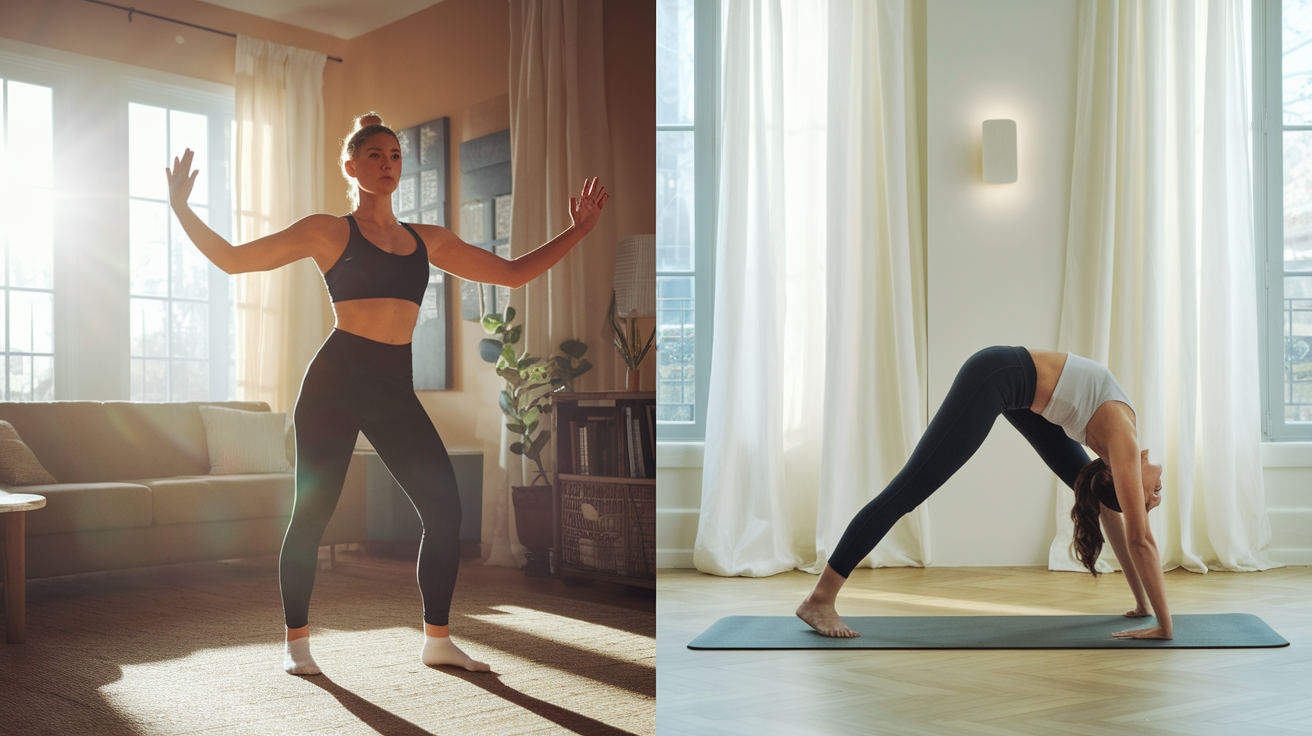
A two or three minute warm‑up gets your muscles and joints ready. A short cool‑down brings your heart rate back down and cuts next‑day soreness. You don’t need anything elaborate. Simple movements done consistently make the difference.
Warm‑Up (2–3 minutes):
• March in place for 30 seconds, lifting your knees higher each step.
• Do 10 slow arm circles forward, then 10 backward.
• Do 5 to 8 bodyweight squats at an easy pace, focusing on range of motion.
• Finish with 20 seconds of high knees or light jogging in place.
Cool‑Down (2–3 minutes):
• Walk slowly in place or around your room for 60 seconds.
• Hold a standing quad stretch for 20 seconds per leg (pull your heel toward your glute).
• Stretch your chest by clasping your hands behind your back and gently lifting your arms.
• Finish with a seated forward fold or child’s pose for 30 seconds to release your lower back and hamstrings.
Weekly Schedule Options for Busy Beginners

Most beginners see steady progress on three to four days per week. Rest days let your muscles recover and adapt. Consistency over weeks and months beats cramming sessions into a single week.
• 3‑Day Routine – Monday, Wednesday, Friday. Run the full 15 to 20 minute circuit each day. Rest or walk lightly on the other days.
• 4‑Day Routine – Monday, Tuesday, Thursday, Saturday. Same workout each session, or alternate between upper focus days (more push‑ups, planks, supermans) and lower focus days (more squats, lunges, bridges).
• 5‑Day Short‑Session Plan – Train Monday through Friday with 10 minute sessions. Do one round of the circuit each day, focusing on form and consistent effort instead of duration.
Simple Progressions to Make the Routine More Challenging

Once the workout feels manageable, you can increase difficulty without adding equipment. Small tweaks in volume, tempo, or exercise variation keep your muscles adapting.
Add one or two progressions at a time. If you jump too many steps at once, your form usually breaks down and progress stalls.
• Increase reps – Go from 10 squats to 15, or from 6 push‑ups to 10.
• Reduce rest between exercises – Cut your between‑exercise pause from 10 seconds to zero, turning the circuit into continuous work.
• Add a third round – Complete the circuit three times instead of two.
• Use harder exercise variations – Switch standard lunges to reverse lunges or walking lunges. Progress from elevated push‑ups to floor push‑ups, then to feet‑elevated push‑ups.
• Increase hold times – Extend your plank from 15 seconds to 30, or hold the top of your glute bridge for two seconds instead of one.
Modifications for Joint Sensitivity, Low Fitness Levels, or Limited Mobility
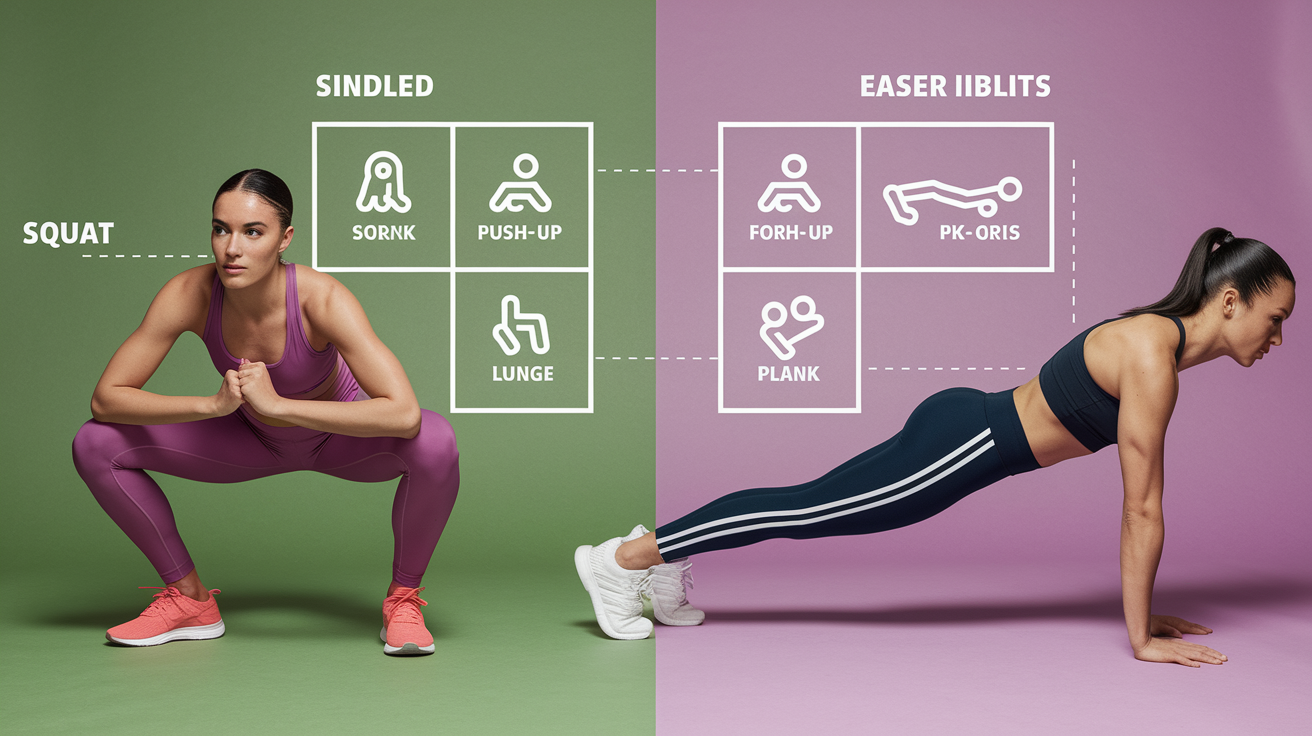
Some exercises can feel uncomfortable if you’re coming back to movement after a break, managing joint issues, or working around an old injury. These easier variations let you build strength and confidence without aggravating sensitive spots.
Start with the modification that feels stable and controlled. Progress to the standard version when you can complete 10 to 12 smooth reps.
| Exercise | Easier Variation | When to Use |
|---|---|---|
| Squat | Box squat (sit back onto a chair, then stand) | Knee pain, balance issues, or learning squat depth |
| Push‑Up | Wall push‑up (hands on wall, body angled) | Wrist discomfort, low upper‑body strength, or shoulder sensitivity |
| Forward Lunge | Step‑back lunge (step one foot back instead of forward) | Knee tracking issues or balance concerns |
| Plank | Kneeling plank (knees on floor, body straight from knees to head) | Lower‑back discomfort or core fatigue |
| Mountain Climbers | Slow step‑ins (step one foot forward, return, alternate without jumping) | High‑impact sensitivity or coordination challenges |
| Jumping Jacks | Step‑out jacks (step one foot out at a time instead of jumping) | Joint impact concerns or noise restrictions |
Strategies for Staying Consistent When You’re Busy
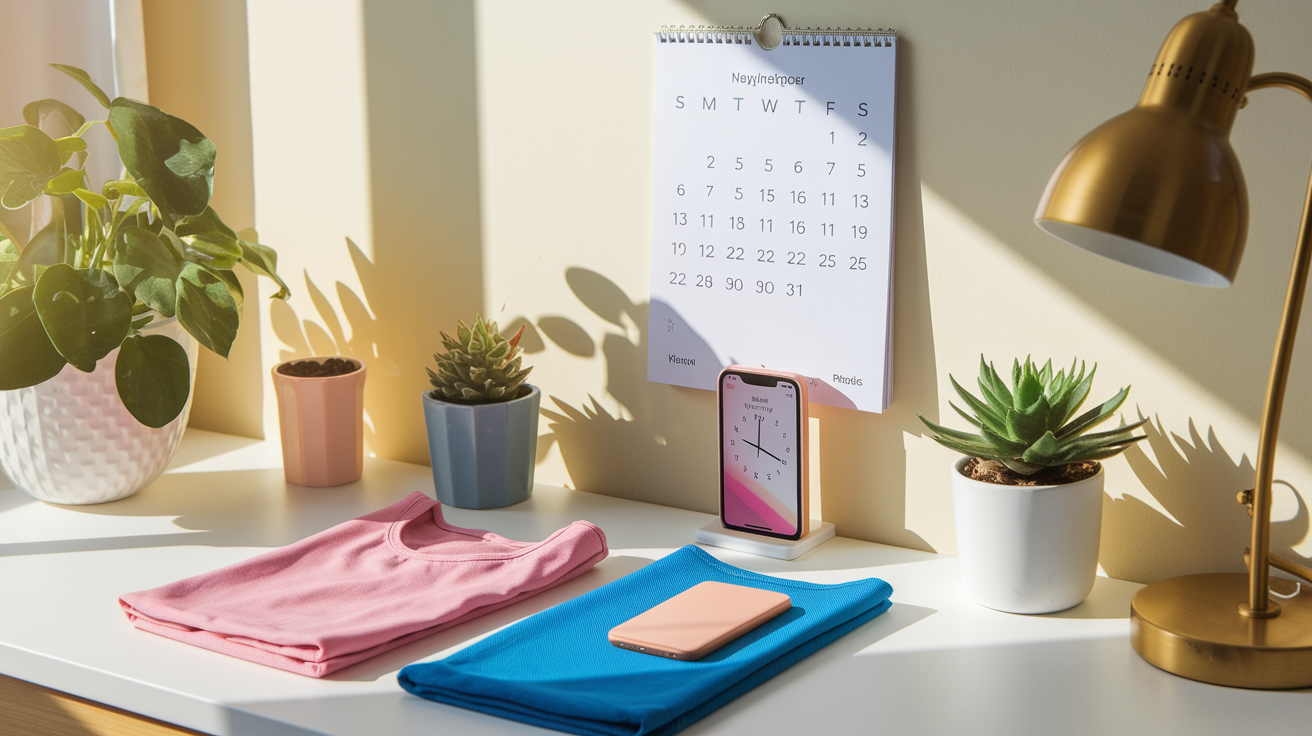
Short workouts are easier to protect on your calendar than long sessions. Fifteen minutes three times a week beats an hour‑long plan you never start. Treat each session as a small win that builds momentum.
Habit stacking works well for busy schedules. Attach your workout to something you already do, like right after you drop the kids at school or immediately before your morning shower. The trigger makes it easier to start without debating whether you have time.
• Time‑block your sessions – Put your workout on your calendar like a meeting. Protect that 15 minute window.
• Lay out workout clothes the night before – Reducing friction makes it easier to begin.
• Track completed sessions – Mark an X on a wall calendar or note it in your phone. Seeing a streak builds motivation.
• Set a minimum‑viable session – On low‑energy days, commit to one round of the circuit instead of two. Showing up matters more than perfect execution.
• Celebrate small progress – Notice when 10 squats feel easier than they did two weeks ago. Progress comes from repetition, not intensity.
Final Words
in the action — you now have a full 15–20 minute no-equipment routine, clear form cues, a quick warm-up and cool-down, weekly plans, progressions, and joint-friendly modifications.
Try it tonight: run the 15-minute circuit once, note two moves that felt hardest, then pick one small change for your next session.
This no-equipment home workout plan for busy beginners fits into evenings or lunch breaks. Start small, track one simple thing (minutes or reps), and repeat. You’ve got this.
FAQ
Q: What does the 15–20 minute no‑equipment routine include?
A: The 15–20 minute no‑equipment routine includes 6–8 basic bodyweight moves—squats, lunges, push variations, planks, hip hinges, and a short cardio burst—done in intervals with minimal rest to build strength and consistency.
Q: How often should I do this routine each week?
A: You should do this routine 3–4 times per week for steady progress; choose a 3‑day beginner split, a 4‑day moderate plan, or five short sessions if you prefer daily quick workouts.
Q: How do I perform each exercise safely and correctly?
A: Perform each exercise safely by keeping a neutral spine, knees tracking over toes, hips back for squats/hinges, core braced for pushes and planks, and controlled landings for cardio to reduce injury risk.
Q: What quick warm‑up and cool‑down should I do?
A: A quick warm‑up is 2–3 minutes of marching, arm swings, leg swings, and hip circles; cool‑down for 3–5 minutes with slow walking, hamstring and quad stretches, and deep breathing to aid recovery.
Q: How can I make this routine more challenging over time?
A: Make the routine harder by adding reps or sets, cutting rest time, choosing tougher variations, slowing the lowering phase, or adding a weighted object when you’re ready.
Q: What modifications work for joint sensitivity or limited mobility?
A: Use low‑impact swaps like chair squats, step‑back lunges, wall push‑ups, glute bridges, and step‑outs instead of jumps; these ease joints while keeping movement consistent and safe.
Q: What’s the minimum effective version when I’m short on time or energy?
A: The minimum effective option is two sets of the first three exercises or a focused 10‑minute circuit—still gives a meaningful strength stimulus while fitting into a busy day.
Q: How should I track progress so it’s measurable?
A: Track progress by noting workout days, sets/reps, exercise variations, and simple tests like timed planks or push‑up counts; review every two weeks to adjust goals and load.
Q: Do I need any equipment for this routine?
A: You don’t need equipment; the routine is bodyweight only. Optional items like a resistance band or a dumbbell can be added later to increase resistance and variety.
Q: When should I see a clinician before starting?
A: See a clinician before starting if you have recent injuries, chronic pain, heart conditions, or take medications that affect exercise; get clearance and any recommended activity limits.