

Think you need an hour at the gym to get stronger? Think again.
This 20-minute strength routine for busy beginners gives a simple, full-body plan you can do at home with one pair of dumbbells or common items.
It uses a 5-minute warm-up and cool-down plus a 15-minute interval block: 15 standing exercises, 40 seconds on and 20 seconds off, no repeats and no guesswork.
It builds practical strength—lifting groceries, climbing stairs, carrying kids—and below you’ll find exact moves, a quick fallback, and how to progress safely.
A Fast, Beginner-Friendly Strength Routine That Fits Into 20 Minutes
This 20-minute strength routine splits into two parts: a combined 5-minute warm-up and cool-down, and a 15-minute interval block using 40 seconds of work and 20 seconds of rest. You’ll complete 15 single-set exercises in that 15-minute window. No repeats. Each exercise appears once, so you move through the list without cycling back.
All moves are standing full-body dumbbell exercises or bodyweight alternatives. Deadlifts, wide squats, shoulder presses, rows, bicep curls. You can use a single pair of dumbbells across the session, typically 5 to 25 pounds, or switch weights between exercises if you’ve got a few pairs available. No dumbbells? Use bodyweight resistance or household objects like water bottles.
The no-repeat structure keeps decision fatigue low and gives you a clear start and finish. You warm up for a few minutes, run through your 15 one-minute intervals, then cool down. The full exercise specifics appear in the detailed breakdown below.
This format builds total-body strength, improves endurance, and supports functional movement in real life. Lifting groceries, carrying kids, climbing stairs. Because each exercise only takes one minute and the session stays at 20 minutes, it’s accessible even if you’re new to strength work or returning after a break.
A Simple Warm-Up to Start Your 20-Minute Strength Routine
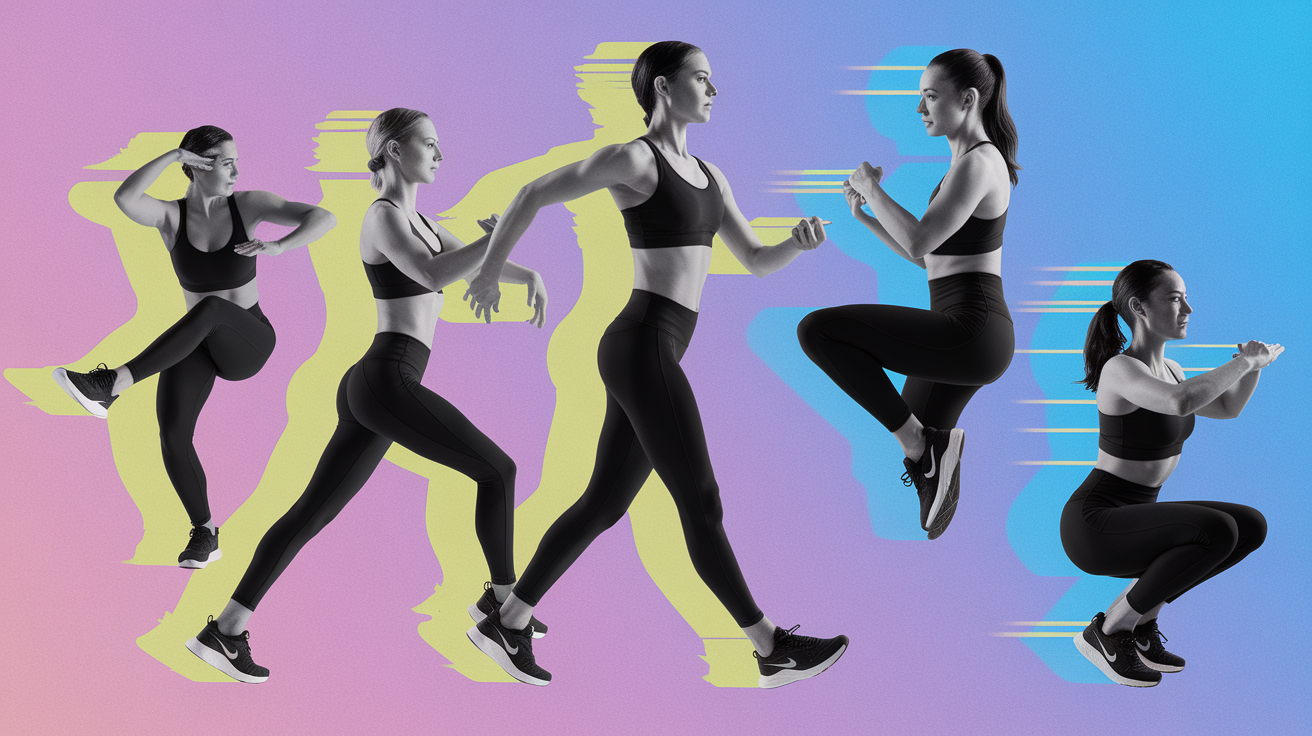
A short warm-up prepares your muscles and joints for the 40/20 interval structure without eating into your workout time. Three to five minutes is enough to raise your heart rate slightly, activate key muscle groups, and reduce injury risk. This step ensures you move safely through heavier or faster-paced exercises without stiffness or cold muscles.
Try these five dynamic warm-up moves:
Brisk walk in place or around the room for 60 seconds to elevate heart rate. Leg swings for 30 seconds per leg, forward-back and side-to-side, to open hip range of motion. Arm circles for 30 seconds, forward and reverse, to warm shoulders and upper back. Bodyweight squats or box taps for 60 seconds to activate glutes and quads. Ankle rotations and calf stretches for 30 seconds to prep lower legs for standing work.
This five-minute block primes your body for the standing dumbbell moves ahead. You’ll feel warmer, more mobile, and ready to maintain good form during the 40-second work intervals that follow.
The Core 20-Minute Beginner Strength Routine (40/20 Format)
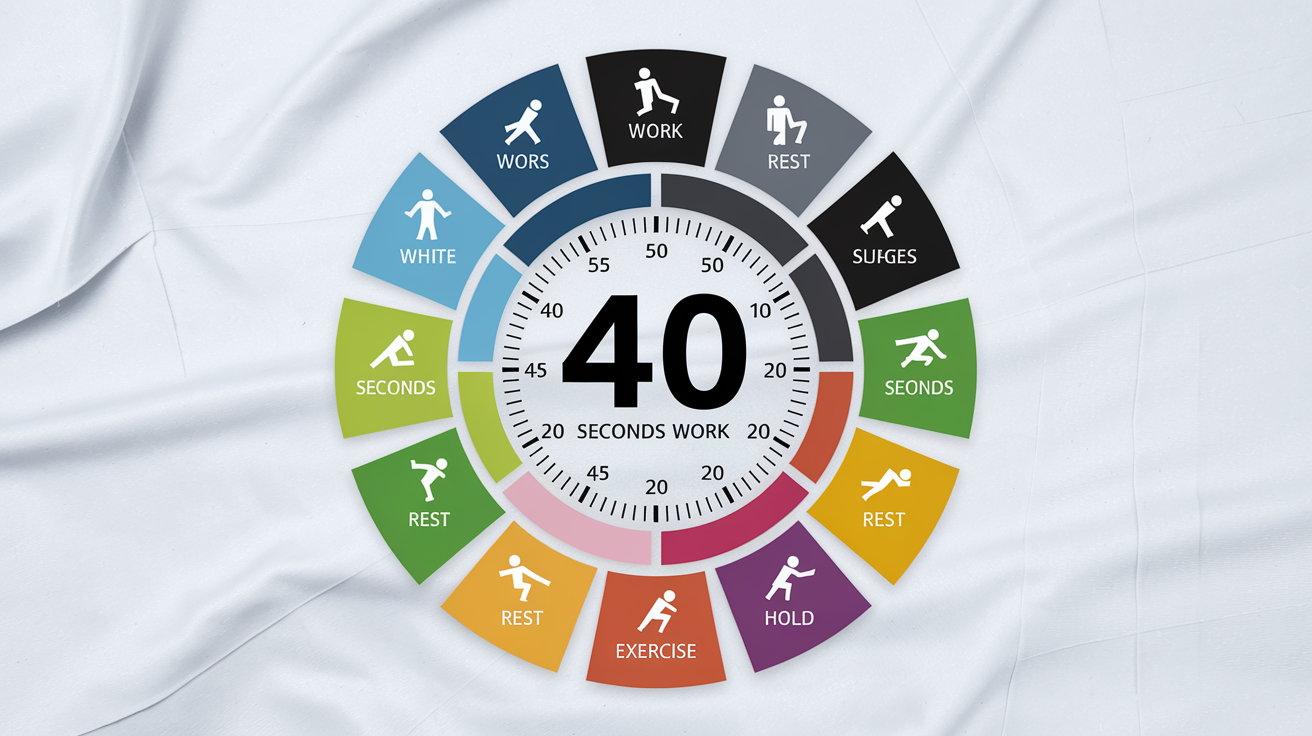
The 15-minute interval block uses 40 seconds of work and 20 seconds of rest for each exercise. You perform one exercise, rest briefly, then move to the next. After 15 exercises, you’re done. This structure keeps your heart rate elevated and removes the guesswork of counting reps. Just work for 40 seconds, then rest.
Lower Body Moves
Deadlift, wide squat, and reverse lunge form the lower-body foundation. The deadlift emphasizes the posterior chain by hinging at the hips with a flat back. Hamstrings, glutes, lower back, lats. Wide squats target quads, hamstrings, hips, and inner and outer thighs by standing with feet wider than shoulder-width and lowering with knees tracking over toes. Reverse lunges work glutes, quads, hamstrings, hips, and core by stepping back and lowering until the front thigh is near parallel.
If reverse lunges bother your knees, substitute a split squat or split lunge, keeping your back foot stationary and lowering straight down instead of stepping.
Upper Body Moves
Alternating shoulder press, back row, bicep curl, overhead tricep extension, and standing chest press cover shoulders, back, arms, and chest. Shoulder presses build anterior and lateral deltoids, rear delts, triceps, and upper back by pressing dumbbells overhead one arm at a time. Back rows hit the lats and mid-back by hinging forward at 45 degrees and pulling elbows straight back. Bicep curls isolate the biceps brachii with a controlled lift and slow lower. Overhead tricep extensions target the long head of the triceps and shoulder stabilizers by keeping elbows close to your ears and lowering the dumbbell behind your head. Standing chest presses engage the pectoralis major, deltoids, triceps, obliques, and core by pressing dumbbells forward from chest height.
Simple Core Engagement
Core work is built into the standing moves rather than isolated on the floor. Maintaining posture during deadlifts, lunges, and overhead presses requires constant core bracing. You can add light marching in place between exercises or hold a brief plank after the 15 intervals if you have an extra minute, but the standing format already activates your abs and obliques throughout the session.
| Exercise | Primary Muscles | Equipment |
|---|---|---|
| Deadlift + Wide Squat + Reverse Lunge | Glutes, hamstrings, quads, hips, core | Dumbbells 10–25 lb or bodyweight |
| Shoulder Press + Back Row + Bicep Curl | Shoulders, lats, upper back, biceps | Dumbbells 5–20 lb |
| Overhead Tricep Extension + Chest Press + Calf Raise | Triceps, chest, deltoids, calves | Dumbbells 5–15 lb or bodyweight |
Exercise-by-Exercise Breakdown for Beginner Strength Work
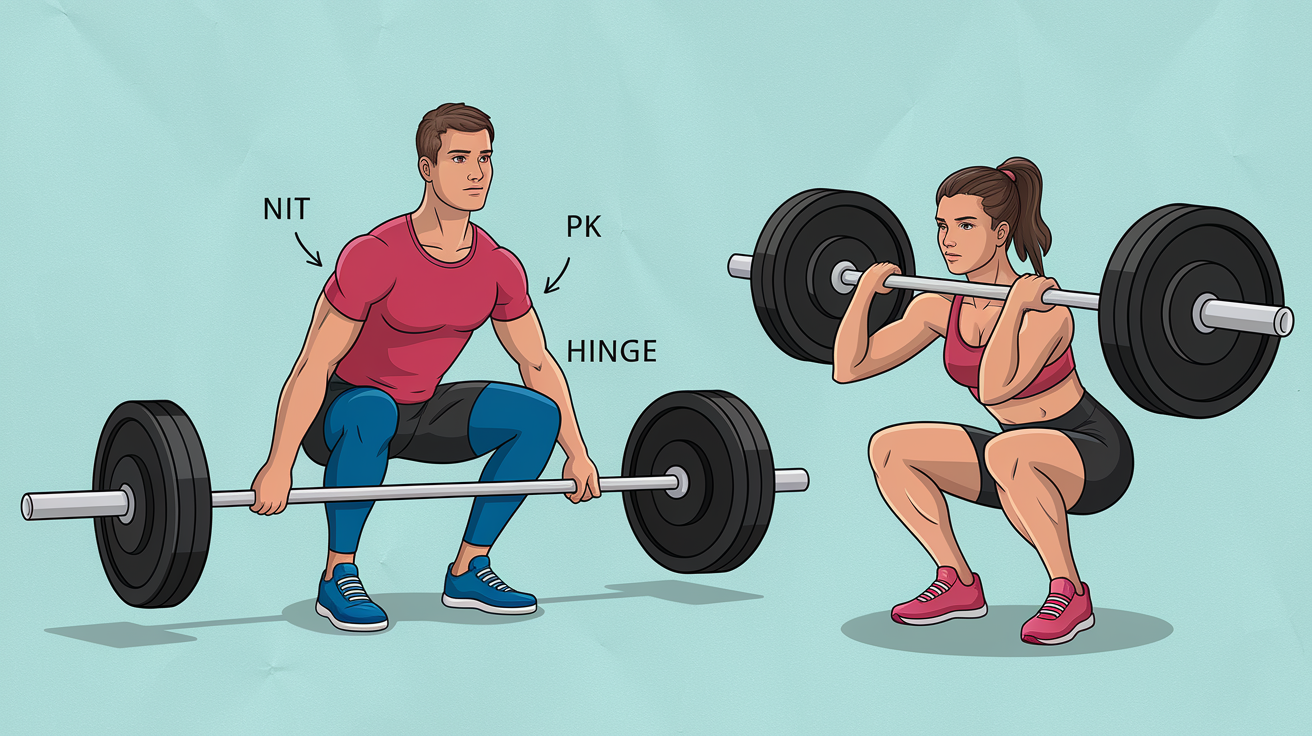
Start every hip-hinge movement by pushing your hips back first, not by bending your knees. Deadlifts, rows. Keep your spine neutral, meaning a small natural curve in your lower back without rounding or over-arching. For deadlifts, hold dumbbells just outside your shins and drive through your heels to stand, squeezing your glutes at the top. For rows, hinge until your torso is about 45 degrees, keep your back flat, and pull your elbows straight back toward your hips, squeezing your shoulder blades together.
Squats and lunges demand knee tracking. Your knees should move in the same direction as your toes. Don’t let them cave inward. In wide squats, sit back as if aiming for a low chair, keeping your chest lifted. In reverse lunges, step back far enough that your front shin stays vertical when you lower. If your knee drifts past your toes, lengthen your stride.
Overhead work requires elbow control. Shoulder presses and tricep extensions. For shoulder presses, press straight up until your arms lock out but don’t shrug your shoulders toward your ears. For tricep extensions, keep your elbows close to your head and only move your forearms, lowering the dumbbell behind your head and then pressing back up. Bicep curls and chest presses benefit from slow lowering. Take two to three seconds to bring the weight down, then press or curl up in one second. Breathe out as you lift or press, breathe in as you lower.
If you don’t have dumbbells, try these bodyweight or easier alternatives:
Deadlift: perform a bodyweight hip hinge, reaching hands toward the floor. Wide squat: stand with hands on hips or arms extended for balance. Reverse lunge: hold a wall or chair for support, or do a static split stance. Shoulder press: use water bottles or perform arm raises without weight. Back row: use a resistance band anchored to a door or perform bent-over arm pulls. Bicep curl: use canned goods, a backpack with books, or band resistance. Overhead tricep extension: use a single light object or skip and add more reps of chest press. Chest press: perform standing push-ups against a wall or counter.
Start with a weight you can lift for the full 40 seconds with good form. If your form breaks down at 25 seconds, the weight is too heavy. If 40 seconds feels easy and you could keep going, add a few pounds next session. Keep your pace steady. This isn’t a sprint. Aim for controlled, rhythmic reps rather than racing through the interval.
A Quick Cool-Down to Finish Your Strength Session
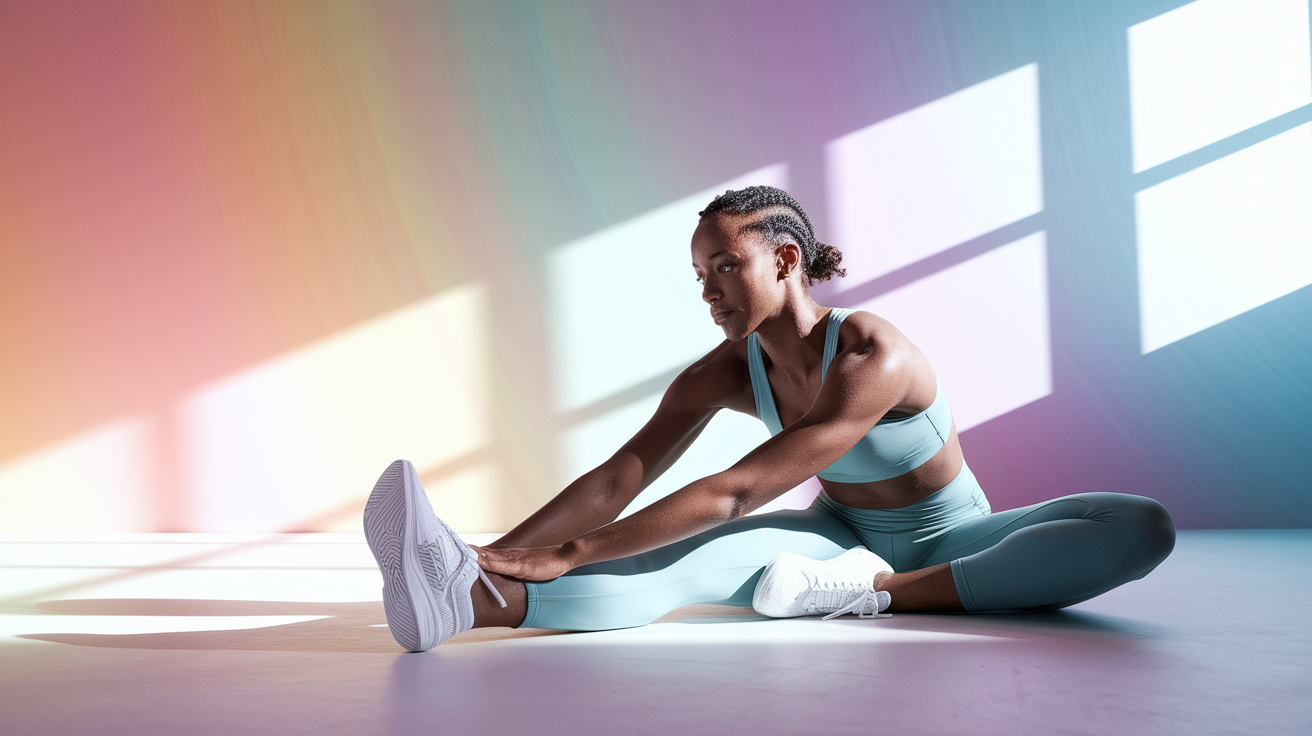
A two to five minute cool-down brings your heart rate back down and reduces next-day soreness. Gentle stretching and slow breathing signal your nervous system that the work is over, which supports recovery and keeps you from feeling stiff later.
Try these four moves:
Standing quad stretch: pull one foot to your glutes, hold 20 to 30 seconds per leg. Standing hamstring stretch: place one heel on a low step or curb, hinge forward gently for 20 to 30 seconds. Chest and shoulder stretch: clasp hands behind your back and lift gently, or lean one arm across your chest. Neck rolls and shoulder shrugs: rotate your neck slowly in each direction, then shrug and release your shoulders a few times.
This short routine helps maintain mobility and posture, especially if you sit at a desk most of the day. Even three minutes of stretching after your 15-minute interval block keeps your muscles from tightening up and makes your next session feel easier.
How Often to Do a 20-Minute Strength Routine (and When to Progress)
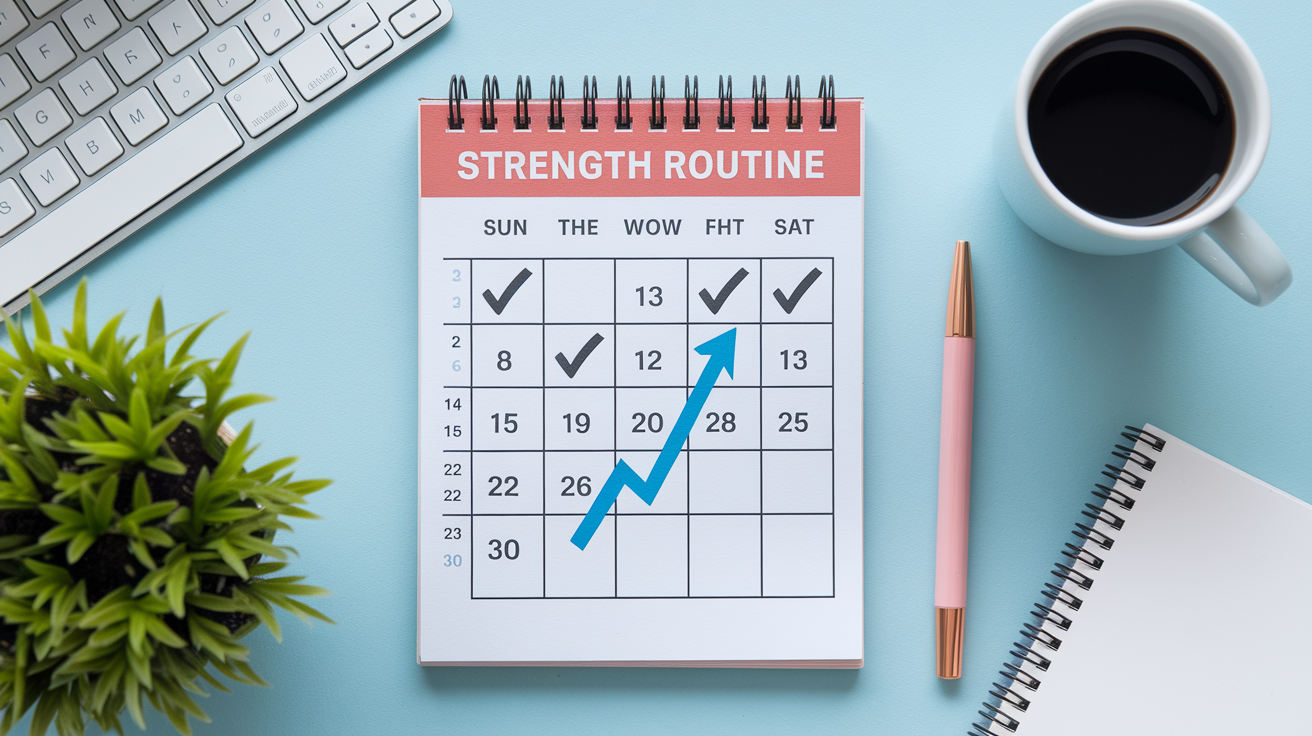
Aim for three to five sessions per week if you’re new to strength work. Three times gives your muscles enough stimulus to adapt without overwhelming your schedule or your recovery. Five times works if you feel good and want faster gains, but make sure you’re not constantly sore or fatigued. If you feel tired or achy more than one day in a row, dial back to three or four sessions and focus on sleep and nutrition.
Manage fatigue by spacing sessions across the week. Monday, Wednesday, Friday is a simple default. If you prefer back-to-back days, keep intensity moderate and pay attention to joint comfort. You can also alternate this routine with walking, cycling, or yoga on off days to stay active without overloading the same muscles.
Here are five safe ways to progress over time:
Add 2.5 to 5 pounds to your dumbbells when the current weight feels easy for most exercises. Increase your work interval to 45 or 50 seconds while keeping rest at 20 seconds. Perform a second round of the 15-exercise circuit if you have an extra 15 minutes. Choose harder variations. Switch from bodyweight squats to goblet squats, or from split squats to reverse lunges. Reduce rest intervals to 15 or 10 seconds if you want a cardio boost without adding time.
Track your dumbbell weights, how many reps you complete in each 40-second interval, and how you feel during and after the session. A quick note in your phone. “15 lb DBs, felt strong,” or “12 lb, right shoulder tired.” That gives you a reference point for the next workout and helps you spot patterns over a few weeks.
Beginner Modifications and Joint-Friendly Alternatives for Time-Limited Workouts
Discomfort in knees, shoulders, or lower back often comes from moving into ranges your joints aren’t ready for, or from old injuries that need gentler loading. Substitutions let you train the same muscle groups with less stress on sensitive areas, so you build strength without setbacks or pain that lingers past the workout.
Common patterns include knee pain during lunges, often from stepping too short or letting the knee drift inward. Shoulder pinching during overhead presses, usually from pressing too wide or shrugging. Lower-back tightness in deadlifts, from rounding the spine instead of hinging at the hips. Swapping to a simpler variation gives your body time to adapt while you work on mobility and form.
Try these six joint-friendly swaps:
Reverse lunge to split squat: keep your back foot stationary and lower straight down, removing the stepping motion that can stress knees. Wide squat to box squat: sit back to a bench or sturdy chair to control depth and reduce knee travel. Overhead tricep extension to close-grip chest press: press dumbbells together in front of your chest to keep elbows lower and reduce shoulder strain. Deadlift to Romanian deadlift with lighter weight: keep a slight knee bend and focus on the hip hinge, easing hamstring tension. Shoulder press to front raise or lateral raise: lift dumbbells only to shoulder height instead of overhead if you feel pinching. Calf raise to seated calf raise or slower tempo: sit in a chair with dumbbells on your knees, or perform standing raises more slowly to reduce Achilles stress.
Pay attention to your posture between exercises. Stand tall, pull your shoulder blades back and down, and keep your core lightly engaged. If you notice yourself leaning forward or rounding your upper back during rest periods, reset your stance before the next interval. Good alignment during the 20-second breaks helps you start each 40-second work interval in a strong, stable position.
Printable 20-Minute Beginner Workout Template
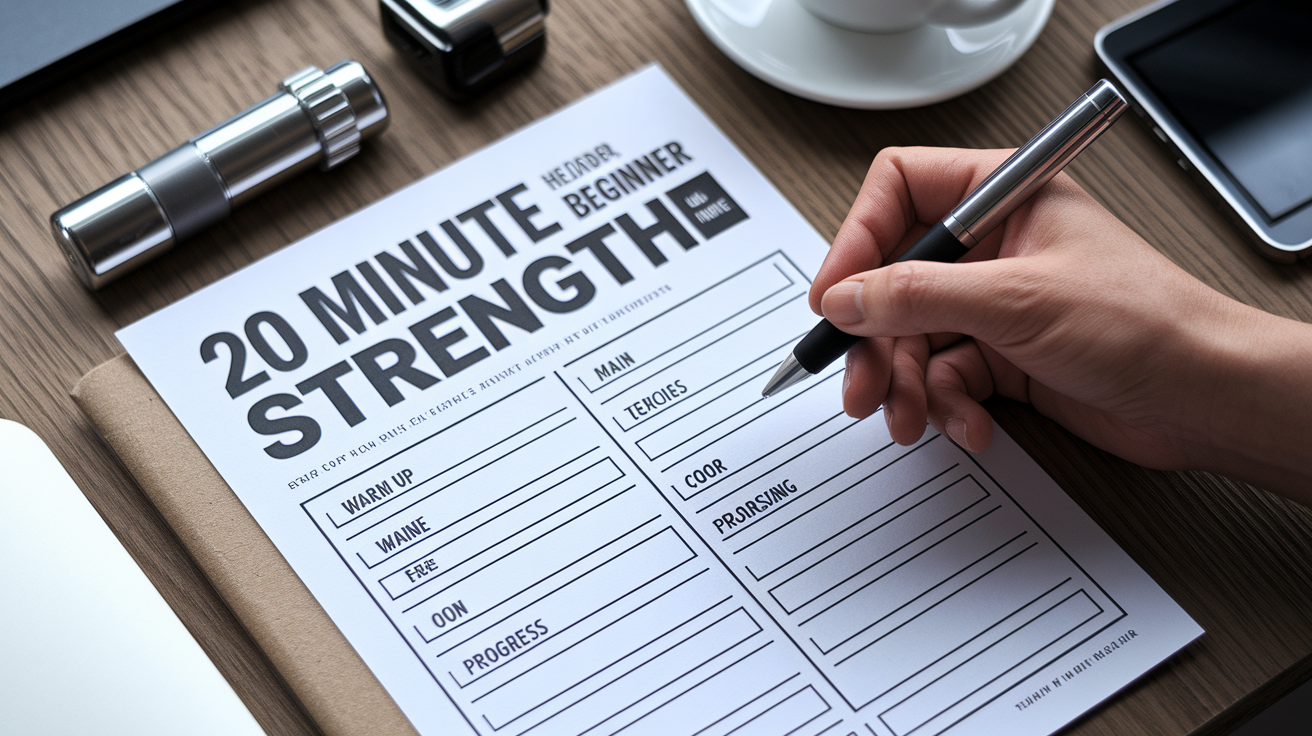
A one-page printable chart keeps the session visible and reduces decision fatigue. You can tape it to a wall, prop it on your phone, or keep it in a workout journal so you always know what’s next without scrolling or searching.
Your chart should include these six elements:
Session overview: “20-Minute Beginner Strength, 5 min warm-up/cool-down + 15 min intervals (40s work / 20s rest).” Warm-up list: the five dynamic moves with durations. Leg swings 30s per side, brisk walk 60s, etc. Main exercise list: all 15 exercises in order with brief form cues. “Deadlift, hinge hips, flat back.” Equipment note: “5–25 lb dumbbells or bodyweight; use one pair or switch as needed.” Cool-down list: four stretches with hold times. Quad stretch 20–30s per leg, etc. Progress tracking box: blank rows for date, dumbbell weight used, and quick notes. “Felt strong,” “left shoulder tired,” etc.
Add small images or links to short form videos for each exercise if you have access to a demonstration library. Seeing the movement once makes form cues clearer, especially for hip hinges and overhead positions that feel unfamiliar at first. A visual reference also helps you check your own posture mid-session without stopping to search for instructions.
Final Words
Start with the 5-minute warm-up, then run the 15-minute 40/20 block—15 standing moves, 40 seconds on, 20 seconds off.
The no-repeat setup keeps the session fast and full-body, and all moves use dumbbells or bodyweight so you can do it at home or at the gym.
See the Exercise-by-Exercise Breakdown for form cues and easier swaps. This 20-minute strength routine for beginners with limited time builds strength, boosts energy, and fits into busy days—you’ll see steady progress if you keep at it.
FAQ
Q: What is the 20-minute strength routine structure?
A: The 20-minute strength routine uses about 5 minutes total for warm-up and cool-down, plus a 15-minute interval block of 15 single-set exercises done in a 40 seconds work / 20 seconds rest format.
Q: How does the 40/20 interval block work with no-repeat exercises?
A: The 40/20 interval block means you do one move for 40 seconds, rest 20, then switch to the next move — 15 different exercises, no repeats, keeping the pace steady and simple to follow.
Q: What equipment do I need for the routine?
A: The routine needs either dumbbells (5–25 lb range) or just bodyweight, so you can do every exercise standing with light-to-moderate weights or swap to no-equipment alternatives.
Q: What quick warm-up should I do before the 15-minute block?
A: The warm-up should be 3–5 minutes of low-impact cardio, leg swings, glute activation, arm circles, and dynamic lunges to raise heart rate and prime movement for the 40/20 block.
Q: Which exercises are included in the 20-minute routine?
A: The routine includes standing full-body moves like deadlifts, wide squats, reverse lunges, shoulder presses, back rows, bicep curls, tricep extensions, chest presses, and light core engagement during moves.
Q: How do I choose weights and scale the exercises?
A: Choose a weight you can control for 40 seconds with good form; lower the weight or use bodyweight if form breaks. Progress by adding weight, reps, or harder variations slowly.
Q: How often should I do the routine and when should I progress?
A: You should do the routine 3–5 times per week; progress when sessions feel easier by adding weight, increasing tempo slightly, choosing harder variations, or adding an extra session.
Q: What joint-friendly modifications can I use if something hurts?
A: Use split squats instead of reverse lunges, lighter range-of-motion, neutral-grip presses, or swap standing moves to slower step-ups; pick versions that remove pain while keeping movement.
Q: What cool-down should I finish the session with?
A: Finish with 2–5 minutes of gentle stretches and mobility: hamstring stretch, quad/hip flexor stretch, chest opener, and slow breathing to lower heart rate and ease tightness.
Q: What benefits can I expect and is this routine beginner-friendly?
A: The routine builds full-body strength, improves conditioning, and fits busy schedules; it’s beginner-friendly with light weights, simple cues, and easy progressions you can use right away.
Q: What simple metrics should I track to measure progress?
A: Track weight used, how many rounds completed, perceived effort (RPE), reps per interval when possible, and session frequency to see steady, measurable progress.
Q: Is this routine safe if I have an injury or health condition?
A: If you have an injury, chronic pain, or medical condition, check with your clinician first; otherwise start light, focus on form, and stop any move that causes sharp or worsening pain.